×
×

Sign in to your account

×

Log Out of your Account?

This will log you out on all of your devices.


× Collective Change Opportunities Resources Sign In
Uganda Ebola Outbreak Response
Fund Manager: Cohere
£595
Raised on Reframe
5
Partners

On 20th September 2022, the Ugandan Ministry of Health confirmed an outbreak of the Ebola Virus Disease (EVD) in Mubende District in Central Uganda. So far, the outbreak is reported to have killed 55 people of the 140 cumulative confirmed cases. The virus has now spread across the country, including cases and one death being reported in the country’s capital, Kampala. With an incubation period ranging from two to 21 days, and currently no tested vaccine for this Sudan strain of the virus, this deadly disease poses a very real threat to Ugandans and refugees across the country. President Museveni has announced a three-week lockdown in the districts of Mubende and Kassanda, including strict curfews and for public spaces including churches, gyms and bars to remain closed. Cohere partners with a number of refugee-led organisations in these affected areas, including Tomorrow Vijana in Rwamwanja and YIDA and YARID in Kyaka, amongst others. These organisations will play a critical role in the coming months to protect and sensitise their communities, and helping them implement mitigating measures to stop the spread of the deadly virus. They need our support to do this as soon as possible. By donating to this pooled-fund you will be supporting these organisations as they run communications campaigns and awareness raising activities in their communities. By activating these initiatives quickly, they could save thousands of peoples’ lives, and prevent another devastating epidemic in a country that has not yet recovered from the impact of COVID-19. We must act quickly.

Will you support them? DONATE
By donating through our platform Reframe you can ensure that your money will directly reach the people who need it most. Refugee-led organisations are the first and last line of defence for their communities. When they lead, their responses tend to be more efficient, effective and sustainable. We’ve learnt this time and time again. By transferring the power and the money to them, they can transform their communities. Please support them today.

Blogs

images not found
Chrissie August 1, 2020

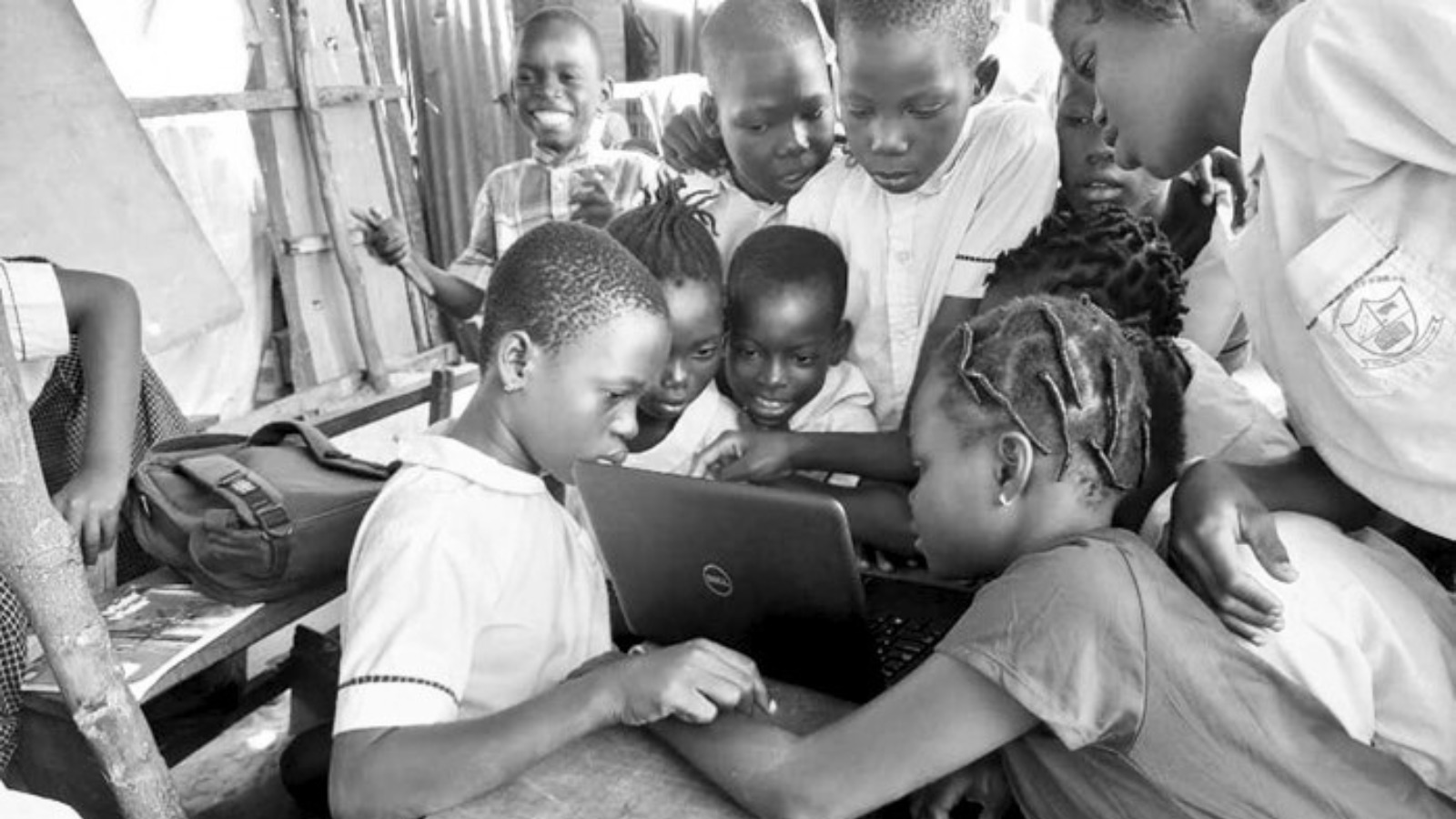
      Jasmine Asekome, founder of Caring Hands Empowerment Foundation in Nigeria talks about how her own childhood experiences that led her to find a community-based organisation supporting displaced children through education By Jasmine Asekome   This story is part of the co-branded story series, 'Rewriting the Narrative: Stories of & from Refugee & Community-Led Initiatives' a collaborative effort between  Samuel Hall, Youth Voices Community, Cohere, and Reframe Network. Members of various Refugee-Led and community-led Organisations part of the Reframe Network underwent an introductory training in storytelling and advocacy. They were then invited to share their personal narratives, capturing their journey, work, and the lasting impact of their initiatives. This collaboration aims not only to spotlight their incredible work but also to empower them with the skills to share their own stories effectively, fostering greater support, funding, and opportunities for their vital work. TW: Abuse, Domestic Violence From 1992 to 1998, my family and I moved to six different states and communities in Nigeria, in the Northern, Southern, and Western parts of the country. I remember a time when I was four years old in Kogi State, and my mother told me that we were moving to a new place. We lived in a small room with a rusted, old zinc bathroom located outside our building. Other tenants shared the bathroom with us as well. The language was challenging, but I managed to learn some of it because we were occasionally taught certain subjects in the native language. Shortly after that, we moved south, to our village. We had lived in Edo State previously with my maternal grandparents in Ekpoma, where I had attended three different nursery schools. This time, we found ourselves in my paternal grandmother's hut. It felt like someone had pressed a reset button, again. We had to learn everything about this new place - the culture, language, and people were different. We moved so frequently that the idea of home became lost on me. Being a new student was always difficult, I was constantly at the mercy of older students. The schools were understaffed, the teachers did not take bullying, mental health  and adjustments to change seriously, unless a child was bleeding or needed visible medical attention. Proof of a child fainting or suffering a severe injury was required. I also experienced terror at home, with my father violently abusing my mother until she bled and physically harming me to the point of urination or nosebleeds whenever he was around. The constant bullying in school and violence at home kept driving me into a shell. In an attempt to escape the constant domestic violence; my mother, my two younger brothers, and I made our final move to Ekpoma to live with my maternal grandparents. I was eight years old when we arrived. Education - A Constant Amidst Displacement For a long time, I didn't feel safe, welcome, or wanted in the new communities I joined. I didn't make many friends at school, more out of fear than preference. The ones I did have adopted me, and I went along with it. As soon as I started adapting to one place, we had to move again. As far as I was concerned, we had no home, given how often we moved and the places we had to stay in, such as unfinished buildings, a church, the floor of someone's kitchen, and mud beds. In total, I attended over 13 schools, 10 of which were primary schools. Discrimination and bullying were constant. All of this made me feel like I had to work five times harder to be seen, acknowledged, and accepted for who I was. It made me feel disconnected from my immediate environment. They had to build a supportive environment within their family unit, led by her mother: Education was important to my family. My mother was an avid reader, and she often helped me with my English homework, improving my language skills and knowledge. These after-school sessions with my mom not only improved my academic performance but also taught me the importance of being respectful. She taught me how to use the power of my imagination to adapt to new situations;  by drawing about my happy place and envisioning my future self. As I grew older and graduated from university, I realised that I wanted to help children who had experienced displacement, migration, or sought asylum, just like I had. I understood what it took to start over again and again as a child. I knew the impact of help and support from both strangers and familiar people. This understanding inspired me to establish the Caring Hands Empowerment Foundation in 2020. Caring Hands For A Confident Future Based in Lagos, the Caring Hands Empowerment Foundation is a nonprofit organisation that assists refugee and migrant children through sustainable educational support programs. Our journey began amidst the challenges posed by the COVID-19 pandemic in 2020 when we initiated our efforts by distributing essential food supplies to displaced families in Lagos, as well as to refugee communities in Uganda and Kenya. These initiatives were kick-started by a birthday fundraiser I organised for my 30th birthday, which, despite the economic hardships brought on by the pandemic, managed to raise $300. Each of these countries received $100, which was used to provide assistance we could to families living in settlements and camps. By July of that year, I faced another setback when my former employer did not renew my contract due to pandemic-related circumstances. This abrupt change in my financial situation put the organisation's activities on hold temporarily as I sought a stable income and continued to learn valuable lessons in nonprofit management. After a five-month hiatus, we slowly resumed operations in February 2021, with my funds sustaining the organisation until we secured our first non-financial partnership in 2022. This partnership was formed with a Nigerian company that generously provided storybooks and toys for our beneficiaries. Furthermore, we became beneficiaries by participating in Cohere's capacity-strengthening and knowledge-sharing course program. Currently, we work with volunteers, providing them with stipends for 6-9 month commitments, depending on available funds. Scaling Impact  Our initial efforts focused on assisting 65 refugee and internally displaced children in a Lagos Island community who attended different schools. We conducted outreach activities within their residential area. Since May 2022, we've expanded our educational support to 199 migrant children attending a community school in the Ajah and Ikorodu areas of Lagos. When we first met these children, over half of them couldn't speak English fluently, and they often had to share notebooks due to limited materials. Many of them wore mismatched or worn-out slippers to school. Through the foundation, I strive to ensure that the children we support through our educational programs are equipped with not just knowledge, but also confidence. This would enable them to continue their education seamlessly, even in the face of potential barriers from future displacements.  Now in our third year of operation, we have supported over 543 children, including refugees, migrants, and internally displaced individuals. In addition to our educational support, we distributed "Love packs" filled with biscuits, popcorn, sweets, crayons, colouring books, cupcakes, and juice during holidays from 2020 to 2022. When we began offering educational assistance to migrant children, there were three girls who stood out to us. They displayed a genuine passion for learning and socialising with their peers. However, during one of my visits to the school in November last year, I noticed a significant drop in attendance. Nearly 53% of the students were absent that day, including two of these girls. The third girl, who attended that day, explained that she alternated school days with her siblings due to her parents' inability to afford their fees, allowing her to attend school only twice a week. The other two girls, along with the absent children, needed to catch up on fee payments, which forced them to miss school and likely assist their parents or guardians in local businesses like the smoked fish trade or petty trading. The head teacher mentioned that this often led to the children missing exams and having to repeat their grades. Upon discovering this, I reported the situation to our team, and we conducted an emergency fundraiser. We secured funds to cover the school fees of 15 deserving children, including our three girls, selected based on their academic performance. They completed their first-term exams. However, concerns arose about sustaining this support to ensure uninterrupted academic progress. By April 2023, thanks to Cohere's grant, we could cover the school fees for 35 children for an entire year, including the 15 from the previous year. This enabled them to enjoy uninterrupted learning and avoid repeating grades. During their end-of-year celebration, the girls confidently presented in English, thrilled to have passed and been promoted to the next grade. In partnership with Cohere in 2023, we have provided educational materials to 299 children, granted one-year scholarships to 35 children, distributed school shoes to 120 children, and donated three laptops to our beneficiary school to launch a Computer Studies class for the children.  Previously, 40% to 55% of the children often missed classes and examinations, resulting in grade repetition, but we have seen an incredible improvement since the implementation of our Back-to-Class project, with teachers reporting attendance rates of 85% to 90%. The children now feel loved, accepted, acknowledged, and welcome. This was the impact I aimed to achieve when we began, as I understand how consistent support can encourage and enhance learning. I, too, faced challenges in the past, lacking confidence and struggling with my English language skills and education. Today, I have participated in policy dialogues, panel discussions, advocacy workshops, and conferences. Now, I have the opportunity to instil that same confidence in the children supported by the Caring Hands Empowerment Foundation.   Sustaining Impact With Care Currently, our most significant challenge lies ahead in securing the necessary funding and resources and building sustainable partnerships.  These resources are critical not only for sustaining our current efforts but also for building a dedicated team that can help us expand our impact as we deepen our connection with our beneficiaries. Our long-term objective is to establish a dedicated space where children can engage in weekend sessions to enhance their learning across various subjects, discover and nurture their interests in extracurricular activities, and work towards achieving their goals.  We want to create a home where they can express themselves, learn, grow, develop and visualise their dreams. To build that home, we need all the support we can get.  

Read More
images not found
Chrissie August 1, 2020

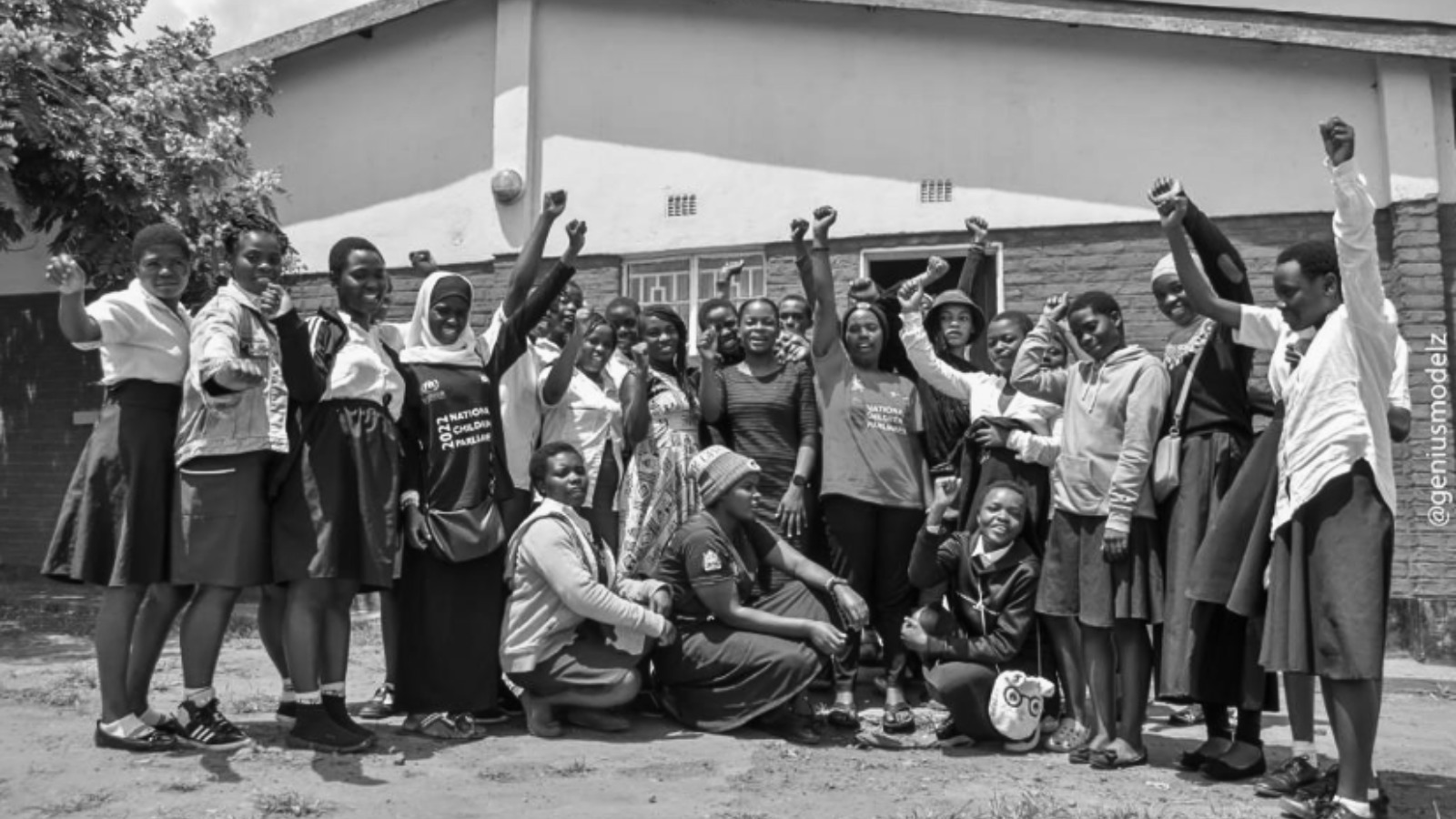
Divine Mugisha, founder of the refugee-led Supportive Pillar Organisation talks about her own hurdles in accessing education in Dzaleka Refugee Camp in Malawi that motivated  her to help children in need accessing  through the power of storytelling to garner support.  By Divine Mugisha This story is part of the co-branded story series, ‘Rewriting the Narrative: Stories of & from Refugee & Community-Led Initiatives’ a collaborative effort between Samuel Hall, Youth Voices Community, Cohere, and Reframe Network. Members of various Refugee-Led and community-led Organisations part of the Reframe Network underwent an introductory training in storytelling and advocacy. They were then invited to share their personal narratives, capturing their journey, work, and the lasting impact of their initiatives. This collaboration aims not only to spotlight their incredible work but also to empower them with the skills to share their own stories effectively, fostering greater support, funding, and opportunities for their vital work.     My name is Divine Mugisha, and I am a 20-year-old on a mission. My roots trace back to the Dzaleka Refugee Camp in Malawi, and currently, I am pursuing my university education at the United States International University in Kenya. I proudly serve as the founder and executive director of the Supportive Pillar Organisation (SPO), a refugee-led organisation dedicated to enhancing the living conditions of refugees and underprivileged Malawians through improved access to education. Since our inception in 2021, SPO has made remarkable progress in fulfilling its mission. As of September 2023, we have facilitated the education of 41 students, conducted two impactful mentorship workshops, and provided essential school materials to 9 students. While I acknowledge that education does not guarantee instant success; for refugees and disadvantaged Malawians without the luxury of well-off parents, education becomes a crucial asset in securing a brighter future. This is why we remain unwavering in our commitment to supporting the most vulnerable students, ensuring their return to school, even if they must drop out due to financial hardships. My dream is to create a better world for young individuals who live in extreme poverty, individuals who harbour dreams and aspirations. I firmly believe that no one is destined to suffer; often, it's a matter of luck and circumstances that can turn life into a nightmare. My early life was like that, too! An Uphill Battle For Education Growing up in a refugee camp, I faced numerous challenges in accessing quality education. I completed both primary and secondary schooling within those same camp walls. The classroom environment left much to be desired, with overcrowded rooms and teachers needing more enthusiasm for educating refugees. I found it challenging to absorb much from these classes. Navigating the education system while handling household chores as a girl child was particularly tough. I had to rise as early as 2 a.m. to fetch water, followed by dishwashing and meal preparation before and after my classes. Despite these hardships, my determination to excel academically led me to carve out pockets of time for studying. I read while cooking while peeling potatoes, and even 30 minutes before embarking on my early morning water-fetching routine.  After 12 years, I completed my secondary education, ranking second in my school. It felt like I had achieved the highest position, even though my English grade was subpar. My parents could not afford to fund my education further, so I decided to pursue scholarship opportunities.  One such opportunity came from an international organisation. I completed the application process. However, I faltered during the interviews when I couldn't provide the "personal reasons for leaving my home country", despite clearly stating that I had left when I was just nine months old. Although my application was unsuccessful with the rejection note - "Apply again only when you have a different story" – it planted a seed of hope in me.  That's when I decided to take control of my own life. I understood that circumstances should not determine who I would become but who I could be. I reevaluated my vision, considering how I could lead a fulfilling life even within the confines of the refugee camp. It was then that I recognised my passion for helping others, extending beyond the mere tasks of daily life. Whether it was taking care of my friends, willingly tackling house chores even when they interfered with my education, tutoring my peers, teaching computer studies on Saturdays, or advocating for refugee rights in child parliament sessions—it was all driven by a desire to make a difference. I decided to co-found the Supportive Pillar Organisation with a like-minded friend. During this time, I learned about the Mastercard Foundation Scholars Program and decided to apply. Thanks to my strong background in volunteering and leadership roles, I was selected to study at the United States International University Africa in Nairobi, Kenya. The feeling of finally securing a scholarship to leave the camp and embark on a journey to become a leader was beyond words.  However, as my excitement and aspirations soared, I encountered another challenge—the immigration office denied me a Conventional Travel Document (CTD). Months passed, and my situation remained unchanged. I visited the immigration office daily, even when the response was consistently negative. The more I tried, the more disheartening the situation became. I was shattered, but I refused to let depression define my future. I sought therapy and started taking antidepressants. This period taught me the virtues of persistence and tenacity - and finally in 2022, I was able to travel to Kenya to pursue my studies.  Today, education has transformed my life. I've transitioned from a girl with tattered uniforms to someone who can afford branded clothing. The escape from poverty and the ability to envision a life where I could meet my basic needs kept me going and allowed me to conquer adversity. Stories that Inspire Support: The Impact of the Supportive Pillar Organisation (SPO) Having a brilliant idea and effortlessly securing support was a mere illusion. Some may start with grants or big donors, but for others, it begins with doing what they love and believe in—Supportive Pillar Organisation. The journey of SPO commenced with two financially challenged young individuals. Initially, we believed applying for grants online would resolve all our financial challenges. Our projects depended on funding, and failing to pay our students' school fees would force them to return home, potentially forcing them out of school.  We also tried reaching out to people abroad to secure assistance, but unfortunately, most read our messages and then stopped responding. So, we began sharing the stories of these young individuals facing severe hardships, but our social media posts often needed more attention. We persisted, even though financial stability remained elusive - our passion kept us going.  We continued sharing our stories and gradually realised the power of storytelling. Given our limited resources, we couldn't single-handedly change lives, but we could advocate through stories. Stories have the power to connect potential sponsors with those in need. They convey reality and emotions, crucial in influencing decisions on who, what, where, and how to help.  I discovered two types of donors—those who initially want to engage in charity projects but need the right opportunity and those who are deeply moved by a specific story and are compelled to help, sometimes even convincing others to join the cause. Stories don't just bring sponsors; they also raise awareness about the issues surrounding a particular place and its people. As in life, no single organisation or individual can bring about comprehensive change. Various initiatives can address different aspects of a problem. For instance, while SPO focuses on secondary education, another organisation might support tertiary education or provide psychosocial assistance. This is why when telling stories, it's essential to depict the whole situation, making people aware of the overall context and then calling them to action to support your initiative. Through these efforts, we garnered support, and today, we assist more than 30 students, with an additional six having completed their secondary education and awaiting university transitions. We support students from all three regions of Malawi, including refugees in the North, Central, and South.  Furthermore, we are actively working on establishing a boarding school to offer a nurturing and conducive learning environment with high-quality education. This will enhance the academic performance of our students who currently attend public schools with subpar educational quality. This journey has taught me that greater things await those who persevere. By holding onto our dreams and aspirations, we can genuinely make a difference in the lives of those we aim to uplift. Dive into a quick visual journey of SPO: The Journey of SPO in Photos:    

Read More
images not found
Chrissie August 1, 2020

At the crossroads of climate justice, skills development, and women's empowerment, Resilience Action International is crafting sustainable solutions for a greener environment and a brighter tomorrow. Gloria Mairura, RAI's Business Development and Communications Manager, interviews two programme participants to understand their impact and their message to the world. By Gloria Mairura This story is part of the co-branded story series, 'Rewriting the Narrative: Stories of & from Refugee and Community-Led Initiatives' a collaborative effort between Samuel Hall, Youth Voices Community, Cohere, and Reframe Network. Members of various Refugee and Community Led Organisations (RLOs) participating in the Reframe Network underwent an introductory training in storytelling and advocacy. They were then invited to share their personal narratives, capturing their journey, work, and the lasting impact of their initiatives. This collaboration aims not only to spotlight them but also to empower them with the skills to share their own stories effectively, fostering greater support, funding, and opportunities for their vital work. This story highlights one RLO’s work in Kakuma, Kenya on climate change - Samuel Hall seeks to elevate their voice and connect them to those who can support them in amplifying their social impact.     Climate migration has been and continues to be a significant factor contributing to migration in East Africa. Several young refugees recount experiences of climate-related migration as their first reason for leaving their homes.  This phenomenon also applies to those already within the camp, who find themselves displaced for a second or subsequent time within the camp, primarily due to natural disasters, such as flash floods or powerful winds in the Kakuma region. People here often struggle to make a living in ways that are different from what they were used to in their home countries. This challenge is particularly pronounced for those who previously worked as farmers, pastoralists, or fishermen and have had to adapt to life in hot and arid regions like the Turkana county - where Kakuma Refugee camp is located.  In an effort to resolve some of these issues, in 2010, Muzabel Welongo, a refugee from the Democratic Republic of Congo, established Resilience Action International (RAI) in Kakuma, Kenya. Over the years, RAI has earned a reputation as a refugee-led organisation by focusing on enhancing the economic resilience of youth.  Kakuma's challenging environment, characterised by a semi-arid climate with temperatures averaging 40 degrees Celsius and an annual rainfall average of 200mm, underscores the need for environmental conservation and sustainable, eco-friendly economic activities. RAI's economic empowerment initiatives are crucial steps toward mitigating the impacts of climate migration within the displaced Kakuma community. To address the lack of access to clean energy for refugees not connected to the national electricity grid, RAI, through its subsidiary Okapi Green Ltd, is distributing solar power to homes and small businesses in Kakuma 3. This initiative aims to replace costly and environmentally damaging alternatives like candles, diesel generators, and charcoal. I have always believed that climate change is a serious yet an often overlooked issue as refugees and asylum seekers in Kakuma face many challenges due to the climate crisis, in addition to their existing vulnerability. Working with RAI has given me the opportunity to connect with brilliant refugee youths and learn more about displacement first-hand. To assess and document their own influence, I, on behalf of RAI, engaged in conversations with two people from the camp to explore their personal journeys; the effect RAI has had on their lives and how they think international organisations can support community-led initiatives of green transition. Local Solutions For Global Problems: Interview with Ardiya -Ardiya (in a green Okapi shirt) demonstrating to learners how to operate a domestic solar kit in Kakuma 3 training centre. 27-year-old Aridya arrived in Kakuma in 2012 from Sudan. He currently works at Okapi Green Ltd as a Project Lead. Along with his teams, he provides training to youths in Kakuma refugee camp on operating and maintaining portable solar-powered kits for domestic use. Q1: Have you ever been forced to relocate due to extreme weather events? A: Yes, indeed. Part of the reason for our move to Kenya was the mudslides and frequent flooding in the lowland area of Sarbuye in Sudan. This area was known for its plantations and fruit trees but was prone to flooding due to rivers and streams that overflowed in rainy seasons. Villagers had to relocate to the higher hill region of Nuba Mountains to escape the devastation caused by mudslides and flooding on their livestock and animals. Following the mudslides, there was often a period of starvation as food crops and most domestic animals perished during the event or later due to hunger. At one point, even the village chief advised families to move out of the valley. Q2: How did this experience shape your life in Kakuma? A: Upon arriving at Kakuma refugee camp, we were allocated a piece of land in Kakuma 1, close to a seasonal stream that divided the camp. This larger stream collected rainwater from nearby secondary schools and the two smaller streams, causing flooding and impassable paths during heavy rains. In 2015, we moved to Kakuma 3 with the help of our block leader and camp authorities. I have adapted to the hot and dry climate in Kakuma, but I still struggle with the strong, dusty winds that can blow away roofs. I've seen neighbours lose their 'mabati' homes to these winds in Kalobeyei. Others have had to rebuild their brick houses after heavy downpours in the camp. We don't have many relocation options, so we have to manage as best as we can. Q3: How did you get involved with RAI and Okpai Green? A: I became aware of RAI, through public posters and colleagues who worked there. I was in high school at the time and would pass by the RAI centre in Kakuma 2 to visit friends. Additionally, I worked as a facilitator for RAI on a five-month project in 2022 before applying for a job with Okapi Green Ltd in 2023. I chose Okapi Green Ltd because its mission and vision aligned with my passion. I hold a bachelor's degree in Education in Mathematics and Physics from Kenyatta University, and Okapi had the right job for me. Furthermore, I have the opportunity to facilitate workshops and witness physics in action through solar power technology. It's remarkable how simple technology can generate significant power without harming the environment. Q4: How has RAI influenced your thoughts on Climate Migration? A: Working with Okapi Green Ltd,  to promote the use of renewable energy in homes and small businesses has shown me how ordinary people can access clean and natural power. It's my hope that I can apply this knowledge back in Sudan, where we could harness floodwaters to generate power, much like we've harnessed the sunny weather in Kakuma for a positive purpose. Additionally, I'm interested in pursuing a master's degree in  natural sciences in the near future. I've come to believe that both for-profit and nonprofit organisations should adopt environmentally friendly strategies and structures in their activities to reduce harm and protect the environment in the areas where they operate. "Youths are the drivers of change. It's up to us to be creative in adopting and developing conservation measures that protect the environment and our homes." Q5: What efforts do you see the refugee communities and RLOs making in the camp around climate change and mobility and how can the international community support them? I have seen local organisations within Kakuma refugee camp working with the National Council of Churches of Kenya (NCCK) to assist people affected by strong winds and flooding in the camp to build sturdy shelters that can withstand extreme winds and heavy rainfall without disintegrating or leaking. Furthermore,  RLOs are collaborating with small self-help groups and communities affected by flooding and impassable roads. They are working together to dig ditches that divert flood water away from residences, preventing the need for repeat relocations each time the rainy season begins. Refugee communities in Kakuma 3 are exploring and adopting renewable energy technologies from local CBOs, such as solar power from Okapi Green Energy Ltd. By doing this, we hope to reduce reliance on non renewable fuels such as candles, kerosene, and charcoal by refugee locals at home and in their shops. I think various organisations can help the refugee leaders with climate change. They can fund and teach youths necessary skills to implement and sustain climate projects in Kakuma. It's a good idea for them to work with RLOs for more grassroots level impact. After all, we're all working together towards the same goal, that is, to stay safe from climate changes." No Climate Justice Without Gender Equality: Interview with Sharlotte   (Sharlotte awarding her student in the reproductive health class with a certificate and sanitary towel wrapped in a brown envelope) Sharlotte Lotombo, a 23-year-old student currently pursuing a Bachelor of Arts degree at Kenyatta University in Nairobi arrived in Kenya in 2010 with her family. They had fled the Democratic Republic of Congo due to civil unrest and challenging living conditions. Sharlotte joined RAI as a volunteer after completing high school in 2022. Later that year, she transitioned to a staff role facilitating Sexual and Reproductive Health due to her outstanding work performance in the department.  Q1 Have you ever had to move because of extreme weather events? Yes, indeed. In DR Congo, we lived in Baraka Province near a river. Heavy rains came after several months of drought, causing floods in our village. Along with our neighbours, we had to move to higher ground because our house was flooded, and some villagers lost their possessions and crops. I kept in touch with some neighbours and learned that some had migrated to neighbouring countries. The flooding destroyed crops and granaries, and many farm animals drowned. Survivors faced food shortages and starvation, both for themselves and their animals. Q2: How did this experience affect your life in Kakuma? I remember Baraka Province being lush and green, a stark contrast to Kakuma, which is dry and windy year-round. DR Congo is a very green country, so moving here was quite different. In 2010, Kakuma had few trees, especially in the camp, so we felt the full force of the sun and wind.  However,  Kakuma has changed since I arrived. The camp has more trees and shrubs due to tree-planting initiatives led by the refugee community and non-profits. This gives us shade and helps us escape the hot weather. Q3: What made you choose RAI for your personal and career development? I first heard about RAI in 2016. They ran a Youth Reproductive Health program at my primary school, and I joined it. I was trained to be a peer educator when I was in class 7.  RAI's sexual and reproductive health (SRH) program helped me complete my basic education. It taught me about abstinence, self-confidence, and self-understanding as an adolescent. I realised that my life is in my hands, and I have the power to influence it. My strong connection with RAI deepened when its founder, Muzabel Welongo, visited my home in 2016, spoke with my mother, and convinced her to let me join the SRH program and become a peer educator.  In 2022, I volunteered with RAI for three months after high school and worked as a Youth Reproductive Health facilitator for another five months. RAI opened my eyes to new career and education opportunities beyond the camp and gave me a deeper understanding of the refugee community and human rights. Q4: How has RAI influenced your thoughts on Climate Migration? RAI has shown me how climate change and women empowerment are connected. I learned that women have more difficulties in coping with and migrating from climate disasters, due to their heavy childcare responsibilities and limited resources. They also face more legal, social, and physical risks when they are displaced by floods or droughts.  Therefore, RAI’s sexual education and community campaigns are vital for young women and girls. They teach them their rights, and how to protect themselves and their children in times of crisis. RAI sexual and reproductive health and vocational education keeps girls in school which exposes them to climate action programs such as environmental clubs and leadership labs. This way, they can become future champions in fighting climate change alongside women’s rights. My experience with RAI encouraged me to think creatively and understand that creating a positive impact in society is a collective effort, not an individual one. I believe that global warming, worsened by increased carbon emissions, especially in towns and industrial areas, has contributed to the unpredictable weather patterns we experience today. People should collaborate to plant trees and care for the environment, ensuring a better future where no one is forced to leave their homes. “I believe you can plant a tree but if you don't take good care of the tree, it will die. On the other hand, if you plant  a tree and take care of it, it will grow. That is what we as youths, should do.’’ Q5: What efforts do you see the refugee communities and RLOs making in the camp around climate change and mobility and how can the international community support them? The community has been taking  various efforts of planting trees in homesteads, next to kiosks or in eateries to keep the area cool, and break strong winds notorious for demolishing rooftops. Some of the tree seedlings come from local CBOs that have nurseries within the area. Also, the RLOs here help us in harvesting rainwater in the dry seasons by training families and kitchen garden owners on the skills and tools needed to make this possible. They have taught us how deforestation can harm us and our environment, and how we can grow crops and trees that prevent soil erosion and keep the river’s tributaries banks from expanding. The international community can support RLOs by working together with them to carry out the ongoing projects in the camp. Great work is being done  by refugees, but local initiatives lack the financial muscle to boost the projects. I believe foreigners can benefit and learn from us by working with RLOs’  

Read More
images not found
Chrissie August 1, 2020

Andias and Angela - both refugees in Kenya - team up to discuss the importance of localised mentorship for girls. By McCreadie Andias, Communications Manager, Nawezaa   This story is part of the co-branded story series, 'Rewriting the Narrative: Stories of & from Refugee and Community-Led Initiatives' a collaborative effort between Samuel Hall, Youth Voices Community, Cohere, and Reframe Initiative. Members of various Refugee-Led Organisations (RLOs) participating in the Reframe Initiative underwent an introductory training in storytelling and advocacy. They were then invited to share their personal narratives, capturing their journey, work, and the lasting impact of their initiatives. This collaboration aims not only to spotlight their incredible work but also to empower them with the skills to share their own stories effectively, fostering greater support, funding, and opportunities for their vital work. This story highlights one RLO’s work in Nairobi on mentorship - Samuel Hall seeks to elevate their voice and connect them to those who can support them in amplifying their social impact. Twenty years ago, Angela Jean left her home in the Democratic Republic of Congo (DRC)  as a baby - with no understanding of her sudden transition or what destiny awaited hert. Her father had gone ahead to Kenya in 2003, striving to find a safe place for his family amidst the escalating civil unrest in the DRC, which, according to UNHCR, had compelled nearly 1 million people to flee their homes in search of safety. When they reunited in Kenya, life was challenging, with obstacles such as renting and adapting to the new surroundings. Even the Congolese accent felt like a burden. "Congolese have that accent that, when they speak Swahili, you immediately know they don't belong here." For Angela, who lives with her parents at Kabiria, a small village in Nairobi, this accent was like a ticket to estrangement.  However, life began to find a semblance of normalcy when she enrolled at Ngong Forest Primary School in Nairobi. She started her education hoping to reshape the future of her family and community. Angela recalls that at Ngong Forest Primary School, where she and her brother were students, nobody knew of their refugee status at first. Her peers and even the teachers treated her just like any other Kenyan student simply because they were unaware of her background. "Everything changed in class six when my dad visited our school for the first time. That visit revealed to my teachers and classmates that we were not Kenyans," Angela shared.  Angela and her brother faced challenges. Their academic success sparked jealousy among some classmates, who felt overshadowed. "They seemed to think we had come to outdo them," Angela observed. She recalls a particularly difficult day in class six during a lesson on creation. "The teacher asked us to divide into groups based on our tribes. I was the only refugee in the class and found myself alone." Returning home in tears, Angela confided in her sister, "I don't want to return to that school. I don't feel like I belong there. I want to go home,” she said, questioning if being a refugee was a crime. This incident deeply affected Angela, leading to depression and impacting her remaining time at primary school. When the Kenya Certificate of Primary Education (KCPE) exams approached, an unexpected hurdle arose. Although the KCPE exams, marking the transition from primary to high school, are typically free for every pupil regardless of tribe or origin, Angela was asked to bring 800 shillings to sit for the exams because of her refugee status. When Angela inquired about this charge, the head teacher bluntly asked, "Did I ask you to become a refugee?" Angela feels that this remark made her fail her exams.  Despite her challenges, a still bright and determined Angela eventually progressed to high school, aspiring to become a doctor. Throughout her high school journey, Angela attended three different schools. The first two provided relief, as they had many refugee students from Somalia, Ethiopia, and Burundi. This environment made her feel more secure, surrounded by individuals with whom she shared similar backgrounds and stories. "It has been tough being a refugee, it made me into a liar" Angela's experience at her third high school was particularly challenging, especially during business classes. "How is the Congolese currency?" her teacher would jokingly ask another Congolese student, sparking laughter and mockery in the classroom. Interestingly, most students and teachers at this school were unaware of her refugee status. They assumed she was from the Kikuyu tribe of Kenya, as she spoke the language fluently, having spent 19 years in the country. However, Angela still felt deep sadness and empathy when her fellow Congolese were ridiculed in class.  To cope with this environment, Angela found herself concealing her true nationality."I used to tell my classmates that I'm Tanzanian. I had to hide my origin," she reveals. After completing high school, Angela joined Refushe, an organisation dedicated to empowering refugee girls. This period of her life was particularly challenging, as she was the sole provider of her family. "My dad was working as a senior pastor at an ACK church. He had a stark choice: work under a Kenyan or resign. Feeling disgraced, he left the job.” Angela, already burdened by failed relationships and family struggles, found herself grappling with deep depression. She felt like an empty shell, struggling to find something to hold onto. "I felt like nobody wanted me or my family," she expressed. The combined weight of her father losing his job, her family's dire situation, and her own experiences of alienation drove her to a point where she contemplated ending her life. With pills in hand, ready to give up, she paused to consider the impact on her family: "What would my parents think of me? Would this solve our problems?" It was her strong relationship with her father that proved pivotal. Turning to him in her despair, he offered perspective and support. "Life has been tough since Congo," he reminded her. Her father then shared that her mother had suffered five miscarriages while they were fleeing the civil war in the DRC. This insight into her family's resilience in adversity was sobering. "One day, we will fight for our country, and we won't have to be called refugees anymore," her father encouraged her. Yet, Angela couldn't help but wonder when that day would come. An (Unsustainable) Opportunity At that time, the International Rescue Committee (IRC) was offering startup funding for businesses run by refugees. Angela, who had previously believed that refugees were solely dependent on aid, eagerly seized this opportunity. Although, her initial application was rejected, weeks later, she was recalled by the IRC and granted Ksh 56,000 for her business startup. Angela used Ksh 30,000 of this funding to pay off her father's debts. She also realised she had to change her plans: local government regulations prevented refugees from obtaining business permits, barring her from running a business freely.  With the remaining Ksh 26,000, Angela ventured into an online business, shipping clothes abroad. This endeavour ultimately failed due to insufficient capital for stocking inventory, bringing her family's financial situation back to square one. Angela addresses a common misconception within the host community: the belief that refugees are financially well-off. She explains how the local population often assumes that refugees have substantial funds, believing they receive significant financial support from the UNHCR and other organisations. Moreover, she points out that refugees often face even more significant challenges, as they typically lack formal and sustainable sources of livelihood, making their financial struggles more pronounced. On the contrary, Angela believes that refugees living in urban areas are not receiving adequate support from the UNHCR, feeling that the focus is disproportionately on those in refugee camps. She asserts that this leaves urban refugees feeling abandoned and segregated. Dwindling Hopes for the Future When asked if there is real hope for her future, Angela can't help but feel a tinge of sadness. This stems from her perception of limited prospects for growth and achieving her dreams. Angela contemplates that if an opportunity to work abroad and support her family doesn't materialise, she might consider marrying a Kenyan.  But why a Kenyan, specifically? Angela's reasoning is deeply rooted in cultural dynamics. She understands that in many African cultures, the children of a mixed-tribe couple are typically identified with the father's tribe. Therefore, Angela hopes to secure a Kenyan nationality for her future children by marrying a Kenyan citizen. This, she believes, would spare them from the  rejection, mockery,  exclusion, and abuse she endured due to her refugee status and her mother's origins. Angela's story resonates with thousands of other refugee girls who have endured similar hardships.. They often lack mentorship to overcome stigma and depression, and require guidance to handle the heavy and early responsibilities thrust upon them. Nawezaa - Localising Support Through Mentorship Nawezaa is a youth-led refugee organisation established in Dagoretti, Nairobi. A Swahili word that means 'I Can,' Nawezaa inspires youths to believe in the possibility of achieving their dreams.  Established in 2020, Nawezaa is actively involved in various activities, including providing Sexual Reproductive Health training to empower refugee youths, writing and publishing inspiring stories about their experiences, and conducting media interviews to raise awareness about refugee projects. Additionally, Nawezaa offers sports mentorship through the 'Refugee United in Sports (RUIS)' Programme and engages in advocacy work to support and represent refugee interests effectively. It runs with a mission to give a voice to refugees and share their stories while empowering, guiding, supporting, and mentoring girls like Angela. Nawezaa's mentorship program is tailored to the needs of girls who have experienced the hardships of displacement. It addresses their needs through support and awareness for menstrual health, pad drive initiatives, and girl-talk sessions. These efforts aim to support, encourage, mentor, and guide young girls, helping them find hope, survival, and growth amidst their challenges. One of Nawezaa's initiatives, the sexual reproductive health training titled 'She-world', was conducted in April this year. It equipped participants, including Angela, with skills, ideas, and knowledge to address issues faced by refugee girls, often neglected due to barriers in local systems.  The three-day training impacted 300 girls with experiences of forced displacement. It covered a range of topics, including business startups, relationship and sexuality guidance, managing issues like early pregnancies and miscarriages, menstrual education, self-awareness, combating stigma in schools, and coping with home challenges. Angela shares that she gained invaluable experience from Nawezaa's She-world project. She had previously conflated contraceptives with family planning but now understands their differences. Reflecting on her mother's five miscarriages, she believes that increased awareness and knowledge of sexual and reproductive health could help reduce or prevent such incidents. Such support could mean Angela and others wouldn't feel resigned to marriage as their sole path to identity, survival, or mental well-being. Rather than viewing marriage to a citizen as the only option, mentorship can provide alternative avenues for empowerment and self-realisation. Initiatives like Nawezaa's can equip girls with the knowledge and tools to tackle their challenges and those affecting their families. However, Nawezaa faces operational and funding obstacles. The organisation lacks  a formal office setup, limiting engagements with potential partners, and is missing a primary funding source to secure their activities over the long term To fulfill the potential of Nawezaa, we are searching for partners to provide us with digital equipment such as laptops for writing and editing stories, podcast equipment for shows, capacity-building training to enhance staff expertise, partnerships for media engagements and projects, and funding to establish and maintain office space. As an organisation, we are committed to making the Angelas of the world feel loved, protected, cared for, and supported. This approach nurtures their individual growth and contributes to a more inclusive and empathetic society.  

Read More
images not found
Chrissie August 1, 2020

Children with Special Needs: Addressing Barriers to Education By YIDA Youth Initiative.   Children with special needs are often overlooked, which limits their access to education. They face persistent barriers stemming from discrimination, stigma, and an inability to participate fully in society. These challenges sometimes prevent children with special needs from attending school regularly, and some even drop out.   At YIDA Youth Initiative, we recognize the unique value of all children and focus on creating highly tailored learning environments that meet the diverse needs of all learners, regardless of their abilities or disabilities.   In our schools, Youth Initiative Kindergarten and Youth Initiative Primary School, we have various interventions designed to meet the unique learning needs of children with special needs. These interventions include building accessible infrastructure, such as classrooms and toilets with ramps, making them easily accessible to children with physical disabilities. Additionally, we collaborate with other organizations operating in Kyaka II Refugee Settlement, such as Finn Church Aid and Alight, by referring some cases of children with special needs to ensure they receive the full support required.   Notably, our teachers are continuously supported with professional development programs to ensure that teaching strategies are both inclusive and impactful, catering to each learner's unique style. Through the child-friendly space at our Early Childhood Development Center, Youth Initiative Kindergarten provides a safe environment for our students and those from the community to participate in supervised, structured play activities. This has promoted social skills and reduced cases of discrimination and isolation among children with special needs. Our school leaders and teachers have established open communication with parents of children with special needs through weekly community visits, helping them better understand these children's strengths and weaknesses.   Despite our efforts to support children with special needs in accessing education, we face several challenges. Among these are the lack of trained special needs teachers, long distances to school where transport is still an obstacle, and inadequate instructional and play materials, which limit the active engagement of children with special needs.   To ensure the sustainability of our efforts and that children with special needs remain in school, we have partnered with various organizations, such as ADRA, which offers scholarships to some of these children. Class teacher of grade one class giving individual support to Salima Kyalikunda , a child with epilepsy and muscular dystrophy.   At YIDA Youth Initiative, we are committed to breaking down barriers and providing every child with the opportunity to learn and thrive. However, we cannot do it alone. Your support is crucial in helping us create inclusive and accessible educational environments for children with special needs. By donating to our cause, you can make a significant difference in the lives of these children, enabling them to overcome obstacles and achieve their full potential.   Join us in our mission to ensure that no child is left behind. Donate today and help us build a brighter future for all children.   >>> Please Donate <<<  

Read More
images not found
Chrissie August 1, 2020

P4T Students meet the ECW Student Project team from CIYOTA In the heart of Kyangwali Refugee Settlement, the dream of continuous education was slipping away for many children. Year after year, we watched with frustration and helplessness as our primary school graduates faced an insurmountable barrier: the lack of accessible secondary school. With most secondary schools located 100 kilometers away (in Hoima Town) and financial constraints rendering this option unfeasible, many of our promising young minds were left with no choice but to abandon their educational pursuits.   The consequences of this educational void were devastating. The absence of secondary education opportunities led to a surge in dropout rates, resulting in child marriages, drug and alcohol abuse, unemployment, prostitution, poverty, and general hardship. These outcomes not only shattered individual dreams but also perpetuated a cycle of poverty and vulnerability within the community. Determined to change this narrative, we made the bold decision to start a secondary school within the settlement. However, the path to this vision was fraught with challenges. With no funding for staff salaries, teaching materials, or proper infrastructure, we had to think creatively and act decisively. As Planning for Tomorrow Youth Organisation (P4T), a Refugee Led Organisation in Kyangwali Refugee Settlement, we are committed to providing holistic education in Pre-Primary, Primary, and Secondary schools. Currently, our 45 dedicated staff members educate 826 refugee children, including 115 students in the Secondary School. P4T Secondary School is the third Secondary School in Kyangwali Refugee Settlement. However, with over 15 feeder primary schools, access to secondary education remains severely limited. P4T Students take a group photo with visitors from School for Life   In an effort to provide an aspect of secondary education, we partitioned our martial arts training room into makeshift classrooms. This temporary solution allowed us to start with two secondary school classes, but the conditions were far from ideal. The lack of proper teaching and learning materials, coupled with the absence of dedicated spaces, made the task incredibly daunting. Our dedicated teachers, despite their meager or non-existent salaries, persevered with a shared commitment to the children’s future. We owe a great deal of gratitude to our supporters. The Altenburg Foundation has been instrumental in building our first classroom block, and School for Life Australia (SFLA) has supported us with salaries and further infrastructural developments at the school. Their contributions have been vital in sustaining our mission. However, significant gaps remain. We need to establish a science laboratory equipped with necessary instruments and supplies, and a computer lab with computers and accessories. Staff housing is another critical need to ensure our teachers have stable living conditions. Additionally, we aim to implement Project-Based Learning (PBL) more effectively, which requires specific supplies and trained professionals. Continuous professional development for our teachers is crucial to maintain high educational standards. Furthermore, a school clinic to provide medical services for children and staff, and resources to set up a playground, for which we have the land, are essential to create a comprehensive and supportive learning environment.   Financial constraints also impact our students directly. Even with the low cost of Community Contributions (USD 30 per month) to cover running costs and the school feeding program, many children still cannot afford to attend school without a scholarship. Currently, only 15 students have scholarships, and 25 students benefit from free education through our academic and needy scheme bursaries. To alleviate this burden, we urgently need more scholarships to support these vulnerable children. Despite the immense difficulties, our fledgling secondary school stands as a beacon of hope. It represents the collective determination of a community that refuses to give up on its children. With continued effort and support, we aim to transform these makeshift classrooms into a sustainable and thriving educational environment, ensuring that every child in Kyangwali has the opportunity to learn, grow, and succeed. Call to Action: Our journey is just beginning, and we invite you to join us in this transformative endeavor. Your support can make a significant difference in the lives of these children. By contributing to our cause, you can help build a future where every child’s right to education is not just a dream, but a reality.   Donate Today: Your contributions can help us build proper classrooms, equip science and computer labs, provide scholarships, and ensure continuous professional development for our teachers. Become a Partner: If you represent an organization, consider partnering with us to support our mission. Together, we can create a lasting impact on the lives of refugee children Spread the Word: Share our story with your network. The more people know about our cause, the greater our chances of finding the support we need. Join us in our mission to provide all-in-one education for refugee children in Kyangwali. Together, we can overcome these challenges and build innovative leaders and change makers. 

Read More
images not found
Chrissie August 1, 2020

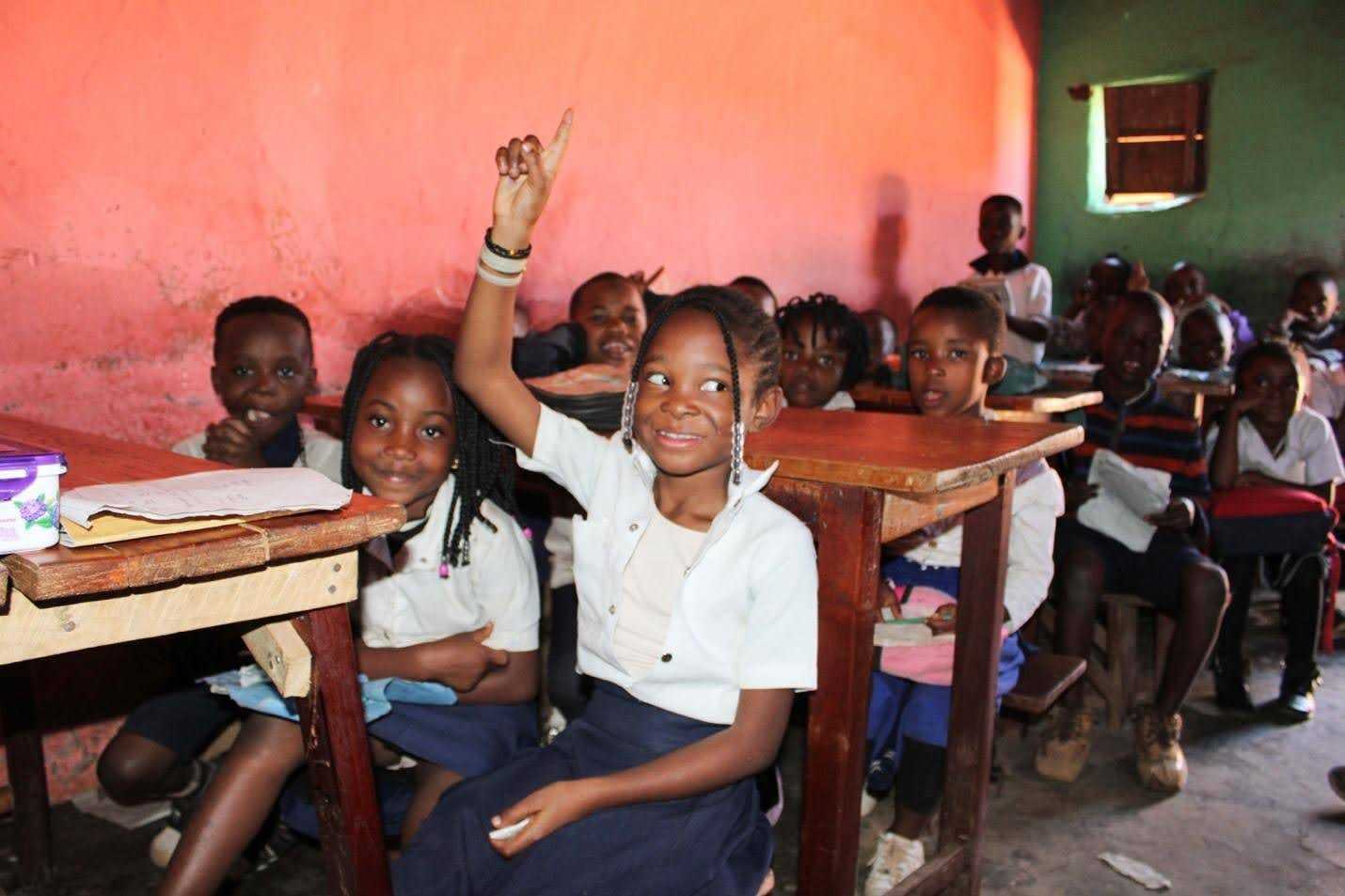
Introduction Dzaleka Refugee Camp, situated in Malawi, is home to thousands of refugees from across Africa. In emergency situations like these, education is a vital component of humanitarian response, providing stability, hope, and opportunities for growth. This blog delves into the various educational stages available in our program at Dzaleka, including preschool, primary, secondary, post-secondary, and vocational education.   Preschool Education Our Preschool at Dzaleka focuses on providing young children with a safe and nurturing environment to begin their learning journey. Key aspects include: Developmental Foundations: Programs emphasize social, emotional, and cognitive development through play-based learning. Routine and Stability: Establishing a daily routine helps children cope with the uncertainties of displacement. Preparation for Primary School: Early childhood education lays the groundwork for success in primary education. Despite limited resources, dedicated educators and volunteers ensure that children receive the care and education they need to thrive.   Primary Education Primary education is a fundamental right and a priority for all children. Our school in the Dzaleka follow the Malawian national curriculum, aiming to: Basic Literacy and Numeracy: Ensuring children acquire essential reading, writing, and math skills. Bilingual Education: Teaching in both Chichewa and English to prepare students for higher education. Inclusive Environment: Promoting inclusivity and understanding among children from diverse backgrounds. Challenges such as overcrowded classrooms and shortages of materials are common leading to not accommodating all the eligible children. However, FOH and stakeholders maximize efforts to address these issues, ensuring access to education for all children. Secondary Education Secondary education at Dzaleka faces more significant challenges due to resource constraints. Nonetheless, efforts are made to: Provide Formal Education: Offering structured secondary education that aligns with national standards. Alternative Learning Opportunities: Creating programs for adolescents who missed earlier education. Examination Preparation: Preparing students for national exams, crucial for further education and job prospects. Secondary schools often rely on external support for textbooks, lab equipment, and other essential resources, enabling students to continue their educational journey. However, only few of those who complete primary school at Dzaleka have access to secondary school due to very limited space.   Post-Secondary Education Post-secondary education opportunities, though limited, are vital for empowering refugees with advanced knowledge and skills. Initiatives include: Higher Education Programs: Collaborations with universities and online education platforms to offer certificate and degree programs. Scholarships and Support: Providing financial and academic support to help students access tertiary education. Professional Development: Courses and certifications in fields such as leadership, education, and business. These opportunities are crucial for refugees aspiring to professional careers, offering a path to self-sufficiency and leadership within their communities.   Vocational Education With our vocational education FOH equips refugees with practical skills for employment and self-reliance. Key aspects include: Skill Development: Training in trade such as tailoring  Empowerment Programs: Special focus on empowering women and youth with marketable skills. Entrepreneurship: Encouraging small business development and entrepreneurial activities. Vocational training programs are essential for providing immediate livelihood opportunities, helping refugees to support themselves and their families.   Conclusion Education in emergency situations like at Dzaleka Refugee Camp is a beacon of hope and resilience. Despite numerous challenges, the commitment of our educators, volunteers, and other stakeholders maximizes efforts to help children and adults have access to learning opportunities. From preschool to post-secondary and vocational education, these efforts equip refugees with the knowledge and skills necessary to rebuild their lives, be resilient and contribute positively to society.  

Read More
images not found
Chrissie August 1, 2020

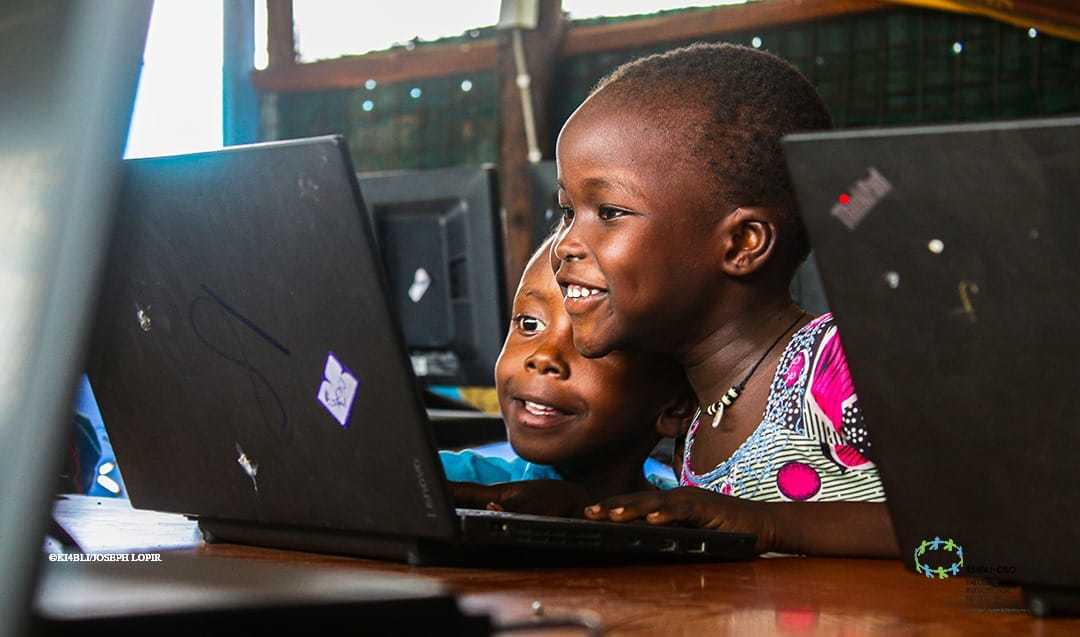
At Kalobeyei Initiative for Better Life (K4BLI), we are steadfast in our commitment to equipping refugee and host communities with the skills they need to thrive in today’s technology-driven world. As part of this mission, we are proud to introduce our new digital literacy program for Early Childhood Development (ECD) and Education in Emergencies (EiE) students at Light Academy. This initiative is a pivotal element in our efforts to provide scalable skills that lead to decent work and sustainable community development.   In an increasingly digital age, early exposure to technology is crucial for developing the competencies needed to succeed in modern life. This is particularly important in the Education in Emergencies (EiE) context, where children from refugee and host communities often face significant challenges in accessing quality education. Literacy and numeracy remain critical gaps in these communities, exacerbated by inadequate educational infrastructure, a shortage of qualified teachers, and the unregulated movement of populations. Recognizing these challenges, K4BLI has launched a digital literacy program aimed at enhancing both literacy and numeracy for these vulnerable students. By integrating digital learning into the curriculum, we aim to address these educational gaps and provide a sustainable solution that empowers young learners to overcome the obstacles they face. The digital literacy curriculum at Light Academy covers essential topics, including basic computer skills, internet safety, and an introduction to educational software. Designed to be interactive, the program engages students through hands-on learning experiences that foster curiosity and confidence in using technology. By starting digital education at an early age, we are laying the groundwork for lifelong learning and adaptability in a rapidly evolving world. The response to the program has been overwhelmingly positive, with students showing significant progress in their digital competencies. Teachers have reported increased student engagement and a marked improvement in their ability to navigate digital tools. This initiative aligns with K4BLI’s vision to end dependency through education and empowers the next generation to become active participants in the digital economy. As we continue to expand and enhance our digital literacy offerings, we are committed to ensuring that all students, regardless of their background, have the opportunity to develop the skills they need for success in the digital age. At K4BLI, we believe that by investing in education, we are building a brighter, more sustainable future for both refugee and host communities.     “This digital literacy program is more than just teaching students how touse technology; it’s about preparing them for a future where digital skillsare essential. The progress we’ve seen in such a short time is a testamentto the potential of these young minds.” — Elisha Bengenya, Head Teacher, K4BLI - Light Academy

Read More
images not found
Chrissie August 1, 2020

In the heart of Northwestern Kenya lies Kakuma Refugee Camp, Established in 1992, Kakuma has evolved into a beacon of hope for refugees from across Africa, hosting those fleeing violence and persecution. However, nestled within Turkana County's arid landscapes, Kakuma faces its own set of challenges, particularly regarding climate and environmental sustainability. A Harsh Environment The climate in Kakuma is characterised by arid conditions, with limited rainfall and high temperatures posing significant challenges to agriculture and livelihoods. Water scarcity is a constant concern, exacerbating food insecurity and health risks for the camp's inhabitants. In such an unforgiving environment, resilience becomes not just a virtue but a necessity for survival. The climate is hot and dry, suitable more for herding goats and camels than agriculture. A laaga (dry river bed) cuts through the camp but becomes impassable, and dangerous, when rain comes to the mountains at its source far away. Farming and Health Education’s Response: A Beacon of Resilience Amidst these challenges, Farming and Health Education (FHE) emerges as a beacon of resilience and hope. Led by dedicated youth refugees, FHE is more than just a Community-Based Organisation; it's a lifeline for those navigating the complexities of displacement and environmental adversity. Sustainable Farming Practices At the core of FHE's mission lies sustainable regenerative farming. Recognising the importance of eco-friendly agricultural practices, FHE equips refugees with the skills and knowledge needed to cultivate the land effectively despite the harsh climate. Through initiatives like permaculture training, kitchen gardening, and tree nurseries, FHE empowers individuals to harness the land's potential while mitigating environmental degradation. Promoting Environmental Awareness In addition to sustainable farming, FHE places a strong emphasis on environmental education and awareness. By educating refugees about climate change, water conservation, and ecosystem preservation, FHE fosters a sense of environmental stewardship within the community. Through workshops, awareness campaigns, and hands-on activities, refugees learn not only to adapt to their surroundings but also to protect and preserve them for future generations. Collaborative Efforts for Change Recognising the interconnectedness of environmental issues, FHE actively collaborates with local authorities and stakeholders to address climate challenges in Kakuma and beyond. Recently, FHE donated 50 pawpaw seedlings to the Turkana West Governance for the upcoming World Environmental Day event in Kalobeyei Settlement. This gesture not only highlights FHE's commitment to environmental sustainability but also fosters partnerships for collective action and impact. A Beacon of Resilience and Hope In the face of climate adversity, FHE stands as a beacon of resilience and hope for refugees in Kakuma. Through sustainable farming, environmental education, and collaborative initiatives, FHE is not only adapting to the challenges of climate change but also transforming them into opportunities for growth and empowerment. As they continue to sow the seeds of resilience, FHE is nurturing a brighter, more sustainable future for refugees and the environment alike. Compiled by Marceline, Executive Director and founder of FHE  

Read More
images not found
Chrissie August 1, 2020

Tongogara Refugee Settlement is in Chipinge District, about 420 km southeast of the capital Harare. It hosts over 17,000 refugees and asylum seekers primarily from the Democratic Republic of Congo, Mozambique, and others in the Horn of Africa and Great Lakes region. In my community, I have experienced and witnessed how the climate crisis poses protection risks on Refugees' livelihood, infrastructure, physical and mental health, as well as economic security. For instance, the 2019 Cyclone Idai and the ongoing El Niño drought have had a huge toll on my refugee community's infrastructure and agricultural livelihood badly. In the aftermath of Cyclone Idai, I and other young people formed the Refugee Coalition for Climate Action (RCCA) with a mission to mobilize and empower refugee and host community youth, women, and children to be change agents for climate and environmental action to build adaptive capacity in our communities to the changing climate through a community-based approach. Since 2021, RCCA has planted 2,257 trees, educated more than 3,000 young people on climate change and environment management, and conducted 120 cleanup campaigns in the Refugee Settlement and the hosting community. These efforts have enhanced the greening of public centers in Tongogara Refugee Settlement, improved food and nutrition security in 50 households through our fruit tree planting approach, built 50 refugee youth climate advocates, potentially fostered community-based adaptation and resilience to weather conditions, improved cleanness of public fields, and fostered behavioral change among young people on how they discard litter in the community. We work in collaboration with the Settlement Administration, UNHCR Zimbabwe, and World Vision, and our impact is greater with the financial support of the Global Refugee Youth Network, Data4Change, and fundraising through GlobalGiving. Due to the limited financial support the refugee-led we are unable to meet our target this year, we seek to build two school orchards, reach out to 5000 people, and plant about 5000 trees, seedlings are currently in our nursery garden.  

Read More
images not found
Chrissie August 1, 2020

When we started Refugee Mental Health Network, then called Mental Health Family, we were a small dedicated team with a shared dream of supporting mental well-being in refugee communities. In those early days, we used our own funds, and we could only offer basic refreshments and minimal transport refund of about $2. Even with these challenges, we kept pushing forward, determined to make an impact in our communities.   Today, we’re officially registered, and running an 8-week therapy program for refugee mothers that are either victims of gender-based violence, sexual violence or both, the program combines mental health support in form of group therapy with yoga and financial literacy training. As we’ve grown, reaching over 1,000 people both online and in person, we’ve also seen the importance of having a central, reliable space where our community can find us consistently for therapy and follow-up care. Right now, our greatest need is for this dedicated space, as borrowing locations often creates challenges in maintaining regular support.   We’re also working hard to ensure we can continue supporting the mothers in our program, and we’re running a GoFundMe to help sustain these sessions. We’re hopeful that as more people see our work, they’ll feel inspired to join us in this vision, bringing us closer to a community where every refugee has access to healing, support, and resilience.   Alongside our mission to create a safe physical space with dedicated therapy rooms, we aim to train refugee mental health counselors who can provide therapy in local languages. This approach will break language barriers and offer culturally sensitive care, creating resilient communities where refugees can rebuild, heal, and thrive   GoFundMe link: https://gofund.me/7d841dab Donate via Reframe: https://bit.ly/3As7c3p 

Read More
images not found
Chrissie August 1, 2020

Every December 3rd, the world comes together to honor the International Day for Persons with Disabilities (IDPD), a day dedicated to promoting the rights, dignity, and well-being of persons with disabilities globally. This year, under the theme "Amplifying the leadership of persons with disabilities for an inclusive and sustainable future," the Voice for Disabled People Association (VDPA) is taking proactive steps to highlight the essential role that individuals with disabilities play within their communities, particularly in refugee settings like Kakuma and Kalobeyei.   The celebration aims to bring together diverse stakeholders, including UNHCR, the National Council for Persons with Disabilities (NCPWD), NGOs, community-based organizations (CBOs), and refugee-led organizations (RLOs). Together, we will foster understanding, advocate for change, and celebrate the remarkable contributions of persons with disabilities. Here’s how we plan to make this day impactful.   Our Objectives for IDPD 2024 Raise Awareness: We want to spotlight the rights, challenges, and needs of persons with disabilities, with a special focus on refugee contexts where these issues are often compounded. Promote Inclusion: We aim to emphasize the importance of inclusion across all areas of life—from education and healthcare to employment—ensuring that persons with disabilities have the opportunity to thrive. Celebrate Achievements: This day is a chance to recognize the contributions that individuals with disabilities have made to their communities, breaking stereotypes and reshaping narratives. Advocate for Change: Through various initiatives, we will use this platform to push for policies that improve the lives of persons with disabilities, particularly in refugee settings.   Planned Activities for IDPD 2024 To realize these objectives, we have curated a series of activities designed to engage, educate, and inspire. Here's a look at what’s in store: 1. Public Awareness Campaign Leading up to December 3rd, VDPA will roll out a campaign on social media, through community posters, and via newsletters. The campaign will share powerful stories, statistics, and infographics, all aimed at shedding light on the lives and experiences of persons with disabilities. 2. Community Workshops We’ll host workshops and discussions within the refugee community that cover topics like disability rights, accessibility, and empowerment. Guest speakers, including disability rights advocates, will join to provide firsthand perspectives and valuable insights, fostering a deeper understanding within the community. 3. Art and Cultural Exhibitions Art has the power to communicate beyond words, and our exhibition will showcase the talents of individuals with disabilities through visual art, poetry readings, and live performances. This is an opportunity for participants to express themselves and for audiences to experience their creative voices. 4. Inclusive Sports and Play Activities Our inclusive sports events encourage participation from everyone, regardless of physical abilities. These activities promote unity, physical health, and social inclusion, strengthening the sense of community and connection among participants. 5. Panel Discussion We are organizing a panel discussion featuring representatives from the community, UNHCR, NCPWD, NGOs, CBOs, RLOs, and disability experts. Together, they will explore critical issues faced by persons with disabilities in refugee contexts, discussing both the challenges and potential solutions. 6. Advocacy Statements As part of our mission to make a lasting impact, we’ll draft and distribute advocacy statements to stakeholders. These statements will emphasize the rights of persons with disabilities and advocate for their inclusion in policy conversations, ensuring that their voices are heard at all levels of decision-making.   Expected Outcomes Through these activities, we aim to achieve the following: Increased Awareness: By engaging the community and stakeholders, we hope to foster a more profound understanding of the rights and needs of persons with disabilities. Enhanced Community Engagement: By offering inclusive activities, we strengthen community bonds and build mutual respect and empathy. Policy Advocacy: Through clear, actionable recommendations, we’ll push for policies that support the inclusion and empowerment of persons with disabilities. Empowerment: Our goal is to encourage individuals with disabilities to advocate for themselves, take on leadership roles, and make meaningful contributions to their communities.   Join Us in Making a Difference This December 3rd, let's unite to celebrate, support, and uplift persons with disabilities. By amplifying their leadership, we work toward a future where everyone, regardless of ability, has the chance to shape their community and the world. With your support, we can foster an inclusive and sustainable environment for persons with disabilities in Kakuma, Kalobeyei, and beyond. Contact Us If you would like to participate, volunteer, or learn more about our initiatives, please reach out to us: Jules Mkelelwa MwandjaFounder and Director, Voice for Disabled People AssociationEmail: [email protected] / [email protected]: +254705130723 Let’s create a future where every voice is heard and every leader, no matter their ability, is empowered. Together, we can make a difference.

Read More
images not found
Chrissie August 1, 2020

Introduction At Fountain of Hope School, we are pioneering innovative approaches to education byintegrating cutting-edge technology across all levels of learning from Kindergarten through Secondary School. Our commitment to digital transformation is reshaping how our students learn, engage, and prepare for the future.     Digital Foundations: The Tablet Program   In partnership with different partners, we've implemented a comprehensive tablet program that's revolutionizing early education.     This initiative, focusing on students from Kindergarten 3 to Standard 4, leverages offline-capable application to enhance fundamental skills: Literacy Development: Students engage with interactive content that strengthens reading and writing capabilities  Numeracy Skills: The program offers personalized mathematics instruction, ensuring each student progresses at their optimal pace Offline Accessibility: The application's offline functionality ensures consistent learning opportunities regardless of internet connectivity   Program Impact by the Numbers Our tablet program has reached an impressive 922 students across different communities:  572 Fountain of Hope School students (from Kindergarten 3 to Standard 4)  110 students at Lilambwe, our partner community school  240 out-of-school children who previously had no access to education due to overcrowded public schools and financial constraints      Advancing into AI: The Next Frontier  Building on our digital foundation, we're excited to announce our latest partnership, bringing artificial intelligence into our classrooms. This cutting-edge program currently benefits 440 students from Standard 5 through Form 1, representing our commitment to preparing students for an AI-driven future.   Key Features of Our AI Integration:  Personalized learning paths tailored to each student's progress  Advanced problem-solving  Real-world application of technology skills Enhanced critical thinking development   Back to School: Breaking Barriers in Eastern Congo  In Bukavu, Eastern Democratic Republic of Congo, we've pioneered an innovative educational initiative called the Back to School program. This transformative program:  Targets students aged 12-18 who have been out of the educational system Offers a condensed 6-year curriculum covering both primary and secondary education   Prepares students for the Form 4 Congo national examination  Has achieved remarkable success, with multiple students progressing to university education  Celebrated its first university graduate last year     Success Story Our first university graduate from the Back to School program stands as a testament to the transformative power of education and the importance of creating alternative pathways for learning. This achievement demonstrates how innovative educational approaches can break the cycle of educational disadvantage and create new opportunities for young people in challenging circumstances.      Our Educational Ecosystem  Fountain of Hope School's comprehensive approach spans three key divisions:  Kindergarten: Building early digital literacy through age-appropriate technology  Primary School: Blending traditional learning with tablet-based instruction  Secondary School: Advanced technology integration with AI-powered learning tools    Impact and Future Outlook  The implementation of these technology programs has shown promising results in student engagement and academic performance. As we continue to evolve our educational approach, we remain committed to:  Maintaining a balance between traditional teaching methods and technological innovation  Ensuring equitable access to digital learning tools Preparing our students for success in an increasingly digital world  Expanding our reach to support more out-of-school children and vulnerable communities Conclusion At Fountain of Hope School, we believe that the integration of technology, from tablets to AI, isn't just about keeping pace with the times - it's about creating an educational environment where every student can thrive. Through our partnerships with IMAGINE WORLDWIDE, ONEBILLION, and 2h Learning, and our innovative programs like Back to School, we're building a model for 21st-century education that not only shapes the future of learning but also transforms lives and communities. 

Read More
images not found
Chrissie August 1, 2020

YIDA Youth Initiative (YIDA) is a refugee-led and youth-led charitable NGO formed to promote sustainable living among refugees by providing quality education and financial inclusion, primarily targeting youth and children in the Kyaka II refugee settlement. YIDA offers early childhood education and primary education to refugee children and those in host communities through school construction and teacher training. Additionally, YIDA provides soft skills training to entrepreneurial refugees and offers startup capital within the refugee settlement and host communities to foster business development, thereby creating employment opportunities.   Since 2014, YIDA has been educating refugee children, focusing on Early Childhood Education (ECD) and lower primary levels. Annually, YIDA educates over 900 refugee children, providing hot meals as the only primary ECD institution in the refugee community that offers meals to learners. YIDA operates two schools in the Kyaka II refugee settlement: Youth Initiative Kindergarten (ECD) and Youth Initiative Primary School.   In response to the increasing demand for education and emerging technologies, YIDA has adopted technology as a methodology for delivering quality education. In 2024, YIDA partnered with Learning Equality to implement Kolibri, a tablet-based learning program supporting access to numeracy and literacy lessons. Kolibri is an offline platform that can be accessed without internet data, making it suitable for YIDA schools located in remote areas with limited internet and power access.   While the program provides an opportunity for AI access to learners, it is not without challenges. For example, each child at Youth Initiative Primary School is expected to have a tablet, which is costly.   How AI Can Be Used at YIDA Schools As YIDA strives to provide quality education, embracing AI technology is essential, as it has been proven to enhance educational delivery.   Personalized Learning AI systems analyze individual student performance to tailor educational content according to their unique learning styles and paces. For instance, platforms like DreamBox and Smart Sparrow adapt lessons in real-time, allowing students to master concepts at their own speed (Owoyemi & Owoyemi, 2024). This personalized approach not only boosts confidence but also helps identify areas where students need improvement. Administrative Efficiency Teachers benefit from AI through the automation of grading and scheduling, significantly reducing their workload. Tools such as Gradescope provide consistent grading for assignments, enabling educators to focus more on teaching rather than administrative tasks (Owoyemi & Owoyemi, 2024). Engaging Learning Experiences AI enhances classroom engagement by integrating gamified content and interactive learning tools. Programs like Kahoot! utilize AI to create adaptive quizzes that respond to student input, making learning more dynamic and enjoyable (Owoyemi & Owoyemi, 2024). Moreover, initiatives like the MIT Media Lab's curriculum introduce children to AI concepts through hands-on activities, fostering an early understanding of technology (Owoyemi & Owoyemi, 2024). As AI continues to evolve, its role in primary education is expected to expand, promoting both digital literacy and critical thinking skills among young learners. Early Detection of Learning Disabilities AI can assist in the early detection of learning disabilities by analyzing data from children's activities to identify patterns that may indicate issues such as dyslexia or dyscalculia. Tools like Lexplore use AI and eye-tracking technology to detect reading difficulties early, allowing for timely intervention (JetLearn, 2025). Support for Teachers AI reduces the administrative burden on teachers, enabling them to focus more on direct educational interactions with students. It automates tasks such as grading, report generation, and lesson planning, streamlining workflow and decreasing teacher burnout. This allows educators to dedicate more time to engaging with their students and providing individualized support (Teachflow, 2023). Inclusive Learning Environments AI fosters inclusive learning environments by accommodating diverse learning needs, including those of children with disabilities. Customized learning aids can help ensure that all children have equitable access to education, addressing various challenges they may face (HeyCoach, 2024).   Challenges Expected While Embracing AI in YIDA Schools The integration of Artificial Intelligence (AI) in educational settings, particularly at Youth Initiative Primary School and Youth Initiative Kindergarten (YIDA schools), presents numerous opportunities for enhancing teaching and learning. AI can significantly assist teachers in lesson planning, support inclusive education, and facilitate the early detection of learning disabilities. However, several challenges must be addressed to fully realize these benefits. High Costs of Accessing AI Tools: One of the primary challenges is the high cost associated with accessing AI tools. Implementing AI technologies often requires substantial financial investment in software, hardware, and training. These costs can be prohibitive for many educational institutions, particularly those operating on limited budgets. As a result, schools may struggle to provide equitable access to advanced educational tools, potentially widening the gap between students who have access to these resources and those who do not (Mendoza, 2025). Network Issues: Another significant hurdle is network connectivity. Reliable internet access is crucial for the effective implementation of AI in classrooms. In many regions, including areas served by YIDA schools, inconsistent or inadequate internet connectivity can hinder the use of AI tools. This limitation not only affects the ability to deliver lessons effectively but also impacts students' engagement and learning outcomes (Open Access Government, 2025).   Additional Challenges Teacher Training: A lack of adequate training for educators on how to effectively integrate AI into their teaching practices can limit the technology's potential benefits (British Council, 2024). Ethical Concerns: Issues such as data privacy, algorithmic bias, and over-reliance on technology pose ethical dilemmas that need careful consideration (eSchool News, 2024). Student Engagement: While AI has the potential to personalize learning experiences, there is a risk that students may become overly dependent on technology for answers, which could undermine their critical thinking skills (Illinois College of Education, 2024).   In conclusion While AI holds great promise for enhancing educational experiences at YIDA schools through improved lesson planning and support for inclusive education, addressing the associated challenges—such as high costs and network issues—is essential for successful implementation.   References Owoyemi, A., & Owoyemi, J. (2024). Artificial Intelligence (AI) for Sustainable Youth Development. Retrieved from https://www.changesforhumanity.org/projects/yida    HeyCoach. (2024). AI for identifying learning disabilities early. Retrieved from https://blog.heycoach.in/ai-for-identifying-learning-disabilities-early/  JetLearn. (2025). How AI can help identify and support learning disabilities. Retrieved from https://www.jetlearn.com/blog/how-ai-can-help-learning-disabilities  Teachflow. (2023). The role of AI in addressing learning disabilities. Retrieved from https://teachflow.ai/the-role-of-ai-in-addressing-learning-disabilities/ British Council. (2024). AI in education: how to navigate the opportunities and challenges. Retrieved from https://internationalschools.britishcouncil.org/blog/ai-in-education-how-to-navigate-the-opportunities-and-challenges  eSchool News. (2024). 5 obstacles AI can help schools overcome. Retrieved from https://www.eschoolnews.com/digital-learning/2024/04/16/5-obstacles-ai-can-help-schools-overcome/ Illinois College of Education. (2024). AI in Schools: Pros and Cons. Retrieved from https://education.illinois.edu/about/news-events/news/article/2024/10/24/ai-in-schools--pros-and-cons Mendoza, A. (2025). Embracing AI in Education: Tackling the Challenges. LinkedIn. Retrieved from https://www.linkedin.com/pulse/embracing-ai-education-tackling-challenges-alfonso-mendoza-jr-m-ed--uabqc Open Access Government. (2025). Navigating the future of AI in schools: Transforming challenges into opportunities. Retrieved from https://www.openaccessgovernment.org/navigating-the-future-of-ai-in-schools-transforming-challenges-into-opportunities/187808/   

Read More
images not found
Chrissie August 1, 2020

As we mark World Refugee Day 2025 under the theme "Solidarity with Refugees", it's time to not only honor the resilience of displaced communities but to recognize their tangible contributions to Kenya’s socio economic fabric. Refugees are not just recipients of aid - they are entrepreneurs, educators, changemakers, and economic actors. At Youth Voices Community (YVC), we have witnessed this transformation firsthand. Our programs, rooted in localization and led by refugee youth, are bridging the gap between humanitarian support and sustainable development. In 2024 alone, we disbursed over KES 4.8 million to support 50 refugee entrepreneurs and 20 self-help chama groups across Nairobi. These groups - comprising tailors, food vendors, beauticians, and digital freelancers - are rewriting the narrative of what refugee inclusion looks like. The rise of local chama groups emerging from our programs at YVC stands as one of the most inspiring examples of refugee-led economic empowerment and grassroots community resilience. The Power of Local Chama GroupsChama groups have mushroomed into local engines of resilience. With 14 - 25 members each, these groups are more than savings circles; they are incubators for women-led innovation, community finance, and social solidarity. But they face major hurdles: formalizing operations, accessing capital, and dealing with regulatory burdens such as business licensing and tax obligations. Despite these challenges, many have opened joint bank accounts, grown their savings, and even expanded to employ others -  actively contributing to market integration and local economic growth.One group leader from Kangemi told us, “Our group evolved from informal to empowered.” That empowerment is measurable - some groups grew their funds by over KES 400,000 and are now networking with others for peer learning and co-investment. From Survival to ScaleAmong the 50 entrepreneurs we supported, over 56% reported business growth exceeding 50%, with reinvestments ranging from KES 1,000 to 70,000. Their businesses fund food, healthcare, and education - not just for their families but for their communities. More than 23% hired new staff, showing that with the right support, refugee-owned businesses create jobs and broaden Kenya’s tax base.But despite this success, donor trust remains a barrier. Refugee-led organizations often face skepticism around their capacity to manage large funds, despite having systems, results, and proximity. The lack of due diligence frameworks that fit grassroots realities continues to exclude refugee voices from the development table. Building Systems, Not SilosThe global humanitarian system is under pressure. Funding is dwindling, and the old model of emergency aid is no longer sufficient. What’s needed is a paradigm shift: from charity to partnership, from dependency to agency. This aligns with Kenya’s Shirika Plan, the IGAD Support Platform, and global development goals like SDG 1 (No Poverty), SDG 8 (Decent Work and Economic Growth), and SDG 17 (Partnerships for the Goals).Social enterprise, as a concept, sits at the heart of this shift. Through our  digital livelihood program - DIGIKAZI , acronym for Digital works -  a skills program, we trained over 44 refugee youth in coding, cybersecurity, and design - 10 of whom have formed a tech startup, Cre8tive Tech. These are the new faces of refugee potential: job creators, not job seekers. Why Recognition MattersOn this World Refugee Day, we call for more than visibility - we call for recognition. Recognition of the economic value that refugees bring. Recognition of the systems they are already building. And recognition of the refugee-led organizations like ours, which continue to serve communities with commitment, creativity, and impact.Refugee leadership is not a risk; it is an opportunity.

Read More
images not found
Chrissie August 1, 2020

By Amule Mansuru: Executive Director of the Rural Initiative Alliance for Development (RIAD) (Uganda)   Omugo zone in the Rhino Refugee Settlement was established in 2017. I joined the settlement in 2019, and when I joined Omugo zone, we had more than 30 partners operating in the area. I remember all departments, such as wash, protection, health, education, livelihood, which were all supported by the international partners in the settlement. When I joined Omugo in 2019, my focus was first to have my family resettled and then work on other programs later.   A year later, in the context of the COVID 19 pandemic, the Government of Uganda, adopted a new policy of social distancing. As a result, we were restricted from moving to the neighboring villages. When the pandemic intensified, the ministry of health put into place additional restrictions on some operations, such as work related to livelihoods and environment programs, that would bring people together. Some actors were given permission to operate only for a limited time (one month) and they kept extending the dates.   All the refugees in the settlement rely on the support coming from the partners for assistance in different areas of livelihood, health, education and protection. In May 2021 the pandemic intensified and many international organizations rushed in leaving the settlement.    Thus, the task of coordinating all humanitarian work fell on the shoulder of local communities themselves. But this was fraught with challenges. Many people were missing services, children were staying at home, learning materials issued by the ministry were not reaching the refugees. I remember when the late assistant settlement commandant became positive of COVID 19, he was requested to isolate himself from the public. He sent someone to call me to reach him, and when I reached him, he was talking to me through the window, requesting us to support in the election process of refugee welfare council members. At that time, we were the only refugee led organization (RLO) in Omugo zone. That is how RLOs in the area started to play an increasingly prominent role.   But I was asking a question to myself: why is our role needed only now, just at the height of a crisis triggered by the pandemic, why not previously? I was confronted with the same question when I went back to my community, explaining why I was called. Now that other major actors have left the settlement, I told my community,  we have to help our people.    When the Ugandan Government lifted COVID-19 restrictions, many partners were not sufficiently operating in Omugo due to financial gaps. Those that were available on the ground were working just because of the resilience of their volunteers despite the challenging circumstances. They were doing their best within their limited resources.   Looking back, I observe that a lot has been achieved by RLOs over these past years. But there are also daunting challenges. From my most recent experience, the following is a good example. I live in Arua town, and I travel every day to the settlement, for reasons best known by me and my team. In the morning hours of Tuesday, 26 August 2025 I tuned to a local radio to listen to the 7am news. The news reader was reporting about what some stakeholders were saying in a certain meeting organized the previous day by VNG International. The latter is an international organization that works in the refugee response sector in collaboration with local government actors in Arua city and Koboko district.   The problem with the above plan is that in our understanding there was not sufficient level of consultation with the refugee communities in the area in terms of how the tree planting plan is to be implemented, how the refugees are going to access land in order to plan the trees, or what resources are they going to have to do that. Looking at the current crises in Rhino Settlement, where people are looking at food as the only basic need in their plan, this kind of working methodology comes as problematic. In a follow up conversation related to the above matter, and based on similar other conversations my colleagues and myself have had recently, we are also realising that there are some local actors that are no longer comfortable with the generic name of a “refugee led organization” or an RLO as it is widely known in abbreviation. There are arguments, rather unconvincing ones, based on claims that the terminology is discriminative – discriminative towards other local actors in the field which are doing the same work like RLOs. There are some who argue that it has also the potential to discredit the work of other local actors, particularly so-called community based organizations (CBOs). We do not agree with unsubstantiated comments of this nature, because we do not see a major problem as to why the term RLO is seen as problematic. After all, it is now a term, which is widely used in the broader humanitarian sector.   Most importantly, however, if displaced communities themselves are ok with the use of the term, it does not come as convincing if others find it problematic (and when this is not sufficiently substantiated). In broader terms, RLOs in West Nile over the past several years have shown considerable progress in addressing the needs of their communities. While such developments are promising, some challenges remain, some of which I have briefly addressed in this contribution. Through continued engagement and collaboration with the host community, including local government actors, one hopes that progress can be scaled up in the future. 

Read More
images not found
Chrissie August 1, 2020

By Gawaar Juich Tongogara Refugee Settlement, Zimbabwe A difficult period has arrived for refugees in Zimbabwe. With global humanitarian funding shrinking and international agencies scaling back, refugees and asylum seekers in Tongogara Refugee Settlement brace for harder days ahead. UNHCR closed its Regional Bureau for Southern Africa in Pretoria on 1 October 2025, citing steep donor declines. Operations in Zimbabwe will continue, but with what the agency calls “a much smaller physical presence.” The emotional toll and confusing reality of what the future holds for protracted-displaced refugees in Tongogara was inflicted earlier in 2025 when the U.S., historically the largest refugee-admissions country, indefinitely suspended its Refugee Admissions Program (USRAP), leaving hundreds of refugees in the resettlement pipeline stranded.  Tongogara is home to over 13,000 refugees and asylum seekers from the Great Lakes Region, Mozambique, and the Horn of Africa. This displaced population largely depends on donor-funded healthcare, food aid, education, and livelihoods already shocked by climate change. Despite the Government of Zimbabwe's policy shift from camp to settlement, the country’s encampment policy, dating back to the 1990s remains in place and currently restricts refugees on both the right to work and freedom of movement. Limited vocational skills further challenge refugee youth who often seek innovative avenues to earn a living. Now fears grow that the situation will only worsen and deepen vulnerabilities of the refugee community if healthcare, education, water and sanitation, and livelihoods crumble. This will leave refugees more exposed to poverty, disease, exploitation, and the loss of basic protections. Lack of funding for youth-led interventions risks undoing gains in child and youth protection as youth volunteers who help run such programs retreat. Funding cuts have strangled critical community-led projects meant to curb gender-based violence, PSEA, and other essential protection programs, further endangering the refugee situation within the Settlement. Yet how elastic is refugee resilience? Tongogara Refugee Settlement has witnessed noteworthy achievements since 2017, thanks to the Settlement Authority’s Transformation Agenda that recognises refugees as partners in humanitarian and development programs.  One of Zimbabwe’s key pledges and commitments under the Global Compact on Refugees (GCR) is enhancing Refugee Self-reliance through access to livelihoods. 150 hectares of agricultural land have been allocated to benefit refugees and host-community farmers. Farming activities are carried out under the climate-smart irrigation program. A vendor market jointly run by refugee and host-community vendors has become an active economic hub. More than 200 small enterprises: shops, butcheries, barbershops, and grinding mills, to mention a few, were established, boosting income generation and reducing dependency on aid. Public transport and banking services have been extended into the Settlement, improving mobility and financial access. Three refugee-run ICT Youth Hubs offer digital-skills training, closing the digital gap faced by young refugees. The government's resumption of issuing refugee travel documents has enabled refugee youth to pursue higher education abroad, demonstrating progress toward protection and durable solutions. While these gains are transformative, they remain fragile, as many depend on external funding and could be reversed without sustained support. Earlier in November 2025, the government, through its Ministry of Public Service, Labour & Social Welfare official X account, confirmed its readiness to take action. "Following USAID’s withdrawal of global aid, including UNHCR support, the government has assumed full responsibility for the welfare of over 13,000 refugees at Tongogara Camp in Chipinge, covering the associated costs." Confirmed by the minister Hon Edgar Moyo. This statement indicates hope for refugees in Tongogara, as it shows the government’s intent to grant wider access to public services and socio-economic rights. A million-dollar question arises: Are refugee-led organizations (RLOs) within the Settlement ready to step in? The UN Refugee Agency I believe, is uncertain as to what level this is possible, for it is clear RLOs had not been capacity built and resourced, so they have no muscle to flex. UNHCR’s Field Office ahead of the organization’s closure of its field operation never had a meeting with refugee-led organizations, least of all designing a strategic intervention gap RLOs could strive for before they closed. In Zimbabwe, RLOs traditionally do not participate in Big Brothers NGOs and government program meetings; however, lately, the Settlement Authority and UNHCR at some levels strategically invite RLOs to partner meetings, which indeed is a milestone recognition of RLOs' work, but not yet a Seat at the table.  Tongogara has a dynamic and young population, with over 86% being children and youth. Past crises have prompted some of the most notable refugee-led organizations to emerge. But have they been prepared to take the bull by the horns and complement the government, UNHCR, and operational partners in delivering high-cost programs amid the tight funding climate? RLOs in Tongogara can undoubtedly affirm their potential as key players. What must happen is giving them a small sustainable financial support, as modest as compared to funding for large organizations. This can enormously scale their impact. RLOs have demonstrated potential in resource mobilization and success in project implementation largely by their own. To highlight two RLOs, as the saying goes, the pudding is in the eating. During the COVID-19 lockdown, a refugee student-led group formed TWEENS (Together We Educationally Empower Non-Privileged Students). When the pandemic closed schools, refugee children faced the added challenge of lacking internet and digital devices. TWEENS organized home-study sessions that improved students’ pass rates. Today, the organization has grown from home-based tutoring and a resource library into a full-fledged community-based organization that tutors refugee youth preparing for O-Level exams, supports scholarship applications, and offers extra-curricular skills. TWEENS has even provided financial assistance to some learners sitting for Advanced Level exams, a rarity in the Settlement since UNHCR ended sponsorship of A-Level programs years ago. Tongogara experiences weather extremes: summer temperatures soar above 40°C, dusty spring winds sweep through, and autumn rainstorms give a seasonal sense of the area. Being in Region 5 of Zimbabwe’s agro-ecological zones, the Settlement is highly prone to droughts, extreme heat, and erratic rainfall. As climate change intensifies, the area’s climatic conditions continue to deteriorate. There has been concern about the human-wildlife conflict as the area is a few steps away from the Save Conservancy. In 2019, tropical climate-induced Idai hit the refugee settlement, destroying housing and sanitation facilities and leaving thousands of vulnerable people in need of urgent humanitarian aid. The settlement is particularly exposed because it is in a low-lying area exposed to flash flooding, and most refugee shelters are made of unburnt mud brick walls that could not withstand the torrential rains and floods. The cyclone destroyed and severely damaged over 1,000 refugee homes, affecting 5,300 people. Two years later, in 2022, refugee environmental activists formed the Refugee Coalition for Climate Action (RCCA), now a community-based organisation with a vision of building resilience in communities vulnerable to climate change by mobilising young people to be frontline actors addressing Tongogara’s most pressing environmental issues in a community where refugees do not have access to electricity and depend on wood for energy, driving deforestation and land degradation. Through tree planting, climate education, and cleaning activities, RCCA is up to the challenge. The organization has recently established an 800m² nursery, which will serve as a community tool for advancing afforestation and as a sustainability model for income generation, as tree seedlings present a market in the district. Thanks to the Settlement Authority and partners like Cohere for the support. Disaster struck the organization in early November when the area experienced its first rains of the season, accompanied by hail and strong winds that leveled the nursery. A total of 149 structures and buildings were destroyed, damaged, or partially damaged. This has put the organization back to the drawing board to mobilize funding again to renovate the nursery. In the Refugee Settlement, Zimbabwe, farmers frequently lost crops because chain-link fences intended to protect irrigation schemes were either damaged by animals or deteriorated over time, exacerbating stresses from drought and other climate-related shocks. To address this, the Refugee Coalition for Climate Action (RCCA), with the support of UNHCR’s Environment and Climate Action Innovation Fund, trialled the introduction of bio-fences, planting 2,200 drought-resistant sisal and pear cactus plants along two kilometres of farmland. These climate-resilient, environmentally sustainable, and cost-effective live fences protect crops from animals, improve soil stability, absorb carbon, support biodiversity, and can be processed into cattle fodder. The project also promotes gender inclusion by engaging women and girls in roles traditionally held by men in the settlement. Despite limited funding, RCCA volunteers have maintained the initiative and are helping refugee and host community farmers to replicate it, demonstrating how investments in community leadership promote sustainability and scale. Despite the burning passion and innovation to offer solutions to the most pressing needs in their community, RLOs in Zimbabwe run on shoestring budgets. Unlike other refugee-led organizations in Central and Eastern Africa, it is a double-edged sword for refugee-led organizations in Zimbabwe. The donor landscape rarely covers Zimbabwe; if it does, most proposals designed by RLOs are unlikely to succeed as they hardly meet bureaucratic donor requirements, making it hard to scale up success. In 2023 to 2024, the Settlement Administration supported four RLOs to register as community-based organizations. This authenticates the RLOs’ existence and opens trust for partnerships on the ground while opening eligibility to CBOs grant opportunities. But owing to the 2025 Zimbabwe’s Private Voluntary Organisations (PVO) Act, the law that requires NGOs and community groups to transition or register as PVOs before operating, it has become daunting to register as a refugee-led organization primarily led by persons of forced displacement. This policy risks sidelining RLOs and constrain their access to funding, curtailing their transformative work when their work is needed the most.

Read More
images not found
Chrissie August 1, 2020

By Janvier Hafasha: Executive Director of HODARI Foundation (Uganda) Kyaka II Refugee Settlement, a vibrant community in  Kyegegwa District , western Uganda, is home to approximately 136,129 refugees as per UNHCR & OPM sources (page 6). A striking 21%of this population are young people, a demographic that represents both the future of the community and its most vulnerable members. While the settlement has long been a haven for those fleeing conflict, it is now grappling with a severe and escalating crisis fueled by a significant reduction in international funding. The impact of this financial shortfall is being felt across every aspect of life in Kyaka II. The World Food Programme’s (WFP) recent categorization has hit the community hard, with a large number of refugees, including the author of this opinion piece, being classified into Category 3, which indicates a heightened level of food insecurity. This has led to a domino effect of hardship, from an increase in food-related stress to a rise in social and economic instability.   The Human Cost of Funding Cuts The most visible sign of this crisis is the growing number of children living on the streets. According to a recent report by Alight, an implementing partner for UNHCR, over 60 children in the Bukere Zone alone have been forced into homelessness. This is just one of many heartbreaking indicators of a society under immense strain. The pressure has also led to a sharp increase in gender-based violence (GBV), survival sex, and even suicidal cases, with one death so far reported.  In a community where a sense of stability is already fragile, these issues are a direct result of the desperation and hopelessness that a lack of resources can create. The loss of dignity and safety is a heavy burden, and the mental health of residents, including aid workers, is being pushed to the breaking point. The healthcare sector, a critical lifeline for any community, is collapsing. Funding cuts have forced the layoff of over 30 healthcare staff, including clinicians, nurses, and other essential health centers. A single clinician, who should be seeing a manageable number of  50 patients each day, is now forced to attend to over 100. This overwhelming patient load is not only a recipe for burnout but also a serious threat to the quality of care. The remaining staff, both from international and national organizations, are stretched thin, often forced to take on multiple roles, which severely impacts their own well-being and effectiveness.   Investing in Local Champions The challenges in Kyaka II demand more than a simple increase in funding; they require a fundamental shift in how aid is delivered. For too long, the relationship between the Global North and communities like Kyaka II has been defined by a power imbalance. International organizations, while well-intentioned, often create a cycle of dependency and tokenization. They frequently engage with local organizations, or Refugee-Led Organizations (RLOs), in a superficial way, giving them small sub-grants to fulfill a quota while writing “fancy reports” with impressive graphs and charts that ultimately serve their own interests. It’s time to move beyond this model. International organizations must stop using buzzwords like “capacity building” and instead embrace “capacity sharing.” RLOs are not “under-capacitated” or in need of basic training. They are already on the front lines, navigating the complex realities of their communities. What they need is knowledge exchange—the same access to international and national conferences, workshops, debriefs, and retreats that are common for international staff. This isn’t about teaching; it’s about mutual learning and respect. Furthermore, international organizations must rethink their procurement processes. Local suppliers, who are already embedded in the community, should be given contracts and supported to meet the necessary standards. This would not only stimulate the local economy but also ensure that resources remain within the community. Instead of being ignored or marginalized, local businesses should be seen as essential partners in the solution. The current crisis in Kyaka II highlights a critical truth: when international support dwindles, it’s the RLOs and local and national NGOs that remain. They are the ones who will continue to fight for their community, with or without external funds. They are the true champions, thinking locally and acting globally. This is a direct appeal to donors, INGOS, corporate companies, and philanthropists. To create a lasting impact, you must become a risk-taker and invest directly in local organizations. Just as no one is born knowing how to ride a bicycle, organizations learn and grow through experience, trial, and error. Instead of channeling funds through large international bodies, a more direct approach will empower the people who are most committed to and knowledgeable about the needs on the ground. The time for indirect, top-down aid is over. The situation in Kyaka II is a stark reminder that the most effective and sustainable solutions will come from within the community itself. By shifting power, sharing knowledge, and investing directly in RLOs, we can ensure that aid creates a lasting legacy of resilience and self-sufficiency, rather than temporary relief.  

Read More
images not found
Chrissie August 1, 2020

By Almarat Arnu Ngutulu: Operations Manager at Humanity Hands (Kenya)   Kenya has hosted refugees for the past 30 years, using a refugee camp/settlement structure, primarily in Kakuma and Dadaab in Northern Kenya. This model has worked for many years, but has proven unsustainable in terms of providing these refugees with all their needs. UNHCR, together with the Government of Kenya, has been working to end this model to ensure refugees are fully integrated in Kenya within the host communities to enable them to be self-dependent by engaging in economic activities, a move well known as socio-economic integration. Several initiatives have been rolled out over the years to help refugees and host communities in these two locations to co-exist socially and economically, including the Kalobeyei Integrated Socio-Economic Development Programme (KISEDEP) and now the Shirika Plan. Despite the efforts and initiatives, refugees need access to the following to enable them to work towards self-reliance. They need work permits to allow them to get employed and business permits to allow them to open and run businesses anywhere in Kenya,  rights to own property, such as land and vehicles.  and documentation to be able to access financial services, like opening bank accounts, Mobile Money wallets, secure loans from banks – these being a few of their needs. Another very important document is the Refugee Alien Card or Refugee Identification Document. But unfortunately, most of the refugee IDs in Kenya are not included in the National Integrated Identity Management System (NIIMS), also known as the Maisha Database. This database contains a digital representation of all citizens, including refugees registered in Kenya, including their personal data and biometrics. That makes the Alien ID Card practically useless, as it can’t be used to access any government services. Just to start with my own experience, my friends and relatives. From us all, only 2 out of about 40 IDs are in the Maisha Database based on our findings. Below is how we were able to know that. In 2023, when opening our community-based organization’s bank account after being registered, the bank needed all three signatories to have a Kenya Revenue Authority PIN, also known as KRA PIN. Among the 3 signatories was me. It is only my Alien ID Card that enabled me to open a KRA PIN; all others were refused as they were not in the system and could not generate KRA PINS. We, in fact, tried all 15 members and were lucky to get another member whose ID was accepted to open a KRA PIN. This is a common challenge most RLOs and self-run refugee groups face. Moreover, refugees need access to eCitizen. This is Kenya’s official government online platform where citizens and businesses can access, apply for, and pay for various government services, including application fees for passport, driver’s license, business registrations, etc., all from a single and centralized portal. To access the platform,  your Alien ID Card is needed. If it is not on the Maisha Database, it means refugees are not able to have an account on eCitizen, just like in the case of opening a KRA PIN. This means exclusion from many services offered via eCitizen. I was in a random conversation with my colleague, who is a web developer and works as a freelancer, giving him feedback on the website he had built for me. We ended talking about refugee IDs and KRA PINs, something he has experienced as well. He informed me that he went to open a KRA PIN in Nairobi with his refugee ID, as he needed it to access his bank account. He was told by the KRA staff, based on his words, “This ID is not anywhere in the Government Database, you were just given to feel good.” The staff even checked with him together to prove this to him, and indeed, when they searched, they got a “not found” result. He told me this while laughing, but was very disappointed as this meant he wouldn’t get a KRA PIN and access his bank until coming back to Kakuma, where the Bank branch doesn’t ask for KRA PINs based on agreements made in Kakuma. The Government of Kenya recently lifted the ban to allow refugees in Kenya to register for M-Pesa accounts, a widely used mobile money wallet. Three months after the ban was lifted, I went to a Safaricom agent, a leading mobile network provider in Kenya, to buy a new Mobile SIM card and register an M-Pesa with my ID. I was hesitant because I knew my ID was not in the Maisha Database and could not register. To prove my doubt, the system rejected it. This ID of mine was renewed most recently. I took time to have a little conversation with the agent before leaving. He said many refugees who come to open M-Pesa at his agent get similar challenges. Their IDs are rejected by the system. Only a few fractions work based on his words, and something I can confirm from my interactions with refugees. I was very disappointed and asked myself why would the government lift a ban while many Refugee IDs are not in the Maisha Database and would not open an M-Pesa account after all. Many refugee ID cards are not included in the Kenyan Government’s Maisha Database. The effects as seen are denying many refugees a lot of services that could enable them to access socio-economic services in Kenya, which could enable them to be self-dependent. It is imperative that these bottlenecks are resolved. It is important that refugee ID cards are incorporated in the Government’s Maisha Database, something that needs to be done from the production level. This will considerably enhance the likelihood of refugees to thrive independently in Kenya.  

Read More
images not found
Chrissie August 1, 2020

By Cheng Laban Ndoh: Executive Director of GEESI Development and Humanitarian Initiative (Nigeria)   As I move around the refugee settlements, my heart is broken not just by the hardship the refugees experience but by the state of affairs at some of the project sites. These sites, which once served as hot spots in the settlements, have suddenly become ghosted. A series of questions come to my mind, to all of which I do not have sufficient answers. But the problem is part of what has been happening lately in the context of global cuts of humanitarian financing.    What can we do to revive these projects, is perhaps the most important question on which I would like to focus my energy. What needs to be done so that we don’t end up again in similar situations of deadlock. My impression is that in order to find some helpful answers to this question, we need to look at the bigger picture, which is the question of sustainability in humanitarian response. Sustainability remains one of the most pressing challenges in humanitarian and development programming. While international and national partners play vital roles in initiating life-saving and development-oriented projects, many of these interventions are unable to stand the test of time once external funding or direct supervision ceases. “The failure of sustainability does not only waste resources but also weakens community trust and undermines long-term resilience.” In this contribution, I seek to highlight some of the key reasons on why implementation of projects that heavily rely on external partners often collapses after the initial phase. What are in our opinion (those of us who are on the ground), the pathways towards a more durable impact? I prefer to do this by listing some of the most known causes of the problem, leading to the lack of sustainability.   1. Top-Down Approaches and Limited Community Ownership “Most projects are designed externally, with little or no meaningful participation of the target communities.” This creates a sense of dependency rather than empowerment, as communities view projects as temporary external gifts rather than collective investments. Without genuine ownership from within, the willingness to maintain, replicate, or expand these initiatives diminishes over time. This is what our lived experience tells us.   2. Short-Term Funding Cycles Humanitarian and development funding is often restricted to 6–24 month cycles. Such short-term financial commitments prioritise immediate outputs over long-term systems strengthening. As a result, projects are often designed to achieve rapid visibility rather than building gradual resilience, leading to abrupt collapse once funding ends.   3. Capacity Gaps of Local Actors While local partners, such community-based organisations (CBOs), and refugee-led organisations (RLOs), are engaged in implementation, they are often not adequately trained or resourced to sustain projects independently. Weak institutional capacity, lack of financial management skills, and limited exposure to sustainable practices make continuity a challenge.   4. Over-Reliance on External Expertise and Materials Many projects depend heavily on international technical experts, imported resources, and sophisticated technologies that cannot be maintained locally. Once external actors withdraw, communities are left with systems and infrastructures that they lack the skills or resources to operate.   5. Inadequate Exit and Transition Strategies Projects are too frequently designed without clear exit plans that transfer responsibility gradually to local initiatives, such as CBOs and RLOs. The absence of transition frameworks results in sudden disengagement and leaves beneficiaries unprepared for continuity.   6. Fragmented Coordination and Duplication Competition among partners often leads to fragmented interventions and duplication of efforts within the same geographic space. This lack of synergy undermines comprehensive impact and makes it difficult for communities to integrate different interventions into their existing coping strategies.   7. Limited Alignment with Local Realities and Policies Projects sometimes fail to integrate with existing local structures, government priorities, or cultural contexts. When interventions are not harmonized with national policies or local traditions, they are unlikely to secure long-term acceptance and institutional support. The combined effect of all these challenges is that projects are implemented in unsustainable ways. It leads to loss of trust within communities vis-à-vis their relationship with humanitarian actors. It has implications on the wastage of scarce resources and donor funding. It exacerbates increased dependency syndrome within vulnerable populations. It perpetuates an endless cycle of dependency. This practice, instead of strengthening local initiatives, adds to their vulnerability. Weaker local initiatives, deprived of resilience and self-reliance, cannot be strong allies for sustainability.    So, What is to be Done? What are the potential solutions? Of course, in such a short contribution it is practically impossible to provide an exhaustive list of solutions. But some of the key considerations include the following.  All actors working in the refugee response sector need to recognise the need to prioritize community ownership over externally-driven agendas of donors and other actors. This cannot be attained without involving communities in all important steps of humanitarian programming, from project design to implementation, monitoring, and evaluation.  All of this requires embracing inclusive practices at the centre of which lies recognising the needs and aspirations of communities affected by forced displacement – as articulated by themselves, preferably through sustainable models of agency and representation. This would require investing in local capacities, including strengthening technical and non-technical skills of local partners. This needs to be complemented by locally sourced materials, indigenous knowledge, and culturally relevant practices. Therefore, local actors, such as RLOs and CBOs, need to be supported as central actors in sustainability, rather than peripheral implementers. In this regard, the need for multi-year and flexible funding cannot be overemphasised. Sustainability cannot be an afterthought—it must be deliberately embedded at every stage of project design and implementation. For humanitarian projects to achieve lasting impact, they must move beyond externally driven, short-term responses and embrace community ownership, capacity building, and long-term resilience. By addressing the factors outlined above, I believe that partners can ensure that interventions not only meet immediate needs but also contribute meaningfully to the self-reliance and dignity of forcibly displaced persons.   

Read More
images not found
Chrissie August 1, 2020

over half of the world’s population is connected to the internet, but millions living in refugee settlement and remote areas, like the Rwamwanja Refugee Settlement in Uganda still face significant digital barriers. While urban areas in Uganda and other parts of the world benefit from rapid technological advancements, refugees and marginalized communities often remain disconnected. This disconnection creates an urgent need to ensure that these vulnerable populations are not left behind. Which brings in the question of “how do we bridge the gap and provide these communities with the tools they need to thrive in the digital livelihood error?” In Rwamwanja, where refugees face daily challenges ranging from limited access to education and healthcare to economic uncertainties, digital livelihood initiatives play a crucial role. The digital divide here is not just about access to the internet, but also the skills needed to use these digital tools effectively. For many, even having a smartphone a lifeline in today’s world does not necessarily equate to being digitally literate. Digital literacy programs are key to bridging this gap. Teaching refugees how to use digital device opens up a world of opportunities, Tomorrow Vijana, with these programs focus on practical skills that directly impact livelihoods. For example, through training on how to use computer, mobile apps, refugees can access critical services such as food assistance from the World Food Program (WFP). The WFP is now implementing a digital food voucher system, where beneficiaries use their phones to receive rations, but still there is lack of knowledge in the use of digital devices.  With proper digital literacy, they can track their rations, manage food ration, and avoid the long queues that often characterize food collection processes in refugee settings. Beyond food assistance, smartphone, computer literacy can empower refugees to take advantage of financial services like mobile banking and mobile money platforms (such as Online Banking, MTN Mobile Money and Airtel Money), which are transforming how individuals manage their finances. By learning to navigate these platforms, refugees can send and receive money, save for the future, and engage in small-scale businesses, all from the convenience of their smartphones. Digital skills allow the community to access job opportunities ( online calls for application) and online education. With the rise of gig economies and remote jobs, a simple smartphone, computer can be the gateway to earning a living even in remote areas like Rwamwanja. Youth refugees who learn how to use freelancing platforms, make contents can benefit on these online opportunity, contributing to their incomes and improving their quality of life. Why Digital Livelihoods Matter? Digital livelihood skills have become essential in today’s world, and for refugees and underserved populations, they can be a lifeline. Through digital literacy, people gain access to critical services like food assistance, financial support, and job opportunities. One notable example is the use of smartphones to receive rations from the World Food Programme (WFP), transforming how refugees manage their day-to-day survival. The Digital Divide in Refugee Settlement With digital divide, we refer to the gap between those who have access to digital technologies, the knowledge to use them and those who do not have access. In places like the Rwamwanja Refugee Settlement where many still lack the skills or resources to fully engage with the digital world. Digital devises  are becoming more widespread, but without proper education on how to use them, people miss out on the opportunities that come with digital gadgets.  Here’s how the digital divide affects livelihoods in refugee settings: Limited access to information: Without digital skills, refugees miss out on information about job opportunities, education, and online services. Barriers to financial inclusion: Many refugees cannot take advantage of digital banking or mobile money services that can help them manage finances securely. Leveraging Digital Services for Livelihoods To tackle these challenges, organizations are launching digital livelihood programs that focus on wider digital literacy. Through these initiatives, refugees and vulnerable communities can: Access food assistance easily: In many settlements, refugees now receive their rations through mobile apps and bank services. The WFP’s digital platform allows them to receive, track, and manage their food distribution without long queues, making the process more efficient and transparent. Find jobs online: digital literacy opens up access to remote work opportunities, freelance platforms, and online training. With the right skills, individuals can earn income digitally. Manage finances with mobile money: Learning how to use mobile money services helps refugees send and receive funds securely. It also empowers them to save, pay bills, and invest in small businesses, paving the way to financial independence. Overcoming the Challenges Despite the benefits, several barriers still prevent refugees from fully accessing digital services: Limited connectivity: Many refugee camps lack stable internet connections, making it difficult for people to stay connected. Low literacy levels: Some refugees struggle with basic reading and writing, which makes digital literacy more challenging to achieve. Lack of affordable devices: Although smartphones are more common, the cost of devices and data remains a barrier for many families. How Can We Help Close the Digital Divide? address the digital livelihoods requires a collaborative effort. Tomorrow Vijana is working on the ground to provide training on digital literacy, smartphone usage, and accessing essential services through digital devices, tomorrow vijana has also introduced the community internet access offering free internet to the community to learn and connect . By equipping people with these skills, we help build stronger, self-sufficient communities that can thrive in the digital economy. In Summary Digital livelihoods are no longer just an option but a necessity for the communities striving for independence. Bridging the digital divide through Digital literacy opens doors to essential services in refugee settings, remote work opportunities, and financial management. By empowering individuals with digital skills, we can help build a future where everyone, regardless of their circumstances, has access to the tools and knowledge they need to succeed. Ready to get involved in bridging the digital divide? Share this story or join us in supporting digital livelihood programs today!

Read More
images not found
Chrissie August 1, 2020

???? Growing Hope in Rwamwanja: How AVDA Is Transforming Refugee and Host Communities Through Agriculture In the heart of Rwamwanja Refugee Settlement in Uganda, where tens of thousands of people work every day to rebuild their lives, a quiet but powerful transformation is taking place. Families who once depended solely on humanitarian aid are now cultivating their own food, young people are learning to see agriculture as a business opportunity, and communities are discovering the power of environmental stewardship. At the center of this transformation stands the Agriculture Vegetable Development Association (AVDA) a Refugee-Led Organization (RLO) committed to empowering both refugee and host communities through practical, inclusive, and sustainable agricultural solutions. AVDA was founded with a simple but profound belief: when communities have skills, knowledge, and access to opportunities, they can build their own pathways to dignity and resilience. Operating in Kamwenge District, Basecamp 1, AVDA focuses on livelihoods, climate action, youth empowerment, and advocacy. What began as a grassroots initiative is now inspiring communities to think differently about agriculture not just as a survival activity but as a promising future. ???? Why Agriculture Matters More Than Ever For refugees and rural host communities, agriculture is more than a source of food. It is a lifeline, an income generator, a classroom, and a hope-building tool. With the rising impacts of climate change, unpredictable weather patterns, and limited economic opportunities, communities need sustainable approaches that can adapt and endure. AVDA’s work addresses these challenges by equipping farmers, women, and youth with the tools and skills needed to grow food sustainably, start agribusinesses, and build climate-resilient livelihoods. In places where land is limited and resources stretched, AVDA promotes innovative methods such as kitchen gardening, organic farming, improved seed selection, composting, and water-efficient techniques. These solutions do not require large investments—just training, consistency, and community support. The result is visible: increased harvests, better nutrition, and families who no longer worry about their next meal. ???? The Agri-Club Model: Turning Students Into Agri-preneurs One of AVDA’s flagship initiatives is the Agri-Club Project, implemented in several schools around Rwamwanja. The program provides students with hands-on agricultural training and leadership skills. It introduces them to modern farming practices and nurtures their passion for agripreneurship. Through the Agri-Clubs: Students grow vegetables within school gardens They learn irrigation, pest management, soil health, and organic manure preparation They participate in community climate campaigns They practice teamwork, leadership, and problem solving They inspire their households to start gardens at home During home visits, AVDA staff witnessed a remarkable impact: parents proudly showing kitchen gardens started by their children. These student-led gardens contribute directly to improved household nutrition, especially for families with limited financial resources. Teachers also report that students are more engaged, disciplined, and enthusiastic about learning. This model has proven that when young people are empowered, they become powerful agents of community transformation. ???? Climate Action for a Sustainable Future Climate change is increasingly affecting agriculture-dependent communities. Erratic rainfall, prolonged dry spells, and declining soil fertility threaten food security. AVDA responds to these challenges through its Climate Action Program, which trains youth, women, and farmers in climate-smart practices. This includes: Tree planting for environmental restoration Waste management and recycling campaigns Promotion of climate-resilient crops Soil conservation methods Awareness sessions on climate change and ecosystem protection AVDA also participated in the ECO-Champions training led by SOS, where youth from different districts gathered to learn and practice sustainable climate actions. Through such partnerships, AVDA is strengthening the environmental leadership of young people, ensuring that the next generation can build a greener and more resilient future.   ????‍???? Women and Youth at the Center of Change Women and young people are key actors in AVDA’s work. Many households in Rwamwanja are female-led, and empowering these women directly impacts family welfare. AVDA provides training in agribusiness, leadership, value addition, and small enterprise development. Women are now creating products, selling vegetables, and contributing to household income. For youth, AVDA creates pathways for entrepreneurship, encouraging them to see agriculture not as a last option, but as a viable and profitable career. These young agripreneurs are becoming climate champions, business owners, and future leaders.   ???? Advocacy: Ensuring Refugee Voices Are Heard As a Refugee-Led Organization, AVDA plays a key role in representing community needs and realities. Through partnerships and stakeholder engagements, we advocate for: Inclusion of refugees in agricultural programs Access to training opportunities Climate financing for grassroots ideas Recognition of youth-led climate initiatives Policies that promote sustainable livelihoods Advocacy is not just about speaking it is about ensuring community ideas, concerns, and innovations influence programs and decisions.   ???? Moving Forward: Small Action, Big Impact   From school gardens to household kitchen gardens, from climate-action campaigns to youth empowerment, AVDA’s work is grounded in one core belief: Small Action, Big Impact. Even with limited resources, a small group of dedicated people can spark meaningful change.   The communities we serve continue to inspire us. When a child starts a garden at home, when a mother earns income from selling vegetables, when a youth becomes a climate champion—these are victories worth celebrating.   AVDA remains committed to expanding its programs, partnering with organizations, and reaching more schools, households, and farmers. Together, we can grow a future where refugee and host communities thrive as skilled, empowered, and climate-resilient agripreneurs.      

Read More
images not found
Chrissie August 1, 2020

In Refugee Settlements across Africa, young people carry hopes for greatee than the challenges surrounding them. They face interrupted education, limited opportunities, and the constant uncertainty of displacement. Yet, in every settlement including Rwamwanja, youth carry remarkable resilience and an eargerness to learn, work, and contribute. What they need is not more dependency, but more opportunity. As humanitarian actors continue to respond to urgency needs, one truth becomes clearer every day: for refugee communities to become truly resilient, we must invest in young people's skills. Skills do more than train; they restore identity, strengthen their identity, and create pathways to long-term self-resilience. They move entire communities from surviving on aid to participating actively in their own development. At PICKNET(Poverty, Injustice Consultancy and Kids Network) in Rwamwanja Refugee Settlement, we witness this transformation daily. Through our Creative Youth Hub, vocational training programs: beadmaking, tailoring, digital literacy, entrepreneurship, livelihoods initiatives, and youth-led environmental actions, agribusiness and green skills hub that promotes climate-smart farming and food security; we also run financial literacy and mentorship programs to support startup growth; we work with young people who are not waiting to be helped, they are ready to lead. The community-led solutions build independance and resilience. Skills as Pathway to Dignity For refugee youth, lack of skills is one of biggest obstacles to economic independance, withouth practical knowledge or vocational certification, many depend on casual labor or humanitarian assistance to survive But Skills change that Reality. A young mother who learns tailoring can earn steady income, support her household, and grow her confidence. A young man trained in ICT suddenly has access to the digital world, opening oppprtunities previously unimagined. A youth who learns beadmaking or hairdressing can start a micro-business with minimal startup capital.These steps crate big change. At PICKNET, we see young mother who once left hopeless now producing beautiful clothes for sale. We see youth who once left excluded new using computers, making digital designs or serving clients with professional hairdressing skills. These transformation may began on classroom or workshop, but they expand into families, neighborhoods, and wider community. Skills give young people the power to stand tall, earn with dignity, and participate fully on society. From Training to Earning: Bridging the Gap Training alone is not enough. One of the persistent challenges in refugee settlement is the gap between learning a skill and earning from it. Many youths complete short courses but struggle to access markets, customers, tools, or mentorship. At PICKNET, we work delibely to bridge the gap. Under our Creative Youth Hub, our agribusiness training equips young people to cultivate peanuts, rice, and nutrient-rich greens, crops that are affordable, high demand, and essential for addressing malnutrition in the community. Although we hire farmland for demonstration, the skills yough gain help families establish home gardens and small farms that improve both their income and household nutrition. In bead making, tailoring, ICT and hairdressing, we connect trainees to real customers, community markets, and entrepreneurship opportunities. We encourage youth to start where they are, using the little they have, while supporting them with mentorship and market exposure.  Our commitment is simple: training must lead to income Youth leading Climate Action; Sustaimable Development also means caring for the environment; Refugee Settlements struggle with plastic pollution, deforestation, and climate stress. Yet, the young people who are stepping up to build climate solutions from the fround up. Through YP-CARE(Youth-led Plastic Recycling for Climate Action and Circular Economy), youth in Rwamwanja are collecting, recycling, and repurposing plastic waste. They turning what the community sees as "waste" unto reusable and valuable products and environmental awareness campaigns. This initiative does more than clean the settlement, it teaches responsibility, innovation and environmental leadership. Our young people are not just beneficiaries of programs, they are problem-solvers, innovators. Investing in youth skills matters for long-term impact. These youth skills have crucial roles: Reduce dependence on humanitarian assistance; Strengthen local economics through small business and entrepreneurship; improve protection by reducing exploitation, early marriage, and harmful labor; enhance nutrition outcomes through agribusiness and home gardens; build leadership, social cohesion, and peaceful coexistence;  Support climate resilence and environmental accountability. Investing in youth is not simply supporting individuals, it is creating community-wide transformation. A community Moving Forward because youth are moving forwad When youth succeed, communities succeed with them. A trained youth often trains others. A successful young entrepreneur inspires ten more. A climate concious youth makes the whole settlement cleaner and safer. Recently, our tarinees at PICKNET sat for and passed the official UVT examinations at BTVET-FCA Rwamwanja, a powerful achievement that reflects both their discipline and the effectiveness of practical, hands-on training. Their accomplishment shows what happens when opportunity meets determination. These successes are not isolated, they are seeds of change. Thet demonstrate that youth are not the future leaders of tomorrow; they are leaders of today shaping their communities with courage and creativity. Conclusion: Skills are the most Sustainable Investment Refugee Settlements carry many challenges, but they also hold immeasurable potential. When we invest in youth skills, we invest in the most sustainable, long-lasting form of empowerment. Skills remain long after humanitarian funding ends, protect the environment, and inspire new possibilities. At PICKNET, we remain committed to raising a generation of skilled, confident, resilient, and innovative youth, young people who can build their own future and contribute meaningfully to the development of their communities.  The journey towards sustainable development begins with youth. The path to resilience is built through skills. And the time to invest is now.  

Read More
images not found
Chrissie August 1, 2020

In many refugee settlements, waste is visible symbol of neglect plastic bottles lining footpaths, drainage channels blocked, and open spaces turned into dumping grounds. In Rwamwanja Refugee Settlement, however a growing movement led young people is challenging this narrative what was once seen as useless waste is now being transformed into opportunity/income, and climate actiin. At the heart of PICKNET(Poverty, Injustice Consultancy and Kids Network) a refugee-led organization working to empower youth and host-communities through livelihoods, skills development and environmental sustainability. Through its flagship initiative, YP-CARE(Youth-led Plastic Recycling for Climate Action and Circular Economy), PICKNET is demonstrating how youth-driven solutions can address environmental challenges while building resilient livelihoods in fragile settings. From plastic pollution to possibility. Plastic pollution is a growing challenge in refugee settlements, where rapid population growth, limited waste infrastructure, and constrained resources combine to strain the environment.     PET bottles, sachets, and other plastic waste could become a resource rather than a problem. By engaging refugee and host-community youth in plastic collection, sorting and recycling management into a pathway for income generation and climate action. Through YP-CARE(Youth-led Plastic Recycling for Climate Action and Circular Economy), young people collect discarded PET bottles from households, markets, and public spaces. PICKNET is seeking support, Fund to sort, aggregate these plastics and prepare them for recycling, creating a steady source of income while significantly reducing pollution. PICKNET is sensitizing youth to: collecting plastic wastes from the community, sorting and transforming waste into usable materials, designing and producing marketable products. For many youth, this is their first opportunity to earn independently and contribute meaningfully to their community. Youth at the centre of climate action one of the defining strengths of YP-CARE is that it places youth leadership at the centre. Rather than being passive beneficiaries, young people are trained as environmental stewards, entrepreneurs, and change agents. They gain practical green skills, financial literacy, and experience working within a circular economy model. This youth-led approach delivers impact on multiple levels.                                 Environmentally, it reduces plastic leakage into soil and water systems, improves sanitation, and support climate mitigation efforts. Socially, it restores dignity and purpose to young people who often face limited oppprtunities due to displacement. Economically, it creates livelihoods that are locally rooted and scalable. In Rwamwanja, youth involved in YP-CARE(Youth-led Plastic Recycling for Climate Action and Circular Economy) are not only earning income, they are reshaping how their communities view waste, responsibility, and climate action. As one participant shared, "we used to see plastic everywhere and feel powerless. Now we see value, and we know we are protecting our environment." Triple impact through the Circular Economy The YP-CARE model delivers a clear triple impact that reasonates strongly with donors and partners seeking sustainable, integrated solutions. Environment Protection.                           By removing plastic waste from the environment and promoting recycling and reuse, YP-CARE contributes directly to climate action. Cleaner public spaces, reduced pollution, and improved environmental health benefit both refugees and host communities. Youth livelihoods and skills development.      YP-CARE equips youth with market-relevant green skills, entrepreneurial experience, and pathways to self-reliance. Participants earn income while gaining confidence, leadership abilities, and practical knoweledge that can be applied beyond the project. Our Economic Resilience through the Circular Economy: By integrating marginalised communities into recycling value chains, YP-CARE transforms dependency into productivity. Waste becomes raw material, and youth become contributors to local economies rather than recipients of aid.                 This Circular Economy approach aligns closely with global development priorities, including climate resilience, green jobs, and inclusive growth, making it a compelling investment opportunity for donors.  A scalable Model for Refugee Settlements what makes YP-CARE particularly powerful is its potential for scale and replication. With adequate support, the model can be expanded to reach more youth, increase recycling volumes, and diversity into value addition such as plastic crafts, reusable products or partnerships with recycling companies. For PICKNET, scaling YP-CARE means creating more green jobs, strengthening environmental awareness, and embeding climate action into everyday livelihoods within refugees settlements. It also means building stronger collaboration with local authorities, humanitarian actors, and private sector partners to ensure long-term sustainability.                   Importantly, YP-CARE aligns with national and global climate and development agenda, offering donors an opportunity to support a locally led solution with measurable impact.              Despite its success, YP-CARE faces limitations common to many grassroots initiative: limited equipments, insufficient working capital, and growing demand from youth eager to participate. Strategic donor investment can unlock the next phase of impact expanding training, improving recycling infrastructure, and strengthening market linkages.        By supporting YP-CARE, donors are not only funding a project; they are involving on youth leadership, climate resilience, and dignified livelihoods in one of the world's most vulnerable contexts. They are backing a refugee-led organizations that understands local realities and delivers solutions rooted in community ownership. YP-CARE challenges the dominant narrative that refugee settlements are places of independency and environmental degradation. Instead, it shows that when you are trusted, equipped, and supported, they can lead innovative climate solution that benefits everyone. In Rwamwanja, plastic waste is no longer just waste. It is income. It is empowerment. It is climate action. Our youth become innovators, change-makers, job creators meaning self-reliants. Join us to Build Hope At PICKNET, we believe that hope is built through action. We invite you to partner, invest and collaborate with us to empower refugees and host communities. Together, through PICKNET and YP-CARE, we can turn waste into wealth and build a greener more inclusive future led by youth. We can also transform potential into progress and create lasting change. Thank you for your time and support.

Read More
images not found
Chrissie August 1, 2020

    Climate change remains one of the most serious challenges affecting communities today, particularly vulnerable refugee and host populations whose livelihoods depend heavily on natural resources. Increasing temperatures, unpredictable rainfall patterns, prolonged droughts, and environmental degradation are already affecting food security, health, and income generation. At Agriculture Vegetable Development Association (AVDA), we believe that effective climate action must begin at the community level and be driven by local knowledge, participation, and creativity. Under the ECO-CHAMPION Project, AVDA is using innovative and inclusive approaches to raise awareness and empower communities to take action on climate change. As part of this initiative, AVDA successfully trained 26 youths in three creative talents: drama, music, and visual art. These youths were carefully selected from refugee and host communities based on their interest, talent, and willingness to serve their communities. The training combined creative skill development with practical climate change education, ensuring that participants understood both the science of climate change and effective ways to communicate it. Today, these young people serve as Climate Ambassadors, using their talents to educate, mobilize, and inspire community members. In many communities, climate change information is often shared through technical language or written materials that are not easily accessible to everyone. This can limit understanding and reduce community engagement. However, drama, music, and art offer powerful alternatives. These creative forms communicate complex messages in simple, emotional, and culturally relevant ways. They capture attention, encourage reflection, and promote dialogue, making climate education more effective and inclusive. Through the ECO-CHAMPION Project, AVDA adopted creative arts as a strategy to simplify climate change concepts and connect them to everyday experiences. Community performances and artistic expressions focus on key topics such as the difference between climate change and weather, human activities that contribute to environmental degradation, and the local impacts of climate change. These impacts include soil erosion, reduced crop yields, water scarcity, and increased vulnerability of households that rely on agriculture for survival. Youth leadership is at the heart of this initiative. The 26 trained youths represent a growing movement of young people who are committed to protecting the environment and building resilient communities. By equipping them with climate knowledge, communication skills, and creative tools, AVDA is strengthening youth participation in climate action. These Climate Ambassadors are empowered to take leading roles in community sensitization, demonstrating that young people are not only victims of climate change but also key actors in developing solutions. The Climate Ambassadors conduct outreach activities through drama performances that reflect real-life environmental challenges faced by their communities, music that delivers messages of responsibility and hope, and visual artworks such as drawings and murals that highlight environmental conservation. These activities are carried out in public spaces, schools, markets, and community centers, ensuring that climate messages reach diverse audiences. After performances, interactive discussions are held to allow community members to ask questions, share experiences, and collectively identify solutions. A major strength of the ECO-CHAMPION Project is its emphasis on community ownership and participation. Climate awareness activities are designed and delivered by community members for community members. This approach builds trust and relevance, making the messages more impactful. It also encourages active participation rather than passive listening, fostering a sense of shared responsibility for environmental protection. As a result of these engagements, community members are encouraged to adopt practical and achievable actions. These include tree planting, proper waste management, protection of water sources, reduction of environmental pollution, and adoption of climate-smart agricultural practices. While these actions may seem small at the individual level, their collective impact contributes significantly to environmental sustainability and climate resilience. Beyond raising awareness, the ECO-CHAMPION Project is contributing to personal growth and leadership development among participating youths. Through training and community engagement, youths are building confidence, public speaking skills, teamwork, and leadership capacity. They are becoming positive role models, inspiring peers and younger generations to care for the environment and actively participate in climate solutions. AVDA’s commitment under the ECO-CHAMPION Project extends beyond short-term awareness activities. The organization recognizes that sustainable climate action requires long-term investment in people, especially young leaders who will continue advocating for environmental protection in the future. By integrating creativity with climate education, AVDA is laying a strong foundation for ongoing community-led climate action. Looking ahead, AVDA plans to expand the ECO-CHAMPION Project to reach more communities, schools, and institutions. The organization aims to strengthen partnerships with local leaders, educators, and stakeholders to enhance reach and sustainability. With continued support, AVDA envisions training more youths, developing additional creative materials, and scaling up climate awareness efforts. Through creativity, youth leadership, and community participation, AVDA is transforming climate awareness into meaningful action. The ECO-CHAMPION Project demonstrates that when communities understand climate change in ways that relate to their daily lives, they are empowered to protect their environment, strengthen resilience, and work together toward a sustainable and climate-resilient future for present and future generations  

Read More
images not found
Chrissie August 1, 2020

HENNNA Project: Empowering Refugee Women Through Henna Skills Transforming Trauma into Livelihoods Trauma Rescue Aid (TRAID) recently completed a transformative two-week Henna skills training program for 31 Sudanese refugee women in Seeta, Mukono. Most participants were survivors of gender-based violence and single mothers who lost their partners during the ongoing conflict in Sudan. Many arrived at the training carrying heavy emotional burdens, uncertainty about the future, and struggling to provide for their families. With recent humanitarian funding cuts affecting refugee communities across Uganda, many families face severe challenges in meeting basic needs such as food, shelter, and education for their children. Programs like the HENNNA Project aim to address this urgent need by combining practical income-generating skills with trauma-informed support. In doing so, they offer not just a means to earn a living, but also a safe space to heal, connect, and regain a sense of agency. Building Skills and Healing Trauma The HENNNA Project integrated two critical objectives for refugee women’s empowerment. First, it supported emotional healing through creative expression and peer connection, helping women restore confidence and hope. Second, it provided marketable skills that enable women to generate income independently and sustainably support their families. “Henna wasn’t just art in this context,” explained program facilitators. “It became a doorway to community, dignity, and hope for women rebuilding their lives after displacement and loss.” By combining technical training with psychosocial support, the program offered participants both tangible skills and the emotional space to process their trauma. Many women described moments of deep concentration like therapy interspersed with laughter, encouragement, and shared learning. For many, these sessions were some of the first opportunities to focus on themselves after months or even years of survival-focused living. Training Program Details Purpose of the Training: Provide a calm, creative activity that encourages focus, confidence, and community connection. Equip participants with practical, marketable skills to generate income and support their families. Technical Skills Covered: Natural Henna paste preparation and application techniques Designing patterns ranging from simple to advanced styles Bridal and cultural design traditions Professional hygiene and client service standards Business Development Skills: Pricing and marketing strategies Customer service and communication techniques Guidance on starting a home-based Henna business Psychosocial Support: Peer support group sessions Community-building activities Mindfulness and creative practice for stress relief The training environment emphasized a balance between skill development and emotional support. Facilitators encouraged participants to collaborate, share experiences, and celebrate achievements, creating a nurturing atmosphere where learning and healing could occur simultaneously. Results: 100% Success Rate All 31 women successfully completed the program, achieving remarkable outcomes: Professional Skills: Participants learned to create high-quality Henna designs suitable for client services. Business Confidence: Many women felt ready to offer services at weddings, community events, and from their homes. Peer Networks: Women formed ongoing practice groups to continue developing their skills and support one another. Emotional Healing: Participants reported reduced stress, restored confidence, and renewed hope. Income Opportunities: Several participants began receiving service requests during the training period, giving immediate opportunities to apply their skills. “One participant told us she never imagined she could learn a skill that people admire so quickly,” shared TRAID staff. “That sense of accomplishment was transformative for her emotional healing journey.” For mothers, the prospect of earning an income provided renewed strength to care for their children, particularly in the face of declining humanitarian aid. Many expressed that the training helped them envision a more stable, hopeful future. Overcoming Challenges Despite the strong outcomes, the program faced several challenges. Resource limitations meant that participants had to share materials, and some women required additional time to concentrate due to trauma-related difficulties. Yet, participant motivation remained high throughout the program. Peer support networks emerged naturally, with women encouraging each other to practice, experiment, and refine their designs. These networks not only facilitated skill development but also strengthened emotional resilience, creating a sense of community that many had lost through displacement and loss. Building on Success: Next Steps TRAID aims to build on the success of the HENNNA Project through several follow-up initiatives: Providing startup kits so participants can begin earning income immediately. Facilitating market linkages with event organizers and community networks. Supporting peer business groups for collaborative services at weddings and community events. Offering advanced training modules in specialized techniques. Integrating business skills training with financial literacy and savings programs to ensure sustainable income growth. A Model for Sustainable Support The HENNNA Project demonstrates that even small, targeted interventions can carry profound emotional and economic impact. By combining skill development with psychosocial support, refugee women not only learn a valuable livelihood but also gain confidence, connection, and a renewed sense of purpose. As humanitarian funding continues to decline, programs like this offer a sustainable model of empowerment. They enable refugee women to support themselves and their families with dignity and independence while providing the emotional support needed to heal from trauma. About Trauma Rescue Aid (TRAID) TRAID works with refugee and displaced communities in Uganda, providing psychosocial support, livelihood training, and emergency assistance to survivors of conflict and gender-based violence. By integrating practical skills with emotional healing, TRAID helps vulnerable populations reclaim hope, independence, and the tools to rebuild their lives.  

Read More
images not found
Chrissie August 1, 2020

Harnessing Local Okra Production Through Irrigation: Driving Nutrition, Food Security, and Economic Growth in Kakuma At REHORI, we believe that sustainable change begins with locally driven solutions that build dignity, resilience, and self-reliance. In Kakuma and Kalobeyei, where communities face prolonged displacement, climate stress, and limited livelihood opportunities, REHORI is championing agribusiness as a pathway to transformation. One of the most impactful examples of this approach is the cultivation of okra as a local product, supported through irrigation-based farming systems. This initiative demonstrates that refugees are not only beneficiaries of humanitarian assistance, but active drivers of development and positive change within their communities. Okra as a Strategic Local Crop Okra is a well-known and culturally accepted vegetable in Kakuma. It is resilient, adaptable to arid and semi-arid environments, and rich in essential nutrients. Okra provides vitamins A, C, and K, dietary fiber, antioxidants, and minerals that contribute to improved digestion, immunity, and overall health. For communities experiencing food insecurity and limited dietary diversity, okra plays a vital role in enhancing household nutrition, particularly for women, children, and vulnerable groups. By promoting local okra production, REHORI supports both nutritional well-being and food sovereignty. The Power of Irrigation in a Fragile Context Water scarcity remains one of the biggest challenges to agriculture in Kakuma. REHORI addresses this by promoting small-scale irrigation systems that allow communities to farm consistently despite unpredictable rainfall. Irrigation enables farmers to grow okra throughout the year, increasing yields, reducing crop failure, and ensuring reliable food supply. Through irrigation, farmers can better control water use, improve soil moisture, and support healthy plant growth. This results in higher-quality produce with improved nutritional value. The consistent availability of fresh okra strengthens household food access and reduces dependence on food aid. Irrigation is not only a technical solution—it is a resilience strategy. It empowers communities to adapt to climate shocks and sustain livelihoods in an increasingly fragile environment. Strengthening Food Security and Nutrition REHORI’s okra farming initiative directly contributes to household and community food security. Families involved in production are able to consume nutritious vegetables regularly while selling surplus produce within local markets. This dual benefit improves dietary intake and household income simultaneously. Fresh okra produced locally reduces reliance on expensive or imported food items. It also ensures that communities have access to safe, healthy, and culturally appropriate food. For women-led households and GBV survivors, this access is critical to restoring dignity and stability. By prioritizing nutrition-sensitive agriculture, REHORI ensures that agribusiness interventions address both hunger and hidden malnutrition. Economic Growth and Livelihood Opportunities Beyond food security, okra production creates tangible economic opportunities for women and youth. Through irrigation-supported farming, participants can cultivate larger plots, harvest more frequently, and generate consistent income. Women and youth are supported to engage in: Production and harvesting Value addition such as drying and packaging Local market sales and small-scale trade Income from okra sales helps households meet essential needs, including education, healthcare, and reinvestment into farming activities. This economic empowerment reduces dependency on external assistance and strengthens household resilience. Youth involvement also challenges negative perceptions of agriculture. By treating okra farming as a business, young people gain entrepreneurial skills, confidence, and a sense of purpose. Refugees as Drivers of Change REHORI’s approach intentionally challenges the narrative that refugees are passive recipients of aid. Through okra production and irrigation, refugees are demonstrating leadership, innovation, and problem-solving. Community members actively participate in planning, land preparation, irrigation management, and decision-making. Women lead farming groups, youth introduce new techniques, and local knowledge guides sustainable practices. This ownership ensures sustainability and pride in the work. By investing in community capacity, REHORI supports refugees to become contributors to local markets, environmental stewardship, and social cohesion. Linking Livelihoods to Protection and Resilience REHORI integrates agribusiness with protection programming to ensure empowerment is safe and inclusive. Economic independence reduces exposure to GBV, exploitation, early marriage, and harmful coping mechanisms. Survivors are supported to rebuild their lives through dignified work while remaining connected to protection and psychosocial services. Collective farming also strengthens social bonds and peer support. Working together across gender and age groups promotes trust, peace cohesion, and shared responsibility within the community. Building Long-Term Community Resilience The combination of local crop production, irrigation, and community ownership strengthens resilience at multiple levels. Households are better prepared to cope with economic shocks, food shortages, and climate stress. Communities develop skills to adapt, innovate, and sustain themselves over time. Environmentally responsible irrigation practices promote efficient water use and soil conservation, ensuring that resources are protected for future generations. Knowledge sharing within farming groups further strengthens community capacity. REHORI’s Vision Moving Forward REHORI remains committed to expanding irrigation-supported agribusiness initiatives, strengthening partnerships, and scaling locally proven solutions like okra production. Our vision is clear: communities where women and youth are empowered, food-secure, economically active, and resilient. Through local okra production, REHORI is proving that when refugees are trusted, supported, and empowered, they do not wait for change—they lead it. 

Read More
images not found
Chrissie August 1, 2020

Empowering Youth and Women Through Smart Agribusiness: Linking Protection to Livelihood at Rehori At Rehori, our mission is to create a safe, resilient, and empowered community in Kakuma and Kalobeyei. We believe that empowerment goes hand in hand with protection, and that addressing issues like gender-based violence (GBV) requires holistic solutions that include both awareness and sustainable livelihood opportunities. One of our most impactful initiatives focuses on empowering youth and women through smart agribusiness, linking protection to livelihood, and creating job opportunities that strengthen community resilience. Why Linking Protection to Livelihood Matters Communities affected by displacement or socio-economic challenges often face multiple vulnerabilities, including poverty, GBV, and limited access to sustainable employment. At Rehori, we understand that protection alone is not enough. Survivors of violence and vulnerable groups, particularly women and youth, need pathways to economic independence, self-reliance, and dignity. By linking protection to livelihood, we address both immediate and long-term needs. When women and youth have skills, resources, and opportunities to earn a living, they are less likely to fall into cycles of dependency, exploitation, or abuse. Livelihood initiatives also build confidence, resilience, and social cohesion, helping communities recover and thrive despite challenges. Smart Agribusiness: Turning Knowledge into Opportunity Our smart agribusiness programs combine practical agricultural skills, financial literacy, and entrepreneurship to provide a sustainable foundation for economic empowerment. Participants are trained in: Modern farming techniques suitable for arid and semi-arid areas, including vegetable gardening, poultry farming, and aquaculture. Climate-smart practices, such as water conservation, organic farming, and environmental sustainability, ensuring productivity without harming the ecosystem. Financial literacy and business management, including budgeting, bookkeeping, and accessing small-scale credit. These programs are not just about farming—they are about turning knowledge into income. Women and youth learn to plan, cultivate, and market their products effectively, creating self-sustaining businesses that improve household income and community food security. Creating Job Opportunities and Reducing Violence One of the most significant outcomes of linking protection to livelihood is the creation of job opportunities. Rehori’s programs provide employment for youth and women both directly and indirectly: Participants receive seed capital and starter kits to launch micro-enterprises. Training sessions equip them to generate income independently. Community-based agribusiness initiatives create employment for local laborers, facilitators, and market distributors. By empowering vulnerable groups economically, we also reduce their exposure to exploitation, abuse, and violence. Economic independence fosters self-confidence, strengthens decision-making power, and gives women and youth a stronger voice in their families and communities. Community Resilience Through Collective Action At Rehori, we recognize that resilience is not just individual—it is community-wide. Our agribusiness and protection-linked programs encourage collaboration, peer support, and shared responsibility. Participants work together in cooperatives and farming groups, sharing knowledge, resources, and markets. This collaborative approach strengthens social cohesion, reduces isolation, and encourages collective problem-solving, which is vital in preventing and responding to GBV and other community challenges. By empowering individuals economically and socially, we foster resilient communities that can withstand shocks and recover faster. Ending Violence Through Awareness and Empowerment While livelihood opportunities are central to our work, Rehori also prioritizes protection and awareness. Every agribusiness training integrates GBV sensitization, rights awareness, and reporting mechanisms. Participants learn about: Recognizing different forms of violence and abuse Reporting channels for GBV cases Peer support and referral pathways Advocacy for gender equality and women’s empowerment This integration ensures that economic empowerment goes hand in hand with safety and protection, addressing the root causes of vulnerability rather than just the symptoms. Our Impact Since launching our smart agribusiness and protection-linked programs, Rehori has: Trained over [insert number] youth and women in modern farming and entrepreneurship. Supported the creation of [insert number] small agribusiness ventures in Kakuma and Kalobeyei. Raised awareness about GBV among participants and the broader community. Strengthened community resilience, enabling families to achieve better food security and sustainable income. Feedback from participants highlights not only improved livelihoods but also enhanced confidence, leadership, and community engagement. Women report feeling more respected in their households, while youth express pride in contributing to family income and community development. Looking Ahead: Expanding Our Reach Rehori is committed to scaling up these initiatives to reach more vulnerable youth and women across Kakuma and Kalobeyei. To achieve this, we are calling for partnerships, funding, and community collaboration to: Expand smart agribusiness training programs and provide more seed capital. Integrate additional livelihood options, including aquaculture, poultry, and eco-friendly farming. Continue linking protection awareness with economic empowerment for holistic development. Build stronger market access and value chain support for participants’ products. By investing in these programs, partners and donors can directly contribute to the reduction of GBV, the empowerment of women and youth, and the creation of resilient, self-sufficient communities. Conclusion Empowering youth and women through smart agribusiness is more than a livelihood initiative—it is a strategic approach to protection, resilience, and sustainable development. At Rehori, we are proud to witness the transformative impact of linking protection to livelihood, reducing violence, creating job opportunities, and strengthening community cohesion. We invite donors, partners, and community leaders to join us in expanding these programs, ensuring that every vulnerable individual has the opportunity to learn, earn, and live safely. Together, we can build empowered communities that are resilient, productive, and free from violence.

Read More
images not found
Chrissie August 1, 2020

ith REHORI’s mission and suitable for a website, donor sharing, or reports. Empowering Women and Youth Through Agribusiness: REHORI’s Pathway to Sustainable Communities At REHORI, empowerment is not only about protection—it is about restoring dignity, strengthening resilience, and creating sustainable livelihoods. In refugee and host communities such as Kakuma and Kalobeyei, women and youth continue to face limited access to economic opportunities, which increases vulnerability to poverty, gender-based violence (GBV), and harmful coping mechanisms. REHORI addresses these challenges by placing women empowerment and youth engagement in agribusiness at the center of its community-led development approach. Agribusiness as a Tool for Empowerment Agribusiness provides a practical and inclusive solution for communities living in fragile contexts. It offers opportunities for income generation, food security, and environmental sustainability while being accessible to women and young people with limited formal employment options. REHORI views agribusiness not simply as farming, but as a pathway to economic independence, protection, and long-term self-reliance. Through agribusiness initiatives, participants gain skills, confidence, and a sense of purpose, enabling them to support their families and contribute positively to their communities. Women at the Heart of Change Women, particularly GBV survivors, are at the core of REHORI’s agribusiness programs. Many women shoulder the responsibility of caring for households while lacking stable sources of income. Economic dependency often exposes them to exploitation and abuse. REHORI works to shift this reality by supporting women to become economically active and independent. Women are supported through access to safe and free land for cultivation, training in crop production and basic agribusiness management, and participation in collective farming groups that encourage solidarity and peer support. These initiatives not only increase household income but also strengthen women’s leadership, decision-making power, and confidence within the community. By linking protection services with livelihood opportunities, REHORI ensures that empowerment is survivor-centered and contributes directly to GBV prevention and recovery. Engaging Youth for a Sustainable Future Youth represent the future of the community, yet unemployment and limited opportunities leave many young people vulnerable to frustration, negative coping strategies, and insecurity. REHORI actively engages youth in agribusiness as a viable and dignified pathway to self-reliance. Young women and men are trained in climate-smart agriculture, sustainable farming practices, and basic entrepreneurship. REHORI promotes agribusiness as a career opportunity, encouraging innovation, responsibility, and long-term planning. Youth-led groups and cooperatives are supported to strengthen collaboration, peace cohesion, and shared ownership of initiatives. Through agribusiness, youth gain not only income but also life skills, leadership experience, and a sense of belonging and contribution. Linking Protection and Livelihoods REHORI’s approach is holistic and integrated. Agribusiness initiatives are closely connected with GBV prevention, response, and psychosocial support services. Economic empowerment reduces the risks associated with dependency, early marriage, exploitation, and transactional survival strategies. Survivors and at-risk individuals are supported to rebuild their lives in a safe environment while remaining connected to referral pathways and protection mechanisms. This integrated model ensures that livelihoods programming contributes to safety, dignity, and resilience, not just income. Community-Led and Locally Driven Solutions A key strength of REHORI’s work is its commitment to localization. All agribusiness activities are designed and implemented with active participation from community members, including women, youth, and minority groups. Local leaders play a critical role in planning, implementation, and monitoring, ensuring relevance and sustainability. This approach challenges the narrative that refugees are only beneficiaries. Instead, REHORI demonstrates that communities possess the knowledge, capacity, and leadership needed to drive their own development when given the right support. Looking Ahead REHORI remains committed to expanding women and youth agribusiness initiatives through stronger partnerships, resource mobilization, and innovation. By investing in agribusiness today, REHORI is building communities where women and youth are empowered, protected, and able to thrive with dignity. Agribusiness is more than a livelihood—it is a foundation for resilience, equality, and lasting community transformation. REHORI’s agribusiness initiatives play a critical role in strengthening community resilience by addressing both immediate needs and long-term vulnerabilities. When women and youth have stable livelihoods, households are better able to withstand economic shocks, food shortages, and protection risks. Increased local food production reduces reliance on external aid and enhances household nutrition, especially for children and vulnerable family members. Agribusiness also promotes social cohesion by encouraging collective action and shared responsibility. Women and youth work together in farming groups, cooperatives, and community plots, strengthening trust, collaboration, and mutual support across diverse backgrounds. These shared efforts help reduce tensions within and between refugee and host communities, fostering peaceful coexistence. By integrating climate-smart and sustainable farming practices, REHORI supports communities to adapt to environmental challenges such as drought and land degradation. Participants learn how to use limited resources efficiently, protect the environment, and plan for future seasons. This adaptability is essential for long-term resilience in fragile contexts. Most importantly, linking livelihoods with protection services ensures that resilience is inclusive and safe. Economically empowered women and youth are better positioned to make informed decisions, advocate for their rights, and support others in times of crisis. Through agribusiness, REHORI strengthens not only individual livelihoods, but the collective capacity of communities to anticipate, cope with, and recover from challenges with dignity.

Read More
images not found
Chrissie August 1, 2020

Nurturing the Future: The Importance of Early Childhood Development in Kakuma, Kalobeyei, and Across Africa. At REHORI, we believe that every child deserves a strong foundation for a healthy and successful life. Early Childhood Development (ECD) is more than just education—it is a holistic approach that nurtures a child’s cognitive, emotional, social, and physical growth. In regions like Kakuma and Kalobeyei, where communities face displacement, conflict, and socio-economic challenges, ECD is especially critical. It is not only a matter of education but of survival, resilience, and empowerment, shaping the leaders, innovators, and caregivers of tomorrow. Our Mission at Rehori Rehori, in collaboration with dedicated community members and volunteers, is making a tangible impact on children’s lives. One shining example is Jemima Kazadi, our passionate children facilitator, whose commitment and creativity have touched the hearts of families across Kakuma. Supported by the good heart and technical guidance of IsraAid Kakuma, Rehori has developed programs that prioritize child-centered learning, emotional support, and community engagement. Through our ECD initiative, we have recently welcomed 270 new enrolments at Rehori, reflecting the community’s trust and the increasing demand for quality early childhood education. Each child enrolled represents a step toward a brighter future—not only for themselves but for the entire community. Why Early Childhood Development Matters Research consistently shows that the first five years of a child’s life are critical for brain development. During this period, children develop the foundations for: Cognitive skills: Language, problem-solving, and critical thinking Emotional intelligence: Self-regulation, empathy, and confidence Social skills: Cooperation, sharing, and teamwork Physical development: Motor skills, health, and overall well-being In conflict-affected and low-resource settings such as refugee camps, children face additional challenges. Trauma, malnutrition, lack of stimulation, and limited access to early education can impair development and reduce future opportunities. ECD programs like Rehori’s are therefore essential to mitigate these risks and empower children to thrive. Impact in Kakuma and Kalobeyei Rehori’s ECD program goes beyond traditional classroom learning. We focus on holistic child development, integrating play-based learning, creative activities, and psychosocial support. With the guidance of Jemima Kazadi, children are encouraged to explore, express themselves, and develop essential skills through storytelling, music, art, and group activities. Parents and community members are also actively engaged, creating a supportive environment that reinforces learning at home. By involving families, we ensure that child development is a shared responsibility, strengthening community bonds and resilience. The recent enrolment of 270 new children demonstrates not only the program’s popularity but also the growing awareness among parents about the importance of early learning. These children are now receiving the tools, support, and care needed to unlock their potential and overcome the challenges posed by displacement and poverty. Broader Implications for Africa ECD is not only critical at the community level—it is a cornerstone for sustainable development across Africa. According to UNESCO and UNICEF, investing in early childhood yields long-term economic, social, and health benefits, including: Improved educational outcomes and literacy rates Higher employability and productivity in adulthood Reduced rates of child marriage, violence, and exploitation Healthier populations with better mental and physical well-being For refugee and displaced populations, these benefits are even more pronounced. Quality ECD programs equip children to adapt, learn, and contribute to society, breaking cycles of poverty and vulnerability. By supporting initiatives like Rehori’s, we can ensure that no child is left behind, regardless of their circumstances. Rehori’s Approach: Collaboration and Innovation Our success is built on partnerships, community engagement, and innovation. Rehori works hand-in-hand with community members, local leaders, and international partners to deliver programs that are culturally sensitive, inclusive, and impactful. Community Engagement: Facilitators like Jemima Kazadi provide personalized attention and mentorship, ensuring that each child’s unique needs are met. Partnerships: Collaboration with IsraAid and other stakeholders strengthens program design, training, and monitoring. Innovation: Rehori integrates play-based learning, environmental awareness, and practical skills to prepare children for a dynamic and changing world. Through these efforts, Rehori is not only shaping individual futures but building resilient, educated, and empowered communities. Call to Action The success of Rehori’s ECD program demonstrates the transformative potential of early childhood education, but much more needs to be done. We are calling on international donors, organizations, and partners to join us in expanding this vital work. Your support can help us: Enroll more children in Kakuma and Kalobeyei Train additional facilitators like Jemima Kazadi Provide learning materials, play equipment, and safe learning spaces Strengthen community awareness and parental engagement We specifically appeal to UNICEF, UK Aid, GIZ, Save the Children, Street Child, IRAP, and RefugeePoint to invest in programs that empower children, support families, and strengthen community resilience. By collaborating with Rehori, partners can ensure that children in Kakuma, Kalobeyei, and beyond have the opportunities they deserve to grow, learn, and thrive. Conclusion Early Childhood Development is more than a service—it is an investment in the future of humanity. At Rehori, with the dedication of our facilitators, community support, and partners like IsraAid, we are touching the hearts of families and transforming the lives of children in Kakuma and Kalobeyei. With 270 new children now enrolled, the impact is already visible, but our journey is far from over. Together, with the support of governments, international organizations, and the global community, we can ensure that every child, regardless of their circumstances, receives the care, education, and protection they need. Join us in this mission. Invest in early childhood. Empower communities. Build a future where every child can thrive.

Read More
images not found
Chrissie August 1, 2020

PICKNET is a refugee-led organization founded in Rwamwanja Refugee Settlement, Uganda by individuals who transformed lived experience of displacement into a powerful force for change. Born from necessicity, resilience, and hope. In our community, many younger people struggle with poverty, unemployment, and limited opportunities. Some can not afford basic needs like food, medical care, or schoolfees. Even though they have creativity, talent, and strong dreams, they lack access to training, mentorship, and safe space to develop their potential. Without support, their abilities remain hidden and unused. PICKNET was established to respond to these persistent challenges facing refugees and host-communities, poverty, malnutrition, unemployment, protection risks, and long-term dependency on aid. At its core, PICKNET is driven by a simple but transformative belief; when refugees are trusted as leaders and equipped with right skills, they become architects of sustainable development rather than passive recipients of assistance. Our work bridges humanitarian response and long-term development by integrating protection, agribusiness, skills training, and youth leadership into one holistic, community-led model. Community-Based Protection as the foundation. Protection is not a standalone activity at PICKNET, it is the foundation of everything we do. Guided by Community-Based Protection principles strengthened through collaboration with UNHCR and refugee-led networks, PICKNET places affected communities at the center of decision-making. Through community consultations, awareness sessions, and youth-led dialogues, we identify protection risks, promote inclusion, and strengthen social cohesion betweem refugees and host-communities. Women, youth, children and persons with specific needs actively participate in shaping solutions that affect their lives. This approach fosters accountability, restores dignity, and ensures that interventions are relavant, culturally sensitive, and sustainable. Fighting Malnutrition Through Agribusiness Malnutrition remains one of the most pressing challenges in displacement settings, undermining health, education outcomes, and economic productivity. PICKNET addresses this crisis by integrating nutrition-sensitive agribusiness into its programming, transforming agriculture into both a food security and livelihood solution. Youth and women are trained in climate-smart farming, vegetable production, poultry and small livestock rearing and post-harvest management. These activities improve household access to nutritions food while generating surplus for sale in local markets. By linking agriculture to entrepreneurship, PICKNET enables participants to earn income, strengthen resilience, and reduce dependency on food assistance. Agribusiness is not only about production, it is about restoring dignity, improving nutrition, and creating sustainable pathways to self-reliance. Youth Skills Development and Entrepreneurship With youth forming the majority of the refugee population, unemployment poses a serious risk to stability and long-term development. PICKNET responds by equipping young people with practical market-relevant vocational and entrepreneurial skills, programs in tailoring, creative industries, agriprineurship, and small business development are complemented by mentorship, peer learning, and start up guidance. Youth gain the confidence and capacity to create their own income-generating activities rather than waiting for scarce formal employment opportunities. These young people do more than support themselves, they become innovators, mentors, and contributors to local economies, strengthening both refugees and host-communities. Financial Literacy and Economic Empowerment Income alone is not enough to achieve lasting change. PICKNET integrates financial literacy training to ensure that participants can manage, grow, and protect their earnings. Training covers budgeting, savings, responsible browing, and basic investment skills. For women and single mothers, financial literacy is particularly transformative. It strengthens households decision-making, improve child welfare, and increase women's participation in economic and community leadership. This integrated approach ensures that livelihoods lead to long-term stability rather than short-term survival. Education, Child Protection, and Youth Leadership PICKNET recognizes that sustainable development begins with children and youth through education support, life skills training, and child protection initiatives, we promote safe learning environments and positive development outcomes. Youth leadership is intentionally nurtured. Young people are engaged as volunteers, peer educators, promoters, and project leaders. By investing in youth leadership today, PICKNET  builds a future generation that is confident, accountable, and capable of sustaining community-driven development. Strong Partnerships for Collective Impact PICKNET believes that complex challenges require collection solutions, strategic partnerships with humanitarian agencies, development organisations, local authorities, private sector actors, and other refugee-led organizations, strengthen coordination, expand reach, and enhance impact. Collaboration with partnerns such as UNHCR and RRLON has strengthened organizational capacity, accountability, and alignment with national and global development priorities, including the sustainable Global Development Goals(GDGs). These partnerships amplify refugee voices while ensuring efficient and transparent use of resources. A Vision for Sustainable, Refugee-led Development PICKNET envisions a future where refugees and host-communities live with dignity, opportunity, and resilience. A future where families are food secured and well nourished, youth are skilled and economically active, women are empowered decision-makers, and communities lead their own develpment journeys. By integrating protection, agribusiness, skills training, financial literacy, education, and youth leadership, PICKNET offers a scalable, cost-effective, and locally led model for sustainable impact in displacement settings. WHY SUPPORT PICKNET? Supporting PICKNET means investing in: Refugee-led and community-owned solutions.                                    Sustainable livelihoods that reduce aid dependancy.                                    Integrated responses to malnutrition, unemployment, and poverty.              Youth and women as drivers of change.  Transparency, accountable, and high-impact programming. Your support enables refugees to move from survival to self-reliance, from vulnerability to leadership, and from displacement to opportunity. Together, we can demonstrate that when refugees lead, communities thrive and sustainable development becomes possible, even in the most challenges contexts. Thank you so much for taking the time to read and understand this pitch of us. PICKNET is not just a refugee-led organization, it is an opportunity to transform lives, restore hope, and create lasting change in our community. Together, we can help young people, women unlock their potential and build a brighter, more sustainable future. Thank you, and I look forward to working with you.  

Read More
images not found
Chrissie August 1, 2020

Every child deserves to play, love, be happy, be supported, and learn. These rights are based on having a healthy and dignified childhood. These are the basic rights; these rights define the progress of a child physically, emotionally, socially, and intellectually. Growing up in an environment where such rights are observed and preserved, children are more apt to come out as confident and resilient people, with their responsibility being the most important attribute. Childhood is a very crucial period of life, and depriving children of these rights will only deter their current welfare as well as further opportunities and input as members of society. Through play, children are free to express themselves, get over the stress, and acquire social and emotional skills. Children in play develop creativity, imagination, and curiosity. It enables them to express emotions that they might not have the words to express, particularly in harsh settings where kids may be fearful, displaced, or traumatized. Play allows children to create friendships, gain the ability to cooperate, solve disputes without aggressive actions, and develop empathy. It also helps in physical health in terms of ensuring coordination, strength, and fitness. Play is another effective healing factor that restores joy, normalcy, and hope to the life of a child in most communities, particularly where there is crisis or poverty. Love gives them a sense that they do not feel unwanted yet and that they have some self-worth, and this state of mind helps their future hopes to be captured, and their psychological state is healthy. Children feel accepted, referred to as valued, and safe when they are loved. Parents, caregivers, teachers, and community members love them, causing trust and emotional security, which are necessary in healthy development. The presence of a loving environment helps the children to be free in their speech, ask questions, and take beneficial risks in their learning. Happiness, conversely, consolidates the psychological well-being and happiness. Mark Ndayizeye also suggests that when children are happy, they tend to be optimistic, motivated, and hopeful of their future. By growing, they learn a positive attitude about life and cope better with difficulties, misfortunes, and transitions. Every child will not grow up feeling like they are in the midst of loneliness or neglect because of the support of the family, community, and institutional aspects. The family is an important aspect that helps to develop children, giving them direction, protection, and care. But families cannot act by themselves. Societal communities should establish secure and accommodating environments where children feel secure and welcomed, and the institutions like schools, healthcare delivery systems, and child protection agencies should collaborate to protect the rights of children. With well-developed and integrated support systems, children will not become neglected, abused, or isolated as often. Rather, they are brought up feeling connected, supported, and appreciated to be part of a greater social group that is concerned about their well-being. The information gained in the process of learning prepares children with useful skills and diversified talents and abilities that can deal with challenges and build a better future. Education allows opportunity and equips children with the strength to prevent poverty, inequality, and exclusion cycles. Learning is not only in school but also in life, creativity, and critical thinking, including problem-solving. As children get to learn in a positive and stimulating setting, they get to learn their strengths and what interests them. Through education, children learn their duties and rights, are able to honor diversity, and are useful in their societies. A highly educated child will be better able to adjust to the ever-evolving world and lead a fulfilling social, economic, and civic life. Such investments in rights would mean that we provide our protection to children against neglect and abuse, increase their resistance, and ensure that children achieve their potential. Once the rights of children are taken seriously in a society, systems are developed to avoid harm or take positive action when children are in distress. Resilience in children is developed through investment in child protection, education, psychosocial support, and family strengthening programs, which helps the child to deal with adversity. Strong children will be in a better position to overcome the harsh experiences they go through and move on with their dreams. Child protection in the present time decreases future social problems like violence, joblessness, and poor health consequences. As soon as children are entitled to play, love, and be happy, and to be supported and learn the culture of peace, justice, and sustainable development, it will be the concern of the society, where every child will have an opportunity to succeed and prosper. A community that values the rights of children is the one that supports peace and unity in society. When children are nurtured in secure, loving, and encouraging environments, chances are greater that they will grow to be adults who cherish peace, justice, and collaboration. They are useful towards sustainable development since they become professional employees, accountable leaders, and caring citizens. It is not only a moral point of interest but also a long-term investment towards a peaceful, just and prosperous future because it is the duty of every child to enjoy these rights.

Read More
images not found
Chrissie August 1, 2020

My name is Tumaine Bahati, a congolese refugee living in Rwamwanja Refugee Settlement, Ntenungi A Zone, Uganda. I am 27 years old, and today I stand as a living testimony of what becomes possible when hope meets opportunity, and when refugees are empowered rather than pitied. My journey has not been easy. Several years ago, my life changed dramatically when I fell seriously ill and was diagnosed with cancer in my leg. To save my life, doctors were forced to amputate it. While the surgery preserved my life, it also left me facing a future filled with uncertainty, fear, and emotional pain. I struggled to accept my new reality. Like many refugees living with disabilities, I left isolated, discouraged, and unsure whether I still had a meaningful role to play in society. In the refugee settlement, opportunities are arleady limited. For a young person living with disability those opportunities often feel almost nonexistent. I questioned my future constantly. I wondered how I would survive, support myself, or ever become independent. Hope felt distant. Everything changed when I heard that PICKNET was recruiting youth for vocationsl skills training through its Creative Youth Hub. Despte my doubts and fears, I made the decision to apply. That single decision became the turning point of my life. From the moment I joined PICKNET, I experienced something different. I was not seen as a person with potential. I enrolled in tailoring and garment cutting, a six-month vocational training program designed to equip refugee youth and women with practical, income-generating skills. The training environment was inclusive, supportive, and empowering. The instructors were patient and professional, and the learning process was hands-on and practical. For the first time since losing my leg, I left confident again. I was not defined by my disability, but my ability to learn, create, and contribute. Through PICKNET, I did not only learn how to sew. I learned how to believe in myself again. After completing the six months of training, PICKNET continued to walk with me. Unlike many programs that end at graduation, PICKNET believes in long-term impact. The Director and team followed up my progress closely and actively advocated for me. Through their dedication and partnerships, they helped connect me to livelihood opportunities that would allow me to put my skills into practice. In 2024, through PICKNET's partnership with Finn Church Aid (FCA), I received a sewing machine. This support was life-changing. With this single tool, I transtioned from being a trainee to  becoming a small business owner. I began sewing clothes for members of my community, earning income with dignity and independence. But PICKNET's support didn't stop. In this year 2025, PICKNET once again recommended me for additional support under the RETI Project, implemented by FCA. Through this project, I received 500,000 UGX as startup capital. This funding enabled me to purshase materials, expand my tailoring work, and increase ny customer base. Today, I am self-reliant, I earn my own income. I contribute to my household and community. Most importantly, I now have a vision for the future. Through the Creative Youth Hub, PICKNET also equipped me with essential knowledge beyond tailoring. I received training in entrepreneurship, financial literacy, agribusiness, climate-smart agriculture, and climate change adaptation. These skills taught me how to save money, manage my income wisely, plan for growth, and engage in sustainable farming practices that protect the environment. I now understand that economic empowerment is not just about earning money, it is about building resilience, sustainability, and long-term stability. Living with disability is no longer a source of shame or limitation for me. Instead, it has become a source of strength. I now see my journey as proof that disability does not mean inability, and that when inclusive opportunities are provided, persons with disabilities can thrive and lead. My dream today is to expand my tailoring business and employ other vulnerable youth, especially follow refugees, host-community and persons with disabilities. I want to create jobs, mentor others, and give back to the community that once supported me. I am no longer just a survivor, I am a change-maker, innovator, and emerging job creator. Why PICKNET Matters My story is not only one among many. Across Rwamwanja Refugee Settlement. PICKNET is transforming lives by addressing the root caused of poverty, unemployment, and dependancy. As a refugee-led organization, PICKNET understands the realities of displacement because it is part of the community it serves. Through its Creative Youth Hub, PICKNET delivers integrated solutions that combine: Vocational skills, Entrepreneurship and financial literacy, Agribusiness and climate-smart practices, Youth and women's empowerment, Inclusion persons with disabilities. This holistic approach ensures that beneficiaries do not just acquire skills, but also again the confidence, resources, and support systems needed to build sustainable livelihoods. A call to Donors, Partners, and Supporters to join PICKNET in transforming Lives. When you support PICKNET, you are not funding short-term aid, you are investing in lasting transformation. You are enabling refugees and host communities to move from dependency to dignity, from vulnerability to leadership. My life changed because PICKNET existed. Because partners believed in refugee-led solution, because donors chose to invest in people not problems. With your support, many more young people and women especially those living with disabilities can access skills, and become contributors to their communities. Together, we can turn displacement into opportunity, disability into strengthen, and hope into measurable impact. PICKNET is not just changing lives. It is building futures. Thank you so much for hearing my success story.

Read More
images not found
Chrissie August 1, 2020

STORY OF CHANGE For many years, Antoinette Zabayo's life unfolded close to the ground. A refugee girl living in Rwamwanja Refugee Settlement Zone. Antoinette is a lame and unable to walk. Without a wheelchair or any assistive support, her only way to move was to crawl, inside her shelter, across uneven ground, and sometimes outside in public view. Every movement require painful effort. Every journey exposed her to injury, dust, and deep humiliation. What many take for granted, standing, walking, joining others was her a daily struggle for survival. This was not only a physical hardiship; it was an emotional one. Because on her condition, Antoinette gradually withdrew from community life. Attending meetings, visiting neighbors, participating in groups, accessing services became nearly impossible. The physical act of crawling made her visible in the most undignified way, while her voice, ideas, and potential became invisible. Over time, isolation replaced connection, and silence replaced confidence. Antoinette's experience reflects a wider, often overlooked reality in Refugee Settlement. Persons with disabilities are frequently trapped not by their impairments, but by the absence of basic support. While humanitarian assistance may address food, shelter, and health, mobility and inclusion are often left unmet. As a result, many people like Antoinette are confined, not by inability, but by neglect. A Life Defined by Barriers Before intervention, Antoinette depended entirely on others. If no one was available to help her, she stayed where she was. Crawling limited how far she could go and how often she could leave her shelter. Rainy seasons made movement dangerous. Rough ground caused injuries to her hands and knees. The physical pain was constant, but the emotional burden was heavier. She felt ashamed. Not because of her disability, but because of how it forced her to exist in public spaces. She avoided gatheringd. She missed opportunities for social interaction and group support. Slowly, her world shrank to the size of her shelter. Yet Antoinette was not without strength. She had resilience, faith, and a desire to belong. What she lacked was access. The Turning Point: PICKNET steps in Antoinette's story began to change when PICKNET encountered her through community engagement and protection-focused outreach. As a refugee-led organization, PICKNET understands the daily realities of displacement and exclusion, especially for the most vulnerable. Rather than seeing Antoinette as a case or statistic, PICKNET saw her as a person whose potential was being blocked by a solvable problem. Through assessment and dialogue, PICKNET identified mobility as the most urgent barrier to Antoinette's dignity and participation. The organization then mobilized support and coordinated with community structures to secure a wheelchair for her. At the same time, PICKNET strengthened collaboration with Pure Gospel Ministry, a faith-based group that provided spiritual, emotional, and social support. This approach reflects PICKNET's core belief: real change happens when practical support and community inclusion group go hand in hand. The Intervention: A wheelchair and so Much More When Antoinette received her wheelchair, the change was immediate and visible. For the first time in years, she was able to move upright, independently, and without crawling. The ground that once limited her no longer defined her. She could enter public spaces with dignity. She could move freely within settlement. She could decide when and where to go. The wheelchair did not simply change how Antoinette moved, it changed how she was seen, and how she saw herself. She no longer approached others from the ground. She met them at eye level. Conversations that once felt uncomfortable became natural again. The shame that had followed her movements began to fade. Importantly, PICKNET did not stop at deliveling the wheelchair. Follow-up, encouragement, and community connection were central to the intervention. Antoinette was linked more actively to her group supported by Pure Gospel Ministry through PICKNET, where she found acceptance, encouragement, and belonging. The Process of Change As weeks passed, Antoinette's confidence grew, she began attending group meetings regularly. She interacted with others withouth fear of judgement. Her presence in the community increased, and with it, her sense of purpose. People who had rarely seen her outside her shelter now engaged with her openly. The wheelchair restored independance, but community support restored belonging. Antoinette started speaking more, sharing her experiences. She no longer defined herself like a life of waiting became a life of movement and choice. This transformation illustrates a key lesson from PICKNET's work: mobility is a foundation for empowerment. Without it, possibilities begin to open. Life after the Intervention Today, Antoinette's life is profoundly different. She no longer crawls on the ground. She moves with condidence using her wheelchair. She participates in community and group activities. She is socially strengthened. "I feel human again", she shares." I can move like others. I can attend. I can belong." This sense of dignity has reduced her vulnerability and improved her overall well-being. It has laid the groundwork for future engagement in economic and leadership activities. What began as mobility intervention has become a pathway to long-term inclusion. Why This Change Matters Antoinette's story is not just about one girl and one wheelchair. It exposes a systemic gap, and a proven solution. It shows that: Disability inclusion is achievable with modest resources. Assistive devices are not charity; they are enablers of participation. Refugee-led organizations are best placed to identify and sustain impact. Through targeted, dignified interventions,PICKNET turns exclusion into opportunity. Why Donors Matter in This Story For Donors, Antoinette's transformation is clear evidence of high-impact, cost-effective investiment. A Single wheelchair: Ended years of crawling and humiliation. Restored independance and dignity. Reconnected one woman to her community. Reduced long-term vulnerability. With greater Donor support, PICKNET can replicate this impact for many more persons with disabilities who remain confined, invisible, and excluded not because support has not yet reached them. A Call to Partnership Antoinetre's journey, from crawling on ground to moving with dignity reminds us that change does not always require grand infrastructure. Sometimes, it requires seeing, listening, and acting. PICKNET acts where barriers exist and potential waits. By partnering with PICKNET, donors help lift people from the ground not only physically, but socially and economically, ensuring that no one is left behind simply because they could not move forward alone. Thank you so much. Merry Chrismas to you all.

Read More
images not found
Chrissie August 1, 2020

Rafiki Youth for Future Innovation: Empowering Youth, Shaping Communities Our story, our journey, our impact — one young dreamer at a time. In the heart of Kamwenge District, inside the bustling communities of Rwamwanja Refugee Settlement, a quiet revolution is taking shape. A revolution of hope, creativity, and resilience — led by young people who refuse to give up on their future. At RYFI — Rafiki Youth for Future Innovation Initiative — we believe that brilliance is everywhere. Sometimes, it just needs the right space to shine. Everything we do begins with a simple idea:When youth rise, communities rise with them. ???? Where Our Story Begins Many of our founders and members know firsthand what it means to be displaced, unheard, or underestimated. They have lived the challenges that others read about. Yet, instead of seeing limitations, they choose to build solutions. Since 2022, we’ve been bringing youth together — refugees and nationals — to learn, innovate, and unlock opportunities that can transform their lives. And every year, we grow stronger. ???? Akili House — Where Dreams Meet Technology Imagine a room full of young people, typing their first line of code…Someone editing a poster for their future business…Another researching how to apply for university…A deaf student learning through a digital tool that finally speaks their language… That’s Akili House — our digital learning hub. We provide laptops, ICT skills training, and mentorship We create access to knowledge for youth who have never touched a computer We make learning inclusive, especially for youth with disabilities A boy once told us: “I thought computers were only for rich kids… now I feel like my future is bigger than this village.” That is why Akili House exists. ?? Skill Roots — Skills That Feed Hope Every haircut, every stitch, every finished design in our program carries a story of transformation. Take Miriam — she joined our hairdressing training after dropping out of school. She finished top of her class. Today, she styles clients at the Rafiki Saloon, earns her own income, and helps her siblings pay school fees. Skill Roots doesn’t just teach skills. It restores dignity. What we do: Hairdressing & beauty therapy training Tailoring & fashion Monthly Rafiki Free Haircuts for vulnerable community members A community salon where graduates build experience and connect to jobs These young people don’t just look good —they feel seen, valued, and capable. ???????? Rafiki Eco-Harvest — Feeding Families, Growing Futures Food is more than survival — it is stability. Our agriculture and fish farming program helps youth lead sustainable livelihoods. We teach: Modern fish farming practices How to build nursery beds and plant vegetables Business skills for small farming groups We also support groups with fish seeds and startup guidance so they can launch their own ponds. One young farmer said: “The first time we harvested fish, we didn’t just get food… we got confidence.” This is innovation rooted in the soil. ? Rafiki League — Sports Against Drugs Every match on the field is a fight against negative influences. Rafiki League uses football to keep youth active, united, and away from substance abuse. Here: Teamwork beats loneliness Motivation beats boredom Community beats addiction And every time a young person kicks a ball instead of giving up on life —we win. ?? Healing Hearts: Mental Health & Community Support Trauma doesn’t disappear on its own. Hope needs space to breathe. Our psychosocial support sessions bring young people, caregivers, and leaders together to talk, heal, and rebuild trust. Through HROC-inspired approaches, we guide communities to: Acknowledge pain Strengthen resilience Support each other We also support youth and adults with disabilities through counseling circles and inclusion activities. When healing becomes collective, no one is left behind. ???? Who We Reach Our work is rooted in inclusion: 1,700+ youth supported every year 82% are refugees Programs reach girls, boys, women, youth with disabilities & vulnerable households Because real change doesn’t discriminate. ? Our Impact — What We’re Proud Of In just a short time, we have seen: Youth start their own micro-businesses Parents celebrate children graduating with new skills Youth feel confident to lead community actions Refugee and host communities work together instead of apart Every milestone is proof that potential grows when given room. ???? What’s Next? We are building: A bigger Akili House — a learning hub with accessible digital tools More income-generating projects to sustain our programs Partnerships that help youth sell products and services across Uganda A community where every young person believes they matter We are just getting started. ???? A Future We Build Together Behind every successful youth is a community that believes in them. RYFI is that community — and we want you with us. ???? You can support by: Partnering with us Sponsoring a youth in training Donating equipment Sharing opportunities Volunteering skills ? If you lift one youth, you lift a generation. Join us as we continue empowering youth, shaping communities, and creating a future where innovation belongs to everyone. ???? Let’s connect:[email protected] 

Read More
images not found
Chrissie August 1, 2020

When Youth Lead, Innovation Starts to Look Like Us In a small bright room filled with the steady hum of sewing machines and the soft energy of determination, a young instructor stands in front of his classmates. His name is Yaya Wilson. He is barely older than the students he teaches. Some of them are his friends. Others only knew him as the boy who always showed up early to practice sewing. But today he is the one guiding the lesson. He is the one teaching skills that could change a family’s income. And he carries that role with quiet confidence. There is something powerful about watching a young person take charge not because they were told to but because they believe in what they are doing. Yaya holds a piece of fabric up in his hands and shows everyone how to measure a clean edge. His voice is calm but sure. You can feel the trust in the room. They listen because he knows what they are trying to learn. He struggled with the same measurements, the same tangled threads. He remembers how it feels when a seam looks like a crooked river instead of a straight line. This is what we mean when we say youth are leading innovation. It is not always about building robots or coding apps. Sometimes innovation is a needle and thread in the hands of someone who refuses to settle for less. It is a young person creating opportunity from whatever is available. It is Yaya empowering others to think beyond daily survival. It is him showing that a simple skill can open a new chapter in someone’s life. For many of these students, home is a place where every coin counts. School fees are a constant worry. Clothes are repaired more than they are replaced. Dreams are often saved for a better year that hasn’t arrived yet. Tailoring becomes more than a talent. It becomes a lifeline. A business waiting to grow. A way to make sure tomorrow is not just another repeat of today. Yaya understands that reality well. He used to sit in these same seats, unsure if he could master a single stitch. But he stayed curious. He stayed hungry to learn. At first he only wanted to fix his own clothes and maybe help family members. Then one day someone complimented his work. Soon people were asking him to sew pockets back on or fix torn shirts. That was the first time he knew he had value in his hands. He had a gift he could offer. Now he shares that gift. Every day during training you will see quiet moments when the room is focused on nothing but the rhythm of the machines. The needles move up and down like tiny hearts beating with purpose. Some learners lean forward, eyes squinting as they try to follow the chalk line perfectly. Others measure and remeasure because accuracy is what makes the difference between a shirt and a masterpiece. And Yaya walks between them, checking, encouraging, celebrating every small improvement. He does not act like he is above anyone. He kneels next to a student struggling to thread the needle and shows them one more time. He laughs when the bobbin runs wild across the table. He gives high fives when someone finally gets a straight seam. He teaches without making anyone feel small. He leads with patience. He leads with experience. He leads with heart. People often assume youth must wait for permission to lead. They say you must finish school first. They say you need more years before you can teach someone else. But here stands Yaya proving that purpose does not need a perfect age. Leadership comes from caring enough to help others grow. It comes from knowing that if you have knowledge, you share it. The impact goes far beyond what is happening in that sewing room. When one young person like Yaya steps up, others start believing they can do more too. Students begin talking about starting small tailoring shops, selling clothes at the market, paying for their own needs, helping their families. The future becomes something they can actually picture. Something they can shape one stitch at a time. The classroom might look simple from the outside. Plain walls. Machines that are not brand new. Fabric pieces scattered like confetti. But inside that space something bigger is happening. Confidence is growing. Hope is becoming real. A community is discovering how capable its youth really are. Yaya sometimes pauses and watches the room while they work. He smiles, just a small smile but full of meaning. He knows how far he has come. And maybe he is thinking about how far each of these students will go. He knows every person here is carrying potential that may have been hidden until now. He knows that the skill they are learning can bring independence. And he knows that they are not just learning to sew fabric. They are learning to sew opportunities. This is youth leading. This is innovation rising from the ground up. This is proof that when young people are trusted, they show up. They take the lead. They lift others along with them. When we say youth are the ones leading innovation, we mean it. We see it every day. And if anyone asks what innovation looks like in our community, we will show them Yaya standing at the front of a tailoring class. A young man who turned his own spark into a light bright enough for others to learn by.

Read More
images not found
Chrissie August 1, 2020

  Impact beyond Means: What Should We Remember from 2025?  What Should You Know about Us? We are a not for profit community based and refugee-led organisation located in Uganda with a proven track record of over 7 years of service in the realm of humanitarianism and development. Through our programs, we tirelessly serve the most vulnerable populations, extending timely and responsive interventions of development to refugees and the host communities. We strive to contribute to alleviate poverty, enable better livelihoods and well-appointed future to refugee and nearby host community members. Our vision in our sentence: We envision an inclusive and empowered refugee community in which none is left behind.   Our mission: We work for the self-reliance and resilience of the extremely vulnerable communities of forcedly displacement. We contribute to combat poverty, elevate living standards and light a future to forcedly displaced persons through inclusive education, financial inclusion and employability skilling, environment promotion and food security. Our Pathway to Community’ Self-Reliance and Resilience To do so, we for example strengthen our investment in food security, not only out of humanitarian necessity, but also as a vital foundation for the dignity, health, and resilience of communities. In communities we work, our integrated approach to food security and livelihoods contributes to build resilience and self-reliance, laying the groundwork for thriving, food-secure communities. That is why rather than offering one-off assistance, AFID always focuses on developing sustainable skills, resilience and autonomy through targeted vocational training and support for business development. And to turn skills into income, with involvement of other partners, we provide customized starter kits and cash grants, giving new entrepreneurs the tools and seed capital they needed to get started quickly. In doing so, we help individuals regain their autonomy, improve the situation of their households and strengthen the socio-economic fabric of their communities. Who Benefited? What Did They Benefit?  In 2025, 4152 both refugees and nearby vulnerable host community members were directly reached; of whom 800 in sustainable and regenerative farming, 332 inclusive education, 810 environment promotion, 165 financial inclusion, and 2045 in community engagement projects, using community-based empowerment and an equitable partnership approaches. Sustainable and Regenerative Farming: 800 (550 females, 250 males): smallholder farmer youths and women were trained on agribusiness, climate-smart agriculture, and were supported with start-up tools and continue to get coaching and orientation. Inclusive Education: 332 (211 females, 121 males): SGBV (Sex and Gender Based Violence) survivors and poor women and girls were provided with functional adult literacy and certified. As for education for children, Children improved their reading, debating and storytelling skills from a literacy programme to refugee children aged 13 to 16.  Environment promotion: 810 (205 females, 505 males): this year, we focused on the promotion of tree, starting with producing tree seedlings, distributing them and monitoring their growth. We also multiply awareness on the protection and regenerative practices. Financial inclusion: 165 (100 females, 65 males) Women and youths were grouped under VSLA (Village Saving and Loans Association), trained and then given startup tools (kits) for them to improve their financial power. Community engagement: 2045 (1100 females, 945 males) this was marked by important community dialogue meetings, trainings. Who made this possible?  Our Main donors: Our donors included Cohere, Opportunity International and Global whole-being fund through Cohere contributed of 65% in our work, their donation, support each contributed to help vulnerable individual regain control of their lives and elevates their living standards. Our volunteering teams: as a community-based organisation, this is one of the most indispensable enablers for the work’ success. Their involvement and enhanced know how made a lot to make our programmes and projects bear fruits on ground.  The unrestricted funding from Global Wholebeing Fund (GWBF) through Cohere significantly reduced the existing persistent gaps as it allowed us establish a community-based seed banking approaches enabling to solve the most pressing problems being gone through by the beneficiaries for years.  How were People's Lives Positively Affected? People-centered approaches have yielded unexpected successes in the face of this notorious lack of necessary resources. By engaging and working closely with the beneficiary populations: We addressed the lack of more than 20% of necessary resources (time, money, labor, etc.) We increased the beneficiaries' interest in embracing solutions designed and adopted by themselves. We were able to effectively adhere to the beneficiaries' prioritization of needs and tackle the most pressing problems. This is achieved by collecting honest data, making verifiable information available, and cultivating an active and equitable partnership We effectively transfer knowledge, expertise, and experience to the local population, creating a continuous opportunity for sharing and a breeding ground for community development. We succeed in building a strong and inclusive team that is sustainable within their respective communities.  Networking approach AFID does not compete with any other organization or actor. Its efforts and approaches encourage collaborative work and complementarity. With our sister organizations in the RELIVE-I Consortium (such as Ark Network and RYFI) AFID has been able to maximize an impact that was unexpected or beyond its means. Their involvement, which allows for a sharing of tasks, has been key in every way. This combination of strengths makes it possible to tackle common problems head-on. Challenges Some programmes, projects and activities were not implemented due to shortage of necessary means. Donor disconnection remains a barrier, not allowing respond according to dynamic change of community needs. 

Read More
images not found
Chrissie August 1, 2020

War leaves behind visible and invisible scars, but the deepest ones often affect those who never chose to be part of it. Among the silent victims of conflict, 53 children have lost their parents and are now facing a world they do not yet understand. Every day, they encounter challenges no child should face: access to food, clean water, healthcare, and education is limited, and the absence of parental care makes their lives even more precarious. These children are survivors, but survival alone is not enough they need support, attention, and protection to grow up in safe and dignified conditions.   Every child deserves love, safety, and education, yet for these 53 young victims, these basic rights are constantly threatened. Fear, insecurity, and loneliness have become part of their daily reality. Despite these hardships, they still carry remarkable strength and hope within them. But their resilience cannot replace the care and support of a community. They need our solidarity, generosity, and commitment to give them a chance at a better future.   Donations are not just material contributions they are a lifeline. A warm meal, a school uniform, access to education, or medical care might seem like small gestures, but to these children, they mean the difference between despair and hope. Each gift, no matter its size, contributes to creating a stable and safe environment where these children can regain a sense of normalcy, even amidst the chaos of war.   We urgently need your help to make a difference. These 53 children have lost what is most precious: their families. Yet through your generosity, they can regain warmth, protection, and support. Your donation can address their immediate needs and provide long-term hope. Children are the future of society, and every act of kindness helps ensure they grow up with the opportunity to learn, dream, and thrive.   Your support can take many forms: contributing to food programs, supporting their education, providing psychological care, or helping create a safe and nurturing environment. It’s not just about meeting their material needs it’s about showing these children that they are not alone, that society cares about them, and that even in the darkest moments, humanity and compassion still exist. Every act of solidarity strengthens their sense of security and trust, helping them heal and flourish despite the traumas they have endured.   It is essential that we amplify their voices and act quickly. War does not wait, and every day matters for these children. They need help now, before deprivation and trauma further impact their physical and emotional development. By coming together, we can give them a brighter future and show them that hope is still possible.   We invite you to take action today. You can contact our organization, make a donation, or share this message to raise awareness about the situation these children face. Every contribution, big or small, counts. Together, we can build a support network around these 53 children, giving them the chance to grow, learn, and dream of a better life.   ???? Contact us or make a donation: • Phone: +243 894 115 159 | +243 998 280 695 • Email: [email protected]   Your support can change their lives. Let us give them what they deserve most: love, protection, education, and hope for a better future. By helping these children, you are not only rebuilding individual lives but also contributing to a more just and humane society. We cannot wait for more tragedies to occur. Every gesture matters, every donation matters, and above all, every child matters.   These 53 children have already faced unimaginable loss, but with your help, they can experience safety, love, and the opportunity to reach their full potential. Your donation is more than just financial assistance it is a message of hope and solidarity, a reminder that even in the midst of conflict, humanity can prevail. Together, we can transform their lives, give them security, and create a foundation on which they can build a future filled with opportunities and dreams.   Now is the time to act. Stand with these children. Stand for hope. Stand for a better tomorrow. Your generosity today can ensure that these children do not face the world alone but are supported, loved, and empowered to thrive.   our support can change their lives. Let us give them what they deserve most: love, protection, education, and hope for a better future. By helping these children, you are not only rebuilding individual lives but also contributing to a more just and humane society. We cannot wait for more tragedies to occur. Every gesture matters, every donation matters, and above all, every child matters.   These 53 children have already faced unimaginable loss, but with your help, they can experience safety, love, and the opportunity to reach their full potential. Your donation is more than just financial assistance it is a message of hope and solidarity, a reminder that even in the midst of conflict, humanity can prevail. Together, we can transform their lives, give them security, and create a foundation on which they can build a future filled with opportunities and dreams.   Now is the time to act. Stand with these children. Stand for hope. Stand for a better tomorrow. Your generosity today can ensure that these children do not face the world alone but are supported, loved, and empowered to thrive.

Read More
images not found
Chrissie August 1, 2020

  Rwamwanja Women Rise: Turning Waste into Power, Protection, and Purpose In the heart of western Uganda, within the Rwamwanja Refugee Settlement, a quiet revolution is taking place — one led by women and girls who refuse to be defined by hardship. Despite limited resources and daily challenges, they are rising with courage, creativity, and a shared vision for a safer, more dignified future. At the center of this movement is Safe Flame Africa, a grassroots organization founded to protect lives, restore hope, and promote clean energy solutions. For many women and girls in Rwamwanja, the simple act of collecting firewood — a daily necessity for cooking — has become a source of fear and suffering. Long treks into the bush expose them to the risk of sexual violence, physical exhaustion, and health complications. At the same time, children, especially girls, are being pulled out of school to help gather firewood, robbing them of their right to education and a better future. This is not just a crisis of energy. It is a crisis of safety, dignity, and opportunity. Recognizing this urgent need, Safe Flame Africa launched the Safe Flame Project, an initiative that trains women and girls in briquette-making and entrepreneurship. These briquettes, made from agricultural waste like sugarcane husks, rice husks, corn stalks, cassava porridge, and clay, offer a clean, affordable, and locally sourced alternative to firewood. But more than that, they offer freedom — freedom from danger, from dependency, and from the cycle of poverty. On 29 December 2025, Safe Flame Africa organized a powerful community sensitization session in Nkoma A, one of the zones within Rwamwanja. The event brought together women, youth, and community leaders to learn about the benefits of clean briquettes and how they can transform lives. During the session, participants explored four key themes: 1. Protection from Violence: By reducing the need to walk long distances for firewood, women and girls can avoid dangerous areas where they are vulnerable to assault. Briquettes bring safety closer to home. 2. Income Generation: Briquette-making is not just a survival skill — it’s a business opportunity. Women can sell briquettes in their communities, creating a source of income that supports their families and builds financial independence. 3. Education for Children: When families have access to alternative fuel sources, children are no longer burdened with firewood collection. This means they can return to school, focus on their studies, and dream of a brighter future. 4. Environmental Protection: Using agricultural waste to make briquettes reduces deforestation and improves air quality. It’s a sustainable solution that benefits both people and the planet. After the awareness session, the women received hands-on training in briquette production. A Safe Flame Africa trainer demonstrated the process step by step, showing how everyday agricultural waste could be turned into a powerful energy source. The participants were amazed — not just by the simplicity of the process, but by the potential it held to change their lives. The feedback from the community was overwhelmingly positive. Many expressed their excitement and commitment to adopting briquette-making in their homes and neighborhoods. Others shared their desire to join the training and become part of the movement. Yet, the journey is not without challenges. Limited access to tools, materials, and startup capital remains a barrier for many women who want to begin producing briquettes on their own. Safe Flame Africa is working tirelessly to address these gaps by seeking partnerships, mentorship, and financial support from individuals and organizations who believe in the power of grassroots change. This initiative is more than a training program. It is a symbol of resilience. It is a reminder that when women are empowered with knowledge and opportunity, they uplift entire communities. They become protectors, providers, and pioneers of a better tomorrow. The Safe Flame Project is a shining example of what can happen when clean energy meets community action. It shows that even in the most challenging environments, innovation and hope can flourish. It proves that waste can become wealth, that danger can be replaced with dignity, and that purpose can rise from adversity. To those reading this: if you believe in the power of women, the right of every child to go to school, and the importance of protecting our environment, we invite you to stand with us. Whether through mentorship, ideas, or financial support, your contribution can help expand this work and reach more families in need.  Contact us at: [email protected]   ???? Phone: +256 774 857089 Together, we can turn waste into power. We can protect our sisters and daughters. We can give children their classrooms back. And we can build a future where no one is left behind. Join us with your mentorship, ideas and your financial support. From the heart of Rwamwanja, hope is rising — one briquette at a time. By Amani Jacques Twambaje, The chief Visionary of Safe Flame Africa.   

Read More
images not found
Chrissie August 1, 2020

Below is a full blog/article written in a professional, donor-facing style (INGO-standard), aligned with your current message and fundraising goal.   1. Nairobi’s Refugee Crisis Is Growing Quietly, Rapidly, and in Plain Sight Nairobi is home to thousands of refugees and asylum seekers who have escaped conflict, persecution, and instability across the region. Many arrive with nothing but the belief that safety is still possible. Yet for too many families, the reality in the city is harsh: high living costs, limited access to services, and the daily challenge of surviving without stable income. Today, this crisis is deepening not only because more families are arriving but also because humanitarian resources are shrinking and programs are closing. Some organizations that once provided education support, case management, protection referrals, and livelihoods assistance are reducing operations or exiting entirely due to funding constraints. The result is a widening humanitarian gap, with the greatest pressure falling on the most vulnerable: Children at risk of dropping out of school Survivors of abuse without pathways to protection Families facing eviction and food insecurity Youth trapped in unemployment and negative coping mechanisms As services disappear, the question becomes urgent: who steps in, and how fast? 2. The Reality Behind “Funding Cuts”: The Human Cost of Program Closures Funding reductions are often discussed in budgets and reports. But for refugee households, the cost is measured differently: A child leaving school and never returning A survivor staying silent because there is nowhere to report A parent missing medication because they cannot afford transport A young person giving up on the future because there is no opportunity to build one When the humanitarian ecosystem contracts, it does not shrink evenly. It concentrates harm on those already living at the edge. This is why a localized response is not optional. It is essential. 3. How L’Afrikana Is Responding: Stabilizing Lives Where the Gap Is Growing At L’Afrikana Kenya & Canada, we are a refugee-led organization committed to practical, dignity-centered responses for refugees and host communities. While the environment grows harder, we continue to respond across core areas that protect lives and restore stability: A) Education Support Education is one of the strongest safeguards against exploitation, early marriage, child labour, and long-term poverty. Yet as programs close, families are losing the support that keeps children in school. L’Afrikana prioritizes access and continuity through targeted education assistance and pathways that reduce dropout risk. B) Protection Referrals and Child Safety Protection is not a luxury; it is survival. We help connect vulnerable cases to appropriate service providers, referral mechanisms, and trusted partners, supporting children and families to remain safe and supported. C) Emergency Support When a family faces urgent shock eviction risk, immediate health needs, or crisis-level deprivation, timely assistance can prevent irreversible harm. L’Afrikana works to respond quickly where delays can be deadly. D) Livelihoods and Self-Reliance Food and rent are daily realities. Livelihood support enables households to stabilize, rebuild, and move from dependence to resilience. We invest in skills development, small business recovery pathways, and long-term coping capacity. Across all these areas, our approach is clear:? We work within the community? We act quickly? We protect the most vulnerable? We aim for measurable, lasting impact 4. Why Donors Should Invest in L’Afrikana Now: A High-Impact Partnership Opportunity When the humanitarian system is under strain, donor investment must be strategic. This moment requires partners who can deliver efficiently, directly, and with accountability. Investing in L’Afrikana offers donors and funders a chance to: Deliver measurable outcomes where gaps are widening When other actors exit, each dollar invested has a stronger marginal impact. Your investment becomes the difference between survival and stability. Support a refugee-led response that aligns with global localization priorities Localization is not a slogan. It is a smarter model for sustainable impact. Refugee-led organizations are trusted, embedded, and better positioned to understand needs early and respond effectively. Protect children and reduce long-term humanitarian costs Keeping a child in school and protecting a vulnerable household today reduces the need for costly crisis interventions later. Strengthen dignity-centered solutions, not dependency Our work prioritizes long-term empowerment: education, protection pathways, and livelihoods that restore independence. Create credibility and visibility through impact storytelling Donors increasingly need demonstrated impact and meaningful narratives. Supporting L’Afrikana provides clear evidence of results, community reach, and human stories of change. 5. What We Need: Partners Who Want to Prevent Collapse and Build Futures The need in Nairobi is large, and the gap is growing. L’Afrikana cannot meet rising demand with limited resources. We are seeking partners who can support: Education sponsorships Protection support and referral strengthening Rapid response emergency assistance Livelihood recovery and skills development Operational support to sustain frontline response This is not only a request for funding. It is an invitation to partnership with measurable returns in social impact and protection outcomes. 6. Conclusion: This Is the Moment to Step In Refugee families in Nairobi are not asking for sympathy. They are asking for a fair chance, one that supports safety, learning, and self-reliance. As programs close, hope is fading for many. But L’Afrikana is still standing. This is a defining moment for donors and partners to invest where impact is most urgent and most visible. Support L’Afrikana today.Help us stabilize households, protect children, and keep pathways to safety and opportunity open.   Prof. Benjamin SangoExecutive Director, L’Afrikana Kenya & Canada #Refugees #Kenya #Nairobi #HumanitarianResponse #Localization #RefugeeLed #Education #ChildProtection #Livelihoods #Partnership

Read More
images not found
Chrissie August 1, 2020

Pregnancy is a critical and delicate period in the life of a woman and her unborn child. During this time, the health, safety, and wellbeing of the mother directly determine the survival, growth, and future of the unborn baby. For this reason, protecting pregnant women is not only a matter of maternal health, but also a fundamental human rights and child protection issue. In many vulnerable settings—such as refugee camps, conflict-affected areas, and impoverished communities—pregnant women face heightened risks that threaten both their lives and those of their unborn babies. Ensuring protection for pregnant women is therefore essential to safeguarding the right to life, health, and dignity for the next generation. One of the most serious threats to pregnant women is physical insecurity and violence. Women who are exposed to domestic violence, sexual abuse, assault, or conflict-related violence during pregnancy face a significantly higher risk of miscarriage, premature birth, low birth weight, and even maternal or fetal death. Physical trauma can directly injure the unborn baby, while psychological stress caused by fear and abuse can disrupt normal pregnancy development. Protecting pregnant women from violence through safe environments, legal protection, community awareness, and survivor support services is crucial to saving unborn lives. Another major concern is limited access to quality healthcare services. Pregnant women require regular antenatal care, skilled birth attendance, emergency obstetric services, and postnatal follow-up to ensure safe pregnancies and deliveries. In many low-resource or humanitarian settings, these services are either unavailable, inaccessible, or inadequate. Long distances to health facilities, lack of transport, discrimination, and shortage of trained healthcare workers often prevent pregnant women from receiving timely care. Without proper medical support, preventable complications such as anemia, infections, high blood pressure, and obstructed labor can become fatal for both mother and baby. Protecting pregnant women includes ensuring uninterrupted access to essential healthcare throughout pregnancy. Nutrition and food security are also critical elements of protection for pregnant women. Adequate nutrition during pregnancy supports the healthy development of the unborn baby and reduces the risk of complications such as low birth weight, developmental delays, and maternal illness. In food-insecure environments, pregnant women are often among the first to suffer from hunger and malnutrition. When mothers lack sufficient food, the unborn baby may not receive the nutrients required for proper growth. Protection strategies must therefore include targeted food assistance, nutritional supplements, and education on maternal nutrition to ensure both mother and child survive and thrive. Pregnant women also face psychosocial and mental health challenges, especially in contexts of displacement, poverty, and insecurity. Stress, anxiety, trauma, and depression during pregnancy can negatively affect fetal development and increase the risk of complications during childbirth. Women who experience isolation, stigma, or fear may delay seeking care or fail to follow medical advice. Protecting pregnant women requires providing psychosocial support, counseling, safe spaces, and strong community support systems that promote emotional wellbeing and reduce stress during pregnancy. In many societies, social and cultural barriers further endanger pregnant women and their unborn babies. Harmful practices such as early marriage, forced pregnancy, denial of reproductive choice, and neglect of women’s health needs place pregnant women at serious risk. In some communities, women lack decision-making power over their own health, movement, or access to services. This can prevent them from seeking medical care or protection when needed. Addressing these barriers requires community engagement, education, and empowerment of women and girls, as well as the involvement of men, leaders, and caregivers in protecting maternal and child health. Pregnant women with disabilities or chronic illnesses face additional protection risks. They are more likely to experience neglect, discrimination, and barriers to healthcare. Health facilities may not be physically accessible, healthcare providers may lack training on disability-inclusive care, and caregivers may be absent or overwhelmed. Without targeted protection and inclusive services, pregnant women with disabilities and their unborn babies are at higher risk of complications and mortality. Protection efforts must therefore be inclusive, ensuring that all pregnant women—regardless of ability—receive appropriate care and support. Economic insecurity also plays a significant role in endangering pregnant women. Poverty limits access to nutritious food, healthcare, transport, and safe housing. Pregnant women who are forced to work in unsafe conditions, engage in harmful coping mechanisms, or depend on exploitative relationships to survive place their health and that of their unborn baby at risk. Protecting pregnant women requires livelihood support, cash assistance, and social protection mechanisms that reduce financial stress and enable women to prioritize their health during pregnancy. From a human rights perspective, protecting pregnant women is a legal and moral obligation. International frameworks such as the Convention on the Elimination of All Forms of Discrimination Against Women (CEDAW) and the Convention on the Rights of the Child (CRC) recognize the right of women to healthcare, protection, and dignity, and the right of every child to life and survival—even before birth. Failing to protect pregnant women undermines these rights and perpetuates cycles of preventable suffering and loss. Community-based protection plays a vital role in safeguarding pregnant women and unborn babies. Communities that are informed, supportive, and vigilant can identify risks early, prevent abuse, and encourage timely access to healthcare. Trained community health volunteers, women’s groups, and protection committees can provide referrals, follow-up, and emotional support to pregnant women. Strong community solidarity reduces isolation and creates an environment where pregnant women feel valued and protected. In conclusion, protecting pregnant women is essential to saving unborn babies and building healthier, stronger societies. Pregnancy should be a time of care, safety, and hope—not fear, neglect, or danger. By addressing violence, healthcare access, nutrition, mental health, social barriers, disability inclusion, and economic insecurity, communities and institutions can significantly reduce preventable maternal and fetal deaths. When pregnant women are protected, unborn babies are given the chance to survive, grow, and contribute to the future. Protecting pregnant women is therefore not only an investment in women’s rights, but also a commitment to safeguarding life itself.

Read More
images not found
Chrissie August 1, 2020

Expanding Learning Spaces for 2026 | Teach For Community Teach For Community (TFC) is committed to empowering vulnerable and marginalized communities through access to quality education, digital literacy, and community-based skills development. As we look ahead to 2026, the demand for our programs continues to grow significantly, particularly among women, youth, teenage mothers, and displaced learners within refugee and host communities. In response to this growing need, Teach For Community is planning the construction of a new learning room to expand our learning spaces and strengthen our capacity to serve more beneficiaries effectively. The proposed learning room is a strategic investment in the future of our community. Currently, our existing learning spaces are limited and often overcrowded, which restricts the number of learners we can enroll and affects the quality of training delivered. By constructing an additional learning room, we aim to create a safe, inclusive, and well-equipped environment that supports effective learning, creativity, and collaboration. This new space will enable us to scale up our programs and ensure that no willing learner is left behind due to space limitations. The expansion of our infrastructure will directly support the growth of our core programs, including digital literacy training, graphic design, administration support, AI tools training, entrepreneurship, and vocational skills development. These programs are designed to equip learners with practical, market-relevant skills that enhance employability, self-reliance, and long-term socio-economic transformation. With an additional learning room, we will be able to run parallel training sessions, introduce new courses, and provide flexible learning schedules that accommodate women, young mothers, and youth with varying responsibilities. Furthermore, the new learning space will significantly improve the quality of education and training we provide. A dedicated, well-structured classroom allows for better organization of learning materials, improved trainer–learner interaction, and the integration of digital tools and technologies. Learners will benefit from a more conducive learning environment that promotes focus, participation, and confidence. This aligns with Teach For Community’s vision of creating a community where women and youth have access to excellent education, digital skills, and entrepreneurial opportunities for sustainable transformation. Beyond education, the expanded learning space will serve as a hub for community engagement and empowerment. The room will be used for mentorship sessions, leadership workshops, community dialogues, and life-skills training. It will also provide a safe space for women and girls to learn, share experiences, and build supportive networks. By fostering a sense of belonging and collective growth, the learning room will strengthen social cohesion and resilience within the community. The construction of this learning room is also aligned with our organizational values of compassion, integrity, respect, teamwork, accountability, and determination. We believe that access to education is a fundamental right and a powerful tool for breaking cycles of poverty and dependency. Investing in physical infrastructure is not just about buildings; it is about investing in people, potential, and the future of entire communities. As Teach For Community prepares for 2026, this expansion represents a proactive and sustainable approach to meeting increasing educational demands. The new learning room will allow us to reach more beneficiaries, improve learning outcomes, and strengthen partnerships with stakeholders, donors, and community leaders. It will also enhance our ability to monitor, evaluate, and improve program delivery, ensuring accountability and measurable impact. In conclusion, the construction of a new learning room is a critical step in advancing Teach For Community’s mission. It will expand access to education, improve the quality of training, and create a more supportive and inclusive learning environment for our community. With this additional space, Teach For Community will be better positioned to empower learners with the skills, knowledge, and confidence they need to thrive in the digital economy and contribute meaningfully to community development in 2026 and beyond. In addition, the new learning room will enhance inclusivity and equal access to education for underserved groups within the community. Many women, teenage mothers, and young people face barriers such as limited space, lack of safe learning environments, and insufficient resources. By expanding our learning facilities, Teach For Community will be able to address these challenges more effectively and create opportunities for learners who are often excluded from traditional education systems. The new space will be designed to be learner-friendly, accessible, and adaptable to different training needs, ensuring that every participant feels welcomed and supported. The learning room will also strengthen our capacity to integrate practical, hands-on learning approaches. This includes group projects, peer-to-peer learning, mentorship, and the use of digital tools that enhance skill acquisition and confidence. Trainers and facilitators will have a dedicated space to prepare, innovate, and deliver high-quality sessions aligned with market demands. As a result, learners will not only gain technical skills but also develop critical thinking, teamwork, communication, and leadership abilities essential for personal growth and community development.This 2026 is the target for full implementation  

Read More
images not found
Chrissie August 1, 2020

On 27 November 2025, a significant milestone was achieved in the protection and empowerment of women and girls in Gembu, Sardauna Local Government Area of Taraba State, with the formal handover of the Women and Girls Safe Space (WGSS) from FHI 360 to the Refugee Empowerment and Resource Centre (RECE) Gembu. The event marked the transition of leadership, management, and ownership of the WGSS to a locally rooted, refugee-led organization, reinforcing commitments to sustainability, localization, and community-driven humanitarian response. The Women and Girls Safe Space in Gembu was originally established with the support of FHI 360 to respond to the heightened protection risks faced by refugee and host community women and girls, including gender-based violence (GBV), psychosocial distress, social exclusion, and limited access to information and services. Over time, the WGSS became a trusted and inclusive hub where women and girls could safely gather, access psychosocial support, participate in empowerment activities, and receive referrals to specialized services. Its impact has been reflected in increased awareness of rights, improved wellbeing, strengthened peer support networks, and enhanced community trust. The handover event was organized as a formal and symbolic transition, recognizing FHI 360’s role in establishing and strengthening the WGSS while positioning RECE Gembu to carry the initiative forward. The ceremony brought together representatives of FHI 360, RECE Gembu, community leaders, women representatives, volunteers, and key stakeholders. It served not only as an administrative transfer but also as a moment of reflection, appreciation, and forward-looking commitment to the protection and dignity of women and girls. A central highlight of the event was the presentation of the 2026 WGSS Strategic Plan by RECE Gembu. The Strategic Plan outlines a clear vision and operational roadmap for sustaining and strengthening WGSS services throughout 2026 and beyond. It articulates RECE Gembu’s commitment to maintaining the WGSS as a safe, confidential, and survivor-centered space, aligned with national policies and global GBV and protection standards. The plan emphasizes continuity of core services, community ownership, accountability, and long-term sustainability. The 2026 Strategic Plan identifies key priority areas, including protection and GBV prevention, psychosocial support and mental wellbeing, economic empowerment and life skills development, safeguarding and prevention of sexual exploitation and abuse (PSEA), community engagement, and partnership strengthening. Through these strategic pillars, RECE Gembu aims to ensure that women and girls continue to access holistic, quality services that address both immediate protection needs and longer-term resilience and self-reliance. Particular emphasis is placed on local leadership and refugee-led response, recognizing that organizations embedded within the community are uniquely positioned to understand context, build trust, and respond effectively to the needs of women and girls. As a refugee-led organization, RECE Gembu brings lived experience, cultural sensitivity, and strong community relationships to WGSS management. This transition aligns with broader humanitarian commitments to localization, participation of affected populations, and the empowerment of local actors. The handover also reaffirmed strong commitments to safeguarding, confidentiality, and accountability to affected populations. RECE Gembu emphasized the importance of maintaining robust safeguarding policies, codes of conduct, confidential feedback and complaints mechanisms, and survivor-centered referral pathways. These measures are critical to ensuring that the WGSS remains a space of trust, dignity, and safety for all participants, particularly women and adolescent girls. Speakers during the event highlighted the importance of partnership and coordination in sustaining WGSS services. While leadership has transitioned to RECE Gembu, continued collaboration with government institutions, humanitarian partners, and development actors was underscored as essential for service quality, referrals, and resource mobilization. The handover was therefore framed not as a withdrawal of support, but as an evolution toward shared responsibility and locally driven impact. Community representatives and women participants reflected on the positive role the WGSS has played in their lives, describing it as a place of learning, healing, connection, and empowerment. These reflections reinforced the value of maintaining and strengthening the WGSS as a cornerstone of community-based protection and social cohesion in Gembu. The event celebrated not only institutional progress, but also the resilience, leadership, and voices of women and girls themselves. The formal transfer of responsibility marks the beginning of a new chapter for the WGSS under RECE Gembu’s leadership and management. This new phase is characterized by renewed commitment, strategic direction, and local ownership. RECE Gembu’s vision positions the WGSS as more than a service delivery point, it is a platform for women’s leadership, peer support, advocacy, and long-term empowerment. In conclusion, the FHI 360 WGSS handover to RECE Gembu on 27 November 2025 represents a meaningful step toward sustainable, community-owned protection programming. It demonstrates confidence in refugee-led organizations and affirms the importance of localization in humanitarian and development responses. With a clear 2026 Strategic Plan and strong commitment to safeguarding, partnership, and accountability, WGSS Gembu is well positioned to continue serving as a safe haven and empowerment hub for women and girls. As WGSS Gembu moves forward under RECE leadership, the transition signals hope, continuity, and progress, exciting times ahead for women and girls in Gembu and surrounding communities.

Read More
images not found
Chrissie August 1, 2020

The Refugee Empowerment and Resource Centre (RECE) actively participated in the Refugee Open Day Event held on 28 November 2025 in Takum, Taraba State, an event co-organized by UNHCR Nigeria and Caritas Nigeria in collaboration with Refugee-Led Organizations (RLOs) and refugee cooperatives. The Open Day served as a strategic platform for celebrating refugee resilience, showcasing refugee-led initiatives, and strengthening networks among refugees, host communities, humanitarian actors, development partners, and government stakeholders. RECE’s participation in the event reflected its core mandate of promoting refugee self-reliance, community leadership, and inclusive development. As a refugee-led and community-anchored institution, RECE used the Open Day as an opportunity to amplify refugee voices, demonstrate practical empowerment models, and contribute to a broader dialogue on localization and durable solutions in Taraba State. Context and Purpose of the Open Day Refugees in Takum and surrounding areas have experienced prolonged displacement, often compounded by limited access to livelihoods, education, healthcare, and formal social protection systems. In response, many refugees have developed community-based structures such as RLOs and cooperatives to address these gaps through collective action, innovation, and mutual support. The Refugee Open Day Event was designed to highlight these grassroots solutions and reposition refugees as active contributors rather than passive recipients of aid. For RECE, the event aligned strongly with its mission to create safe spaces, resource hubs, and institutional pathways that enable refugees, particularly women and youths to rebuild their lives with dignity. RECE’s Role and Engagement RECE participated in the Open Day as both a showcasing organization and an engagement partner. Through its presence, RECE presented its integrated approach to empowerment, which combines capacity building, livelihoods support, cooperative development, protection-sensitive programming, and community dialogue. At the event, RECE engaged with fellow RLOs, cooperatives, UN agencies, NGOs, local authorities, and host community representatives. These interactions created opportunities to share experiences, learn from peer initiatives, and explore potential partnerships for scaling refugee-led interventions in Takum and beyond. Celebrating Refugee Resilience and Contributions One of the key highlights of RECE’s participation was its contribution to the celebration of refugee resilience. Through storytelling, informal discussions, and visibility materials, RECE helped convey the lived experiences of refugees who have overcome significant barriers through collective effort and leadership. RECE emphasized the positive contributions refugees are making to local development, including economic activities, social cohesion initiatives, volunteerism, and peacebuilding efforts. By highlighting these contributions, RECE supported the Open Day’s broader objective of shifting narratives and promoting mutual understanding between refugees and host communities. Showcasing RLO and Cooperative Initiatives The Open Day provided a dedicated platform for RLOs and cooperatives to showcase their initiatives, and RECE played an active role in supporting and amplifying these efforts. RECE’s engagement highlighted how community-driven structures can deliver sustainable solutions in areas such as livelihoods, savings and loans, skills development, and social protection. RECE also used the opportunity to demonstrate how its model serves as a resource and coordination hub for multiple refugee-led initiatives. By linking RLOs and cooperatives with technical support, training opportunities, and institutional guidance, RECE showcased the added value of investing in refugee-led infrastructure rather than isolated project activities. Networking and Strategic Engagement A major outcome of RECE’s participation in the Open Day was the strengthened network of relationships with key stakeholders. The event created a space for constructive dialogue between refugees and decision-makers, enabling RECE to articulate community priorities and advocate for more inclusive programming approaches. Through networking sessions and informal interactions, RECE engaged with humanitarian and development partners to discuss potential collaboration areas, including livelihood development, cooperative strengthening, financial inclusion, community health initiatives, and protection-sensitive service delivery. These discussions reinforced the importance of long-term, flexible support to refugee-led organizations. Alignment with Localization and Durable Solutions RECE’s involvement in the Refugee Open Day strongly aligned with global and national commitments to localization, accountability to affected populations, and durable solutions. By participating as a recognized actor, RECE demonstrated that refugee-led institutions possess the capacity to plan, implement, and account for development-oriented interventions. The Open Day also highlighted the role of refugee cooperatives and RLOs in advancing self-reliance and reducing dependency on humanitarian assistance. RECE underscored the need for policies and funding mechanisms that enable refugee-led actors to access resources directly and participate meaningfully in coordination spaces. Outcomes and Lessons Learned RECE’s participation in the Refugee Open Day resulted in several key outcomes: Increased visibility of RECE’s work and its integrated empowerment model Strengthened relationships with UNHCR, Caritas Nigeria, RLOs, and cooperatives Enhanced recognition of refugee-led structures as credible partners Improved understanding among stakeholders of refugee capacities and priorities Identification of potential partnerships for future programming The event also reinforced the importance of platforms that prioritize refugee leadership, peer learning, and cross-sector engagement. Conclusion The participation of the Refugee Empowerment and Resource Centre (RECE) in the Refugee Open Day Event in Takum was both timely and impactful. By celebrating resilience, showcasing innovation, and fostering collaboration, RECE contributed meaningfully to an event that advanced inclusive dialogue and partnership. As humanitarian and development actors continue to explore pathways toward durable solutions in Nigeria, RECE’s engagement in initiatives like the Refugee Open Day demonstrates the critical role of refugee-led institutions in building sustainable, community-driven responses. The Open Day not only amplified refugee voices but also reaffirmed the value of investing in refugee leadership as a cornerstone of long-term inclusion and resilience.

Read More
images not found
Chrissie August 1, 2020

Christmas Food Distribution by the Refugee Empowerment and Resource Centre (RECE)Date: December 20, 2025Organizer: Refugee Empowerment and Resource Centre (RECE)Co-Sponsors: TechCeFaCos & International Talent Outreach (ITO UK) The Christmas Food Distribution held on December 20, 2025, by the Refugee Empowerment and Resource Centre (RECE) was a heartfelt humanitarian intervention aimed at spreading hope, dignity, and solidarity among vulnerable refugee and host community households during the festive season. Organized in the spirit of compassion and shared humanity, the initiative reflected RECE’s continued commitment to addressing immediate food security needs while strengthening social cohesion and community resilience. Christmas is traditionally a season of joy, sharing, and togetherness. However, for many refugees and vulnerable families living in displacement settings or host communities, the festive period often deepens feelings of exclusion and hardship due to limited access to food and basic necessities. Against this backdrop, RECE designed and implemented the Christmas Food Distribution as both a relief activity and a symbolic gesture of inclusion, ensuring that vulnerable families could experience the warmth and dignity of the season. The activity was successfully implemented with the generous co-sponsorship of TechCeFaCos and International Talent Outreach (ITO UK), whose partnership played a crucial role in making the initiative possible. Their support underscored the importance of collaborative action between local organizations, diaspora partners, and international allies in responding to humanitarian needs in a timely and culturally sensitive manner. The distribution focused on providing essential food items to selected refugee and vulnerable host community households. The food packages were carefully planned to meet basic nutritional needs and to support families in preparing meals during the Christmas period. Beyond the physical items distributed, the intervention emphasized respect, inclusion, and empathy, ensuring that beneficiaries were treated with dignity throughout the process. On the day of the distribution, the atmosphere was one of warmth, gratitude, and shared humanity. RECE staff, volunteers, and community representatives worked together to ensure an orderly, transparent, and respectful distribution process. Special attention was given to vulnerable groups, including women-headed households, elderly persons, and families with young children, in line with RECE’s protection-sensitive and inclusive programming approach. The event went beyond food assistance alone. It served as a platform for strengthening community bonds and reinforcing the message that refugees are not forgotten, especially during important cultural and religious moments. Through simple gestures, warm greetings, words of encouragement, and moments of shared laughter, the distribution fostered a sense of belonging and emotional support among beneficiaries who often face social and economic marginalization. Beneficiaries expressed deep appreciation for the support received, noting that the assistance eased financial pressure and allowed their families to celebrate Christmas with dignity. For many, the food distribution meant being able to share a proper meal with loved ones, reducing stress and restoring a sense of normalcy during a time that can otherwise be emotionally challenging in displacement. The Christmas Food Distribution also highlighted the power of refugee-led and community-based initiatives in responding effectively to local needs. RECE’s close connection to the community enabled accurate identification of beneficiaries, culturally appropriate engagement, and efficient implementation. This local leadership ensured that the intervention was not only timely but also responsive to the real priorities of the people it served. In addition, the collaboration with TechCeFaCos and ITO UK demonstrated the value of partnerships that combine grassroots knowledge with external solidarity and resources. Such partnerships enhance sustainability, accountability, and impact, while amplifying the voices and agency of refugee-led organizations. From an organizational perspective, the activity reinforced RECE’s mission of promoting dignity, empowerment, and social inclusion for refugees and vulnerable populations. While food distribution is an immediate relief response, RECE views such interventions as part of a broader humanitarian and development continuum, one that addresses urgent needs while advocating for long-term solutions to poverty, food insecurity, and social exclusion. The Christmas Food Distribution also contributed to strengthening trust between RECE and the communities it serves. Consistent, compassionate engagement during critical moments builds credibility and reinforces RECE’s role as a reliable community partner. This trust is essential for the success of future programs in areas such as livelihoods, health, protection, and social welfare. As the year drew to a close, the December 20 initiative stood as a reminder of the impact that collective goodwill and purposeful action can have, even in the face of limited resources. It reaffirmed the belief that small, well-coordinated interventions can bring meaningful change, restoring hope, easing hardship, and reminding people that they are seen, valued, and supported. In conclusion, the 2025 Christmas Food Distribution organized by RECE, with the support of TechCeFaCos and International Talent Outreach (ITO UK), was more than a seasonal activity. It was an expression of solidarity, compassion, and shared responsibility toward vulnerable refugees and host community members. By sharing food, love, and community spirit, the initiative embodied the true meaning of Christmas and reinforced RECE’s unwavering commitment to humanitarian service and community empowerment. Wishing all partners, beneficiaries, and community members a joyful Christmas and renewed hope for the year ahead.  

Read More
images not found
Chrissie August 1, 2020

RECE Multipurpose Cooperative Society Coordination and Planning MeetingDate: January 5, 2026 On January 5, 2026, RECE-Multipurpose Cooperative Society convened a Coordination and Planning Meeting to reflect on the achievements of 2025, outline strategic goals for 2026, and plan actionable initiatives for the year ahead. This meeting brought together the leadership team, staff, and key stakeholders of the cooperative to ensure alignment on priorities, strengthen planning processes, and reinforce the cooperative’s commitment to sustainable, community-driven development. The overarching theme of the meeting, “Let’s make 2026 impactful” underscored the cooperative’s dedication to leveraging past successes and setting the stage for continued growth and transformative community engagement. Review of 2025 Achievements The meeting commenced with a comprehensive review of the cooperative’s performance and accomplishments in 2025. The leadership highlighted several milestones achieved during the year, reflecting both the cooperative’s operational efficiency and its positive impact on members and the broader community. One of the key achievements identified was the expansion of the cooperative’s membership base. Through targeted outreach and engagement strategies, RECE-Cooperative successfully attracted new members from both refugee and host communities. This expansion strengthened the cooperative’s social capital and enhanced member participation in governance processes, ensuring that more voices were included in decision-making. Financial management was another area of significant progress. RECE-Cooperative effectively mobilized resources through member contributions, savings schemes, and small-scale income-generating projects. These resources were strategically utilized to fund social welfare initiatives, support healthcare and educational programs, and enable livelihood-enhancing projects for members. By maintaining transparency and accountability in financial operations, the cooperative was able to build trust with its members and ensure the sustainability of its programs. Programmatic achievements also featured prominently in the discussion. In 2025, RECE-Cooperative implemented initiatives to improve access to essential services, particularly in healthcare, education, and skill development. Community-driven solutions, such as healthcare support programs, vocational training, and livelihood projects, demonstrated the cooperative’s ability to address local needs effectively. Feedback from members indicated a high level of satisfaction with these initiatives, further reinforcing the cooperative’s credibility and relevance in the community. Additionally, capacity building for staff and volunteers was highlighted as a critical achievement. The cooperative organized trainings on operational management, governance, safeguarding, and service delivery standards. These efforts enhanced the team’s efficiency, professionalism, and ability to implement programs effectively, ensuring that members received consistent, high-quality support. Setting 2026 Goals and Strategies Building on the successes of 2025, the meeting then focused on defining strategic goals for 2026. The cooperative emphasized the importance of scaling up successful programs, addressing emerging community needs, and strengthening institutional capacity. The key goals for 2026 include: Expanding Membership Engagement: Efforts will focus on increasing participation among all community members, with particular emphasis on marginalized groups such as women, youth, and refugees. Strengthening engagement ensures that all members have an active role in cooperative governance and program development. Scaling Community Programs: RECE-Cooperative aims to expand access to essential services, including healthcare, education, and livelihood support. Innovative initiatives, such as mutual healthcare schemes and skills development programs, will be implemented to address immediate needs and promote long-term empowerment. Ensuring Financial Sustainability: The cooperative plans to diversify revenue streams through partnerships, member contributions, and income-generating initiatives. Transparent financial management, regular audits, and accountability measures will be maintained to safeguard trust and credibility. Strengthening Staff and Volunteer Capacity: Continuous professional development and training will ensure that the cooperative’s team is equipped to manage programs efficiently, deliver high-quality services, and uphold member rights and interests. Planning Initiatives for 2026 The planning session outlined specific initiatives to operationalize the cooperative’s strategic goals. A major priority is the expansion of community engagement programs. This will involve regular outreach activities, participatory forums, and workshops to ensure member voices are heard and actively included in program design and implementation. Healthcare interventions were also identified as a key area for 2026. The cooperative plans to implement community-based healthcare schemes to provide affordable and accessible services to members. These initiatives are designed to address critical health needs, particularly among refugees and other vulnerable populations, while promoting collective responsibility for community well-being. Educational and vocational programs will be strengthened, with expanded scholarships, training workshops, and skill-building opportunities for youth and adults. These programs aim to enhance employability, foster entrepreneurship, and support sustainable socio-economic development within member communities. Livelihood support initiatives remain central to the cooperative’s strategy. RECE-Cooperative intends to launch new income-generating projects, promote small-scale farming, and support entrepreneurial activities among members. These efforts are designed to reduce economic vulnerability, increase household incomes, and build long-term resilience within the cooperative’s communities. Monitoring and evaluation (M&E) was emphasized as an integral part of planning. A robust M&E framework will be established to track progress, measure outcomes, and provide feedback for continuous improvement. Regular reporting mechanisms will enhance transparency, accountability, and evidence-based decision-making, ensuring that all initiatives remain relevant and impactful throughout 2026. Conclusion The Coordination and Planning Meeting on January 5, 2026, provided a critical forum for reflection, strategic alignment, and collaborative planning for RECE Cooperative. Reviewing 2025 achievements highlighted the cooperative’s successes in membership expansion, financial management, programmatic impact, and capacity building, while the strategic discussions for 2026 set the stage for a year of sustained growth and transformative community engagement. Through targeted initiatives in healthcare, education, and livelihoods, along with strengthened member participation and institutional capacity, RECE-Cooperative is poised to make 2026 a year of meaningful progress. The cooperative’s commitment to transparency, accountability, and member empowerment ensures that programs are responsive to community needs and deliver tangible benefits. With a clear roadmap, actionable strategies, and a motivated leadership team, RECE Multipurpose Cooperative Society is well-positioned to enhance its impact, support vulnerable populations, and foster resilient, self-reliant communities. The 2026 planning process reflects a forward-looking vision grounded in past successes and aimed at achieving measurable, sustainable outcomes.

Read More
images not found
Chrissie August 1, 2020

On January 12, 2026, a one-day Artisan Empowerment Workshop was successfully conducted as part of an initiative inspired by UNHCR’s Made51 programme, a global effort that promotes dignified work, inclusion, and sustainable livelihoods for refugees through artisan skills and market access. The workshop served as a strategic platform to empower refugee and host community artisans with practical skills, resources, and knowledge aimed at strengthening self-reliance, promoting refugee-led entrepreneurship, and showcasing talent and creativity within displaced and host populations. The Made51 initiative emphasizes the importance of recognizing refugees not only as beneficiaries of humanitarian assistance, but also as skilled individuals with valuable cultural heritage, creativity, and economic potential. In alignment with these principles, the Artisan Empowerment Workshop was designed to place artisans, particularly women at the center of the learning process, fostering dignity, confidence, and ownership of their livelihoods. Purpose and Objectives The core purpose of the workshop was to strengthen artisan capacities and enhance their readiness for local and wider markets. Specifically, the workshop focused on: Empowering artisans with relevant skills, tools, and knowledge to improve product quality and consistency; Promoting refugee-led entrepreneurship by encouraging business-minded thinking, collaboration, and innovation; Showcasing the creativity, cultural heritage, and resilience of refugee and host community artisans; Encouraging inclusive participation and social cohesion between refugee and host communities. Through participatory learning methods, practical demonstrations, and peer-to-peer engagement, the workshop aimed to move beyond theory and directly support artisans in improving their craft, confidence, and market potential. Workshop Design and Approach The workshop adopted a participatory and learner-centered approach, consistent with Made51 principles of dignity, inclusion, and respect. Sessions were structured to allow participants to actively engage, share experiences, and learn from one another. Rather than positioning facilitators as sole knowledge holders, the workshop recognized artisans themselves as experts of their own crafts and experiences. Key sessions included discussions on artisan identity and dignity of work, practical demonstrations to strengthen technical skills, interactive storytelling sessions to highlight individual journeys and challenges, and guided conversations on entrepreneurship and market readiness. These activities encouraged artisans to reflect on the value of their work, understand customer expectations, and identify opportunities for improvement and collaboration. Visual aids, real-life product examples, and hands-on exercises were used throughout the workshop to ensure learning was accessible and practical, particularly for participants with varying literacy levels. This approach helped create an inclusive environment where every participant could contribute meaningfully. Empowering Artisans and Promoting Entrepreneurship A central focus of the workshop was empowering artisans to see their skills not only as cultural expressions, but also as viable sources of income and self-reliance. Participants were encouraged to reflect on how improved product quality, consistency, and storytelling could enhance the value of their crafts in the marketplace. Discussions highlighted the importance of understanding customer needs, fair pricing, and branding—key components of successful entrepreneurship. Participants explored how their personal stories, cultural heritage, and craftsmanship could differentiate their products and attract buyers. By linking creativity with entrepreneurship, the workshop helped artisans view themselves as business actors capable of shaping their own economic futures. The emphasis on refugee-led entrepreneurship was particularly significant. Many refugee artisans face barriers such as limited access to markets, capital, and networks. The workshop addressed these challenges by promoting collaboration, collective action, and shared learning, reinforcing the idea that artisans can achieve more together than individually. Showcasing Talent, Creativity, and Dignity Another important outcome of the workshop was the opportunity it provided for artisans to showcase their talents and creativity. Participants presented their craftworks, demonstrated techniques, and shared the stories behind their products. These moments of visibility and recognition contributed to increased confidence and pride in their work. The workshop environment fostered mutual respect and appreciation, allowing both refugee and host community artisans to learn from one another’s skills, traditions, and perspectives. This exchange not only strengthened technical knowledge but also promoted social cohesion and understanding, which are critical in displacement-affected contexts. By emphasizing dignity and inclusion, the workshop reinforced the idea that artisan work is not merely a survival activity, but a meaningful livelihood rooted in identity, culture, and creativity. Key Outcomes and Impact The Artisan Empowerment Workshop achieved several important outcomes: Artisans gained practical knowledge and confidence to improve the quality and presentation of their products; Participants developed a stronger understanding of entrepreneurship, market readiness, and the value of storytelling in promoting their crafts; Refugee and host community artisans strengthened relationships and identified opportunities for collaboration and collective growth; The workshop created a platform for recognizing and celebrating the talents and resilience of displaced artisans. Beyond immediate skills transfer, the workshop contributed to longer-term goals of self-reliance, economic inclusion, and dignified livelihoods, in line with the Made51 initiative and broader humanitarian-development objectives. Conclusion The Artisan Empowerment Workshop of January 12, 2026 demonstrated the power of skills-based, inclusive programming to unlock the potential of refugee and host community artisans. Inspired by UNHCR’s Made51 initiative, the workshop successfully combined capacity building, entrepreneurship, and creative expression to support sustainable livelihoods and promote dignity. By empowering artisans with skills and resources, promoting refugee-led entrepreneurship, and showcasing talent and creativity, the workshop laid a strong foundation for future engagement, market linkages, and expanded capacity-building initiatives. It stands as a meaningful step toward ensuring that artisans affected by displacement are recognized not only for their needs, but for their skills, resilience, and contributions to local and global markets.

Read More
images not found
Chrissie August 1, 2020

PICKNET Community-led Identity Participation as the Parthway to Prosperity. Hello guys! It is now almost one month without having a good internet, sorry for the inconvenience.  We want to share with you about our initiative of Strengthening VELAs (Village Entreprise Learning Associations). At PICKNET, participation is not a buzzword, it is our foundation. We believe that sustainable development happens with communities, not for them. This belief is at the heart of our work strengthening VELAs, where learning is practical, ownership is collective, and impact is measurable. As our work bridges humanitarian response and long-term development by integrating protection, agribisiness, skills training, and youth leadership into one holostic community-led model.  In refugee and host communities facing economic exclusion, climate shocks, and limited access to financial services, VELAs offer more than skills training, they offer dignity, resilience, and opportunity. Through PICKNET's hands-on, community-led approach, VELAs become engines of local economic growth, transforming vulnerable households into confident entrepreneurs and climate-smart producers. From Learning to Action The Maendeleo Revolutionary Farmers is one of our formed VELA that stands as a powerful example of what is possible when participation leads the process. Through PICKNET's practical training in entreneurship, financial literacy, and group governance, members have gained the skills and confidence to take control of their economic futures. Today, Maendeleo Revolutionary Farmers members are actively applying these skills in agribusiness and regenerative agriculture. They are increasing productivity through better planning and record-keeping, strengthening savings and internal lending systems, reinvesting profits into income-generating activities, and adopting climate resilient. This transformation did not come from handouts. It came from participation, members learning together, making decisions, and holding each other accountable. As a result, knowledge has become action, and action has become prosperity. Why VELAs Matter Now More Than Ever Refugee and host communities are often trapped in cycles of dependency, informal labor, and financial exclusion. Climate change further compounds those challenges, disrupting agricultural livelihoods and eroding already fragile incomes. VELAs respond directly to these realities by combining:  Entrepreneurship development grounded in local markets. Financial Literacy and inclusion, including savings, lending, and reinvestment. Agribusiness and regenerative agriculture for food security and income collective ownership in the hands of communities, VELAs turn beneficiaries into leaders and learners into change makers. This approach aligns strongly with global commitments to the Sustainable Development Goals (SDGs), particularly poverty reduction, decent work, climate action, and inclusive economic growth. Through VELAs, members can fight malnutrition through agribusiness. In reality, malnutrition remains one of the most pressing challenges in displacement settings, undermining health, education outcomes, and economic productivity. PICKNET addresses this crisis by integrating nutrition-sensitive agribusiness into its programming transforming agriculture into both a food security and livelihood solution. We are also training youth and women in climate-smart farming, vegetable production, poultry and small livelistock rearing, and ppst-harvest management. All those activities improve household access to nutritious food while generating surplus for sale in local markets. By linking agriculture to entrepreneurship, PICKNET enables participants to earn income, strengthen resilience, and reduce dependency on food assistance. A Proven, Scalable, Community-led Model What Makes PICKNET's VELA model Unique is its emphasis on practice over theory and participation over dependancy. Training is delivered through real-word application, members learn by doing, reflecting and improving together. Local facilitators and refugee-led leardeship ensure relevance, trust, and sustainability. The results speak for themselves: Increased houshold incomes and savings stronger group cohesion and governance. Improved food security through climate-smart agriculture. Greater confidence among youth and women as economic actors. With the right partnerships and donors support, this proven model can be scaled to reach more VELAs, deepen impact, and strengthen local economies across refugee settlements and host communities. Why Donor Partnership is Critical Despite its effectivene, the demand for VELA support for exceeds available resources. Many motivated groups lack access to quality training, seed capital, market linkages, and climate-resilient technologies. Donor investment will enable PICKNET to expand entrepreneurship and financial literacy training to new VELAs , support agribusiness incubation and value-chain development strengthen regenerative agriculture practices for climate resilience. Equip youth and women with leadership and governance skills. Build monitoring systems that demonstrate measurable, long-term impact.  Every dollar invested multiplies through community savings, reinvestments, and shared knowledge, creating lasting value for beyond the initial support. A shared vision for Inclusive Growth PICKNET envisions communities where refugees and host populations thrive together economically empowered environmentally resilient, and socially cohesive. VELAs are practical pathway toward this vision, proving that local solutions can deliver global impact. By partnering with PICKNET, donors become a part of a movement that values participation, believes in a community capacity, and invests in sustainable futures. Together, we can move beyond short-term relief toward inclusive, locally driven development that restores hope and opportunity. Join us in Turning Participation into Prosperity. The success of Maendeleo Revolutionary Farmers/VELA shows what is possible. With your support, this success can be replicates and scaled, reaching more communities, empowering more entrepreneurs and building stronger, climate-resilient local economies.  Participation is our priority. Prosperity is the outcome.  We invite you to partner with us (PICKNET) and help transform learning into action and action lasting impact. Thank you so much.  

Read More
images not found
Chrissie August 1, 2020

From Kakuma: Refugee-Led Organizations Are Holding the System Together Why refugee-led organizations are essential for sustainable humanitarian response Humanitarian cuts are not abstract numbers in Kakuma they are empty classrooms, hungry children, and exhausted families. And when support disappears, someone must step in. That someone is often refugee-led organizations.  I live and work in Kakuma Refugee Camp, where humanitarian cuts are no longer statistics, they are very real lives disrupted every day. Schools have fewer teachers, classrooms are empty, and children who once had hope now face the risk of dropping out. Families go hungry because food rations are reduced, and basic services like healthcare, psychosocial support, and protection programs are overstretched. When these gaps appear, the question in the community is always the same: who will step in? Most of the time, the answer is Refugee-Led Organizations (RLOs). We are refugees ourselves. We do this work not because it is funded, but because it is necessary. We understand the needs because we live with them. Every day, we work to re-enroll children who have dropped out of school, provide psychosocial support to youth carrying trauma, and respond to protection concerns long after project timelines end. While large agencies rotate staff, close programs, or leave the camp when funding dries up, we remain because this is our home, and our communities depend on us. Yet sustainability remains our biggest struggle. The humanitarian system depends on our access, our trust, and our lived experience but rarely invests in our survival. Most funding flows through UN agencies or international NGOs, while refugee-led organizations are treated as temporary helpers. We are asked to mobilize communities, collect data, and deliver outreach, often without contracts, salaries, or long-term support. This is not partnership; it is extraction. Even when international actors recognize the value of refugee-led organizations, structural barriers prevent meaningful support. Funding is often short-term and project-specific, making long-term planning impossible. Capacity-building programs exist in theory, but without resources and genuine authority, building capacity becomes almost impossible. Sustainability cannot exist without power, and power cannot exist without trust, autonomy, and direct funding. Despite repeated commitments to localization, refugee-led organizations are still locked out of decision-making spaces. We are consulted after priorities are set, invited once budgets are already allocated, and expected to “build capacity” without the tools or resources necessary to do so effectively. This imbalance keeps us dependent on systems that were never designed to support us. It also perpetuates a cycle in which international agencies benefit from our labor without genuinely strengthening our organizations. In Kakuma, the impact of this imbalance is visible every day. Food rations have been reduced to historic lows. Healthcare and education services struggle to reach everyone in need. Social support programs are cut back, leaving vulnerable children, youth, and families at risk. Amid all of this, refugee-led organizations are holding the system together. We provide volunteer labor, emotional support, community guidance, and practical services that keep life moving in the camp. But goodwill is not a strategy. Communities cannot rely forever on unpaid work and emergency responses. If refugee-led organizations collapse, the humanitarian system collapses with them. A real humanitarian reset must be structural, not symbolic. It must include direct and flexible funding for RLOs, multi-year support that allows organizations to plan and grow, and genuine inclusion in coordination and leadership spaces. Refugee-led organizations are not a risk to manage they are a solution to sustain. They are uniquely positioned to respond quickly, efficiently, and with accountability to affected populations because we live among them. Sustainability requires more than just recognition. It requires power, investment, and a shift in mindset. Donors and humanitarian actors must see refugee-led organizations as equal partners in designing, implementing, and evaluating programs not as volunteers filling gaps left by international agencies. Direct funding allows us to retain staff, plan for long-term projects, and ensure the continuity of programs that communities rely on. Without this support, our work will always be fragile, and the people we serve will continue to face instability. From Kakuma, I say this clearly: investing in refugee-led organizations is not charity or generosity. It is accountability. It is sustainability. And it is the only way a humanitarian system can truly serve the people it claims to support. We are not just helping communities survive we are building the foundation for stronger, self-reliant, and resilient communities. Our work proves that refugee-led organizations are not temporary actors they are essential. They are the bridge between global funding mechanisms and the real needs on the ground. Supporting RLOs is not just a moral obligation; it is practical, effective, and necessary. If humanitarian systems want to endure and truly serve the displaced, they must invest in us. We are here. We are capable. And with the right support, we can sustain the communities that depend on us.  By Ajabna Hassan Kuku, Executive Director, Voice for Equity, Kakuma Refugee Camp

Read More
images not found
Chrissie August 1, 2020

Digital Marketing: A Pathway to Opportunity for Refugee Youths What Is Digital Marketing? Digital marketing refers to the use of digital tools, platforms, and the internet to promote products, services, and ideas. It includes activities such as social media marketing, content creation, email marketing, search engine visibility, online advertising, and e-commerce. Through platforms like Facebook, WhatsApp Business, Instagram, YouTube, and websites, individuals and businesses can reach customers far beyond their physical location. Unlike traditional marketing, digital marketing is affordable, measurable, and accessible. With just a smartphone, internet connection, and basic skills, someone can advertise a product, tell their story, or connect with buyers and employers across the country or even globally. For marginalized communities such as refugees, digital marketing opens doors that were previously closed due to displacement, lack of capital, or limited mobility. Why Digital Marketing Is Important for Refugee Youths Refugee youths face many challenges, including unemployment, limited access to education, restricted movement, and dependency on humanitarian aid. Digital marketing offers a practical and empowering solution to these challenges. First, digital marketing creates employment and self-employment opportunities. Refugee youths can use digital skills to promote their own businesses, support local entrepreneurs, or work remotely as social media managers, content creators, or online marketers. This reduces dependency and increases dignity through earning. Second, digital marketing removes geographical barriers. Living in a refugee settlement should not limit someone’s market or audience. Through online platforms, refugee youths can reach customers outside the settlement, connect to national and international markets, and compete fairly. Third, digital marketing builds confidence and voice. Many refugee youths have powerful stories, talents, and ideas but lack platforms to share them. Digital tools allow them to tell their stories, showcase their skills, and be seen and heard. Finally, digital marketing skills are future-ready. As the world becomes more digital, these skills remain relevant, transferable, and scalable, making them a strong foundation for long-term self-reliance. Learning these skills also exposes youths to innovation and creative problem-solving, which are highly valuable in today’s economy. Impact Created by Go UseTech in Digital Marketing Go UseTech has been at the forefront of using digital marketing as a tool for empowerment in the Kyangwali refugee settlement and surrounding host communities. Our work focuses on equipping refugee and host community youths with practical, hands-on digital skills that directly translate into livelihood opportunities. Through our digital training programs, youths have been trained in computer basics, social media marketing, content creation, online safety, and the use of platforms such as Facebook, WhatsApp Business, Instagram, TikTok, YouTube, and email. These trainings are practical, community-based, and tailored to the realities of refugees with limited resources. We have supported small businesses, farmers, and youth-led enterprises to create online profiles, promote their products, and connect with customers. Through our e-commerce platform, gousetech.com, beneficiaries are able to showcase and sell their products online, increasing visibility and income opportunities. As a result, many youths have started small digital businesses, improved sales for their existing enterprises, and gained confidence in using technology for growth. Some have become peer trainers, supporting others in their communities, which strengthens sustainability and community ownership. Go UseTech’s digital marketing work goes beyond skills training. It builds hope, resilience, and a mindset shift—from seeing themselves as beneficiaries to becoming creators, entrepreneurs, and contributors to the local economy. Many of our trainees have reported feeling proud to earn their first income online, a milestone that inspires others and creates a ripple effect of empowerment. Call for Support Despite the progress made, the need remains great. Many refugee youths still lack access to computers, internet connectivity, advanced digital tools, and mentorship. With additional support, Go UseTech can scale its impact and reach more vulnerable youths and women. We call upon donors, partners, technology companies, development organizations, and individuals to support our digital marketing initiatives. Support can be in the form of funding, equipment, internet access, mentorship, partnerships, or visibility for refugee-led products and services. By supporting digital marketing programs for refugee youths, you are not just funding training—you are investing in dignity, innovation, and sustainable solutions that reduce dependency and build long-term resilience. Your contribution can help a young refugee learn how to market their handmade shoes, promote a small farm, or start an online business that provides for their family. Conclusion Digital marketing is more than a skill; it is a bridge to opportunity. For refugee youths, it offers a chance to learn, earn, and dream beyond the limitations of displacement. Through accessible technology and practical training, digital marketing empowers young people to take control of their futures. Go UseTech remains committed to using digital technology as a force for inclusion, self-reliance, and economic transformation. With the right support and partnerships, refugee youths can thrive, contribute meaningfully to society, and prove that talent and potential exist everywhere—when given the opportunity to grow.  

Read More
images not found
Chrissie August 1, 2020

Introduction:At Resilient Roots Initiative (RRI), we believe that every individual, regardless of their background, deserves the chance to live with dignity, access opportunities, and contribute to their community. Refugee and host communities often face unique challenges, including limited access to education, livelihoods, and digital resources. RRI was established to bridge these gaps by implementing practical, community-based programs that promote self-reliance, inclusion, and resilience. By combining modern technology with traditional skills and targeted support, we help individuals transform their lives and strengthen the communities around them. Our Vision and Mission:Our vision is to create a resilient, inclusive, and self-reliant community where vulnerable populations, particularly women and youth, live with dignity, equal opportunities, and sustainable livelihoods. Our mission is simple yet impactful: to empower refugee and host communities with skills, livelihoods, education, digital tools, and advocacy to foster resilience and economic independence. Every program we implement is guided by this mission, ensuring that our efforts have measurable and lasting outcomes. Our Approach:RRI’s approach focuses on five core pillars: Livelihoods Support:We provide practical training in small-scale agribusiness, tailoring, poultry keeping, and other income-generating activities. Beneficiaries receive starter kits, mentorship, and guidance on how to market their products locally and online. By improving financial literacy and business skills, participants can achieve economic independence and better support their families. Skills Development:Skills are the foundation for self-reliance. RRI runs workshops for youth and women in areas such as digital literacy, entrepreneurship, financial management, and problem-solving. These skills enable participants to explore new opportunities, find employment, or start their own small businesses. Practical sessions are complemented by ongoing mentorship to reinforce learning and encourage innovation. Education and Awareness:Education is key to breaking cycles of poverty and vulnerability. We conduct awareness campaigns, tutoring sessions, and life skills workshops covering topics such as hygiene, health, rights, and social inclusion. By creating safe learning spaces, we ensure participants gain knowledge that empowers them both personally and professionally. Digital Innovation:In a fast-growing digital world, technology is a critical tool for empowerment. RRI equips participants with digital skills such as using computers, smartphones, online communication, content creation, and social media management. Beneficiaries learn how to access online markets, conduct research, and utilize technology for income generation. Digital literacy opens doors to remote work opportunities and strengthens social connectivity. Advocacy and Community Engagement:We advocate for the rights of marginalized groups, focusing on inclusion, protection, and equal opportunities. Through community dialogues, partnerships with local leaders, and collaboration with other NGOs, RRI ensures that the voices of women, youth, and refugees are heard and acted upon. This creates an environment where participants can fully participate in community development. Impact Stories:Over the past few years, RRI has impacted hundreds of beneficiaries through our programs. For instance, one group of women trained in tailoring and digital marketing successfully started a small enterprise selling customized clothing and handmade crafts. They now use social media platforms to reach clients beyond their local community, increasing their income and boosting confidence. Similarly, youth participants in digital literacy programs have learned to create educational content, manage social media pages, and explore freelance work online. These skills have allowed them to contribute to household income, improve communication within the community, and inspire others to embrace technology for growth. Agriculture-based initiatives have also made a tangible difference. By introducing climate-smart farming techniques, beneficiaries have improved food security and nutrition while generating surplus produce for sale. They now understand how to plan, record, and market their produce effectively, combining traditional farming knowledge with modern business and digital skills. Challenges and Lessons Learned:While our programs have achieved significant results, challenges remain. Limited resources, access to technology, and occasional resistance to change can slow progress. However, these challenges have taught us the importance of community engagement, flexible program design, and continuous monitoring. By listening to beneficiaries and adapting our approach, we ensure that programs remain relevant and impactful. One key lesson is that empowerment is holistic—it requires not only skills but also confidence, access to resources, and community support. By addressing all these aspects simultaneously, RRI fosters sustainable change rather than temporary solutions. Future Goals:Looking ahead, RRI aims to expand its reach, particularly in remote areas of Terego District and beyond. We plan to introduce more digital entrepreneurship programs, enhance mentorship opportunities, and develop partnerships that provide beneficiaries with access to broader markets. Additionally, we aim to strengthen advocacy efforts, ensuring that community voices influence policy decisions and local development initiatives. Conclusion:At Resilient Roots Initiative, we are committed to transforming lives one skill, one opportunity, and one community at a time. By combining livelihoods support, education, digital innovation, and advocacy, we empower individuals to overcome challenges, build economic independence, and contribute meaningfully to society. Every success story is a testament to the power of resilience and community-focused action. Together, we are building a future where refugee and host communities can thrive in dignity, inclusion, and self-reliance. Image Caption:“Empowering refugee and host communities through skills, education, and livelihoods for a resilient future.”  

Read More
images not found
Chrissie August 1, 2020

Organisation d’activités culturelles, ludiques et sociales en faveur des enfants L’association MWT organise chaque semaine une activité culturelle ou récréative (48 au total) destinée aux 150 enfants bénéficiaires, répartis en quatre sous-groupes selon leur tranche d’âge : 6 à 10 ans (1 groupe), 11 à 14 ans (2 groupes), 15 à 17 ans (1 groupe). Les enfants sont encadrés par 2 agents sociaux et répartis en groupes de 37 à 38 enfants chacun. Chaque groupe participe à 12 animations (une par mois). Les activités comprennent : Jeux éducatifs, Danses traditionnelles, Concours de culture générale, Mises en scène de sketchs thématiques, avec des messages sur la paix, la solidarité, l’entraide ou la reconstruction. Cette structuration par âge permet de créer un environnement sécurisant, stimulant la reconstruction des liens sociaux et l’intégration dans des groupes de fréquentation sains, pour sortir les enfants de leur isolement psychologique post-traumatique.  Afin de promouvoir l’inclusion sociale, la confiance en soi et le bien-être psychocorporel, 130 enfants (moitié de filles), âgés de 10 à 17 ans et issus des quartiers de Majengo, Virunga et Bujovu, bénéficieront également d’un encadrement structuré par un animateur sportif une fois par semaine par quartier. Quatre équipes de football (deux masculines et deux féminines de 15 jeunes) seront constituées, dotées d’équipements, et participeront à des entraînements réguliers, sur un terrain paroissial, ainsi qu’à des matchs amicaux avec d'autres équipes de football locales. Cette dynamique permettra de renforcer la cohésion, le sentiment d’appartenance et la discipline. Parallèlement, 30 enfants prennent part à des activités sportives en salle telles que la danse-fitness ou le hip-hop et 40 à des danses traditionnelles (Kinande, Kihunde, machi, et kikumu/ kinyabwisha). Ces pratiques combinent expression artistique et bénéfices physiques : amélioration de la coordination, de l’endurance, de la souplesse, du tonus musculaire et de l’estime de soi. Dans un contexte sécuritaire délicat, où certains terrains extérieurs sont détournés par des groupes armés, le sport en salle constitue une alternative sécurisée et valorisante.  Certaines de ces activités sont organisées dans les espaces publics (places, esplanades) afin de sensibiliser la communauté à la cohabitation pacifique, au respect des enfants et à leur accompagnement, à leur acceptation inconditionnelle. Un goûter nutritif est offert à chaque séance (bouillie vitaminée, pain au beurre d’arachide), préparé par une volontaire de MWT. Formation des adolescents à l’artisanat et à la gestion économique La formation est proposée à 50 adolescents âgés de 13 à 17 ans, répartis en 4 groupes de 12 à 13 adolescents. Chaque groupe bénéficie : D’un cycle de formation de 3 mois, dispensé séquentiellement (un groupe après l’autre), À raison de 2 séances par semaine, soit 24 séances par groupe (96 journées au total pour les 4 groupes). Les formations couvrent : La fabrication de bracelets et bijoux artisanaux, La transformation de déchets (recyclage créatif), Des notions de revitalisation des économies locales, Une initiation à l’éducation financière villageoise. Les sessions sont animées par un volontaire expérimenté de MWT, et encouragent les adolescents à développer leur créativité, leur sens de l’initiative et leur confiance en soi. Après la formation, les adolescents formés sont regroupés en groupes solidaires appelés Associations Villageoises d’Épargne et de Crédit (AVEC) pour : Encourager l’épargne régulière, Permettre l’accès au crédit communautaire pour faire évoluer leurs micro-activités. Cette approche renforce la durabilité des activités générées et l’ancrage économique local des adolescents réinsérés.   Lancement et développement d’activités génératrices de revenus (AGR) À l’issue de la formation de 3 mois, les 50 adolescents bénéficiaires seront équipés de kits de production adaptés à leur spécialité artisanale : ? Groupe 1 : Bijouterie artisanale et décoration 25 adolescents (dont 20 filles et 5 garçons, âgés de 13 à 17 ans), Matériel fourni : papier huilé, colle, peinture, vernis, ficelles, perles, ciseaux, etc. Produits réalisés : bracelets, colliers, objets décoratifs. ? Groupe 2 : Artisanat textile et recyclage de déchets 25 adolescents (dont 15 filles et 10 garçons, âgés de 13 à 17 ans), Matériel fourni : crochet, ficelle, fils à panier, ruban métrique, ciseaux (petits et grands), boîte de lames, tissus, mousse, matériaux recyclables, etc. Produits réalisés : sacs à main, chapeaux, sets de table, dessous de tasses, tapis, à partir de déchets plastiques revalorisés. Chaque adolescent est responsable de : La production artisanale de ses biens ; La commercialisation locale de ses produits dans son quartier, son avenue ou son village d’origine ; La gestion individuelle des revenus générés, selon une répartition en trois volets : Une part pour le réinvestissement (achat de nouvelles matières premières) ; Une part pour l’épargne, au sein des groupes AVEC (Associations Villageoises d’Épargne et de Crédit) ; Une part pour répondre à ses besoins personnels essentiels (produits d’hygiène, vêtements, fournitures scolaires, etc.). L’ASSOCIATION MWT (MEN AND WOMEN WORKING TOGETHER) DISPOSE D’UNE EXPÉRIENCE CONCRÈTE EN MATIÈRE DE FORMATION AUX PETITS MÉTIERS ET D’APPUI À L’AUTONOMISATION DES JEUNES VULNÉRABLES, NOTAMMENT GRÂCE AU SOUTIEN DES PARTENAIRES FAMILIES FROM USA ET RESPONSE USA FOR RELIEF AND DEVELOPMENT. CEPENDANT, EN 2021, L’ÉRUPTION VOLCANIQUE A TRAGIQUEMENT AFFECTÉ LA STRUCTURE. LE CENTRE D’ENCADREMENT DE MWT A ÉTÉ ENTIÈREMENT DÉTRUIT PAR LA COULÉE DE LAVE, ENGENDRANT LA PERTE TOTALE DU MATÉRIEL, DES INFRASTRUCTURES ET DES RESSOURCES PÉDAGOGIQUES. DEPUIS CETTE CATASTROPHE, MWT N’A PAS ÉTÉ EN MESURE DE RELANCER DES ACTIVITÉS SIMILAIRES, PAR MANQUE DE MOYENS TECHNIQUES ET FINANCIERS. MALGRÉ L’EXISTENCE D’AUTRES ASSOCIATIONS INTERVENANT DANS LE DOMAINE DU SOUTIEN PSYCHOSOCIAL, DES ACTIVITÉS GÉNÉRATRICES DE REVENUS (AGR) ET DE LA RÉSILIENCE COMMUNAUTAIRE, LES BESOINS HUMANITAIRES ET SOCIAUX DANS LA ZONE DÉPASSENT LARGEMENT LES CAPACITÉS DE RÉPONSE. LA DEMANDE EST TELLE QU’IL EST SOUVENT NÉCESSAIRE DE FIXER DES CRITÈRES DE SÉLECTION RESTRICTIFS, VOIRE DE REFUSER L’INTÉGRATION DE BÉNÉFICIAIRES, Y COMPRIS PARMI LES CAS LES PLUS VULNÉRABLES. PARMI LES ORGANISATIONS PRÉSENTES, GHOVODI, MEMBRE DU BICE TOUT COMME MWT, MÈNE ÉGALEMENT DES ACTIONS SIMILAIRES. UNE COLLABORATION ÉTROITE ET FLUIDE EST MAINTENUE ENTRE LES DEUX STRUCTURES, AVEC DES PARTAGES RÉGULIERS D’INFORMATIONS, D’EXPÉRIENCES ET DE RELAIS MUTUELS EN CAS DE BESOIN. POUR GARANTIR LA PERTINENCE, L’ACCEPTABILITÉ ET LA PÉRENNITÉ DE SES ACTIONS, MWT ADOPTERA UNE STRATÉGIE D’ANCRAGE TERRITORIAL RENFORCÉ, EN S’APPUYANT SUR LES DYNAMIQUES EXISTANTES DANS LES QUATRE COMMUNES CIBLÉES : MAJENGO, VIRUNGA, BUJOVU ET MUNIGI. DES LIENS OPÉRATIONNELS SERONT ÉTABLIS OU RENFORCÉS AVEC LES ACTEURS COMMUNAUTAIRES SUIVANTS : LES CELLULES D’ANIMATION COMMUNAUTAIRE (CAC) : COMPOSÉES D’ANIMATEURS LOCAUX QUI FACILITENT LA SENSIBILISATION, LA MOBILISATION SOCIALE ET LES DIALOGUES COMMUNAUTAIRES. LES RELAIS COMMUNAUTAIRES (RECO) : AGENTS DE PROXIMITÉ TRAVAILLANT EN SYNERGIE AVEC LES STRUCTURES SANITAIRES POUR LA SENSIBILISATION, LA RÉFÉRENCE DES VICTIMES ET LA VULGARISATION DES BONNES PRATIQUES DE SANTÉ ET DE PROTECTION. LES AGENTS PSYCHOSOCIAUX COMMUNAUTAIRES : PRÉSENTS DANS LES STRUCTURES DE SANTÉ PARTENAIRES, CES AGENTS JOUERONT UN RÔLE CLÉ DANS LE REPÉRAGE, L’ORIENTATION ET LE SUIVI PSYCHOSOCIAL CONJOINT DES ENFANTS BÉNÉFICIAIRES. LES COMITÉS D’ALERTE PRÉCOCE : CES GROUPES LOCAUX SONT MOBILISÉS POUR RÉAGIR RAPIDEMENT EN CAS DE SIGNALEMENT D’INCIDENTS, DE VIOLENCES OU DE CRISES, ET POURRONT ADRESSER À MWT DES ENFANTS À ACCOMPAGNER, NOTAMMENT DANS LE CADRE DU PROJET. CETTE APPROCHE MULTISECTORIELLE ET COMMUNAUTAIRE VISE À RENFORCER LA COMPLÉMENTARITÉ DES ACTIONS, À MAXIMISER LES SYNERGIES ENTRE LES ACTEURS ET À GARANTIR UNE RÉPONSE COORDONNÉE, INCLUSIVE ET DURABLE AU PROFIT DES ENFANTS LES PLUS VULNÉRABLES.

Read More
images not found
Chrissie August 1, 2020

Depuis l’intensification de la guerre  entre les rebelles du M23, les groupes armés d’auto défense et le gouvernement en juin 2022, plusieurs familles qui vivaient de l’agriculture et de petits commerce à Rutshuru Est, Rutshuru Ouest, Nyiragongo et Masisi se sont trouvées déloger de leurs maisons, par les rebelles. Ce qui les a mis dans une situation très difficile. Manquant d‘appui et de familles d’accueil, toutes ces personnes se sont réfugiées dans des salles de classe pour trouver un abri, en attendant que le gouvernement et les organisation humanitaires leurs aménagent un endroit approprié. Sans moyens, les familles ne peuvent pas les envoyer à l’école ou leur faire bénéficier d’un quelconque encadrement, ce qui a créé un fort taux de vagabondage soit près de 80% des enfants et jeunes filles déplacés.   Face à ce constat, au début du mois de juillet 2023, GEWEVUCA avec l’appui du Bureau International Catholique de l’Enfance a lancé un projet de distribution de kits scolaires en faveur des enfants et filles déplacés de guerre afin de les stimuler à réintégrer l’école et quitter la vie de vagabondage et d’exploitation. Cette activité a bénéficié à : - 140 enfants de l’école primaire (enfants séparés de leurs familles, orphelins, enfants vivant avec handicap, enfants victimes de discrimination) et - 60 jeunes filles adolescentes de l’école secondaire (jeunes filles séparées de leurs familles, orphelines, victimes d’exploitation) ; tous déplacés et en interruption scolaire qui logent les deux grands sites de déplacés de Munigi dont l’âge varie entre 6 et 17 ans et 2300 enfants des 3 écoles d’accueil des enfants déplacés. OBJECTIF GLOBAL L’ensemble des activités organisées a placé les enfants en situation particulièrement difficile en première position vis à vis de sa famille, de sa communauté, de ses camarades et de ses accompagnateurs (enseignants, directeurs, inspecteur, etc.). C'est-à-dire que c’est leur intérêt qui a primé. La sensibilisation contre la discrimination, la stigmatisation et pour la cohabitation pacifique dans le milieu scolaire menée en faveur des élèves locaux et leurs instituteurs a eu pour but de les emmener à prendre conscience de leur rôle dans la prévention et protection contre les violences et pour l’égalité de droits et de devoirs de tous les enfants dans les institutions scolaires et La distribution d’un kit scolaire complet en faveurs des enfants et jeunes filles déplacés de guerre en interruption scolaire ont donné à ce dernier le courage de réintégrer l’école avec vivacité mais aussi de savoir qu’à part leurs familles et communautés il y a les autres dans le monde qui se soucient de leur éducation/ future RESULTATS ATENDUS - Le nombre d’enfants qui fréquentaient les lavage de motos et des véhicules a diminué d’environ 70% ; - Les jeunes filles adolescentes sollicitent une autre activité parascolaire pour passer davantage de temps dans l’encadrement afin d’éviter les manipulateurs; - Dans les salles de classe et des maisonnettes des déplacés il y a des affiches avec les deux logos de MWT et celui du BICE avec les messages sur la protection des enfants ; - Après que ces enfants et jeunes filles aient bénéficié de ce don, il a été demandé que les organisations bienfaitrices fassent une autre activité pareille pour couvrir tous les enfants en besoin. - Même avec les vieux habits ou sans chaussures, les enfants bénéficiaires du projet se rendent à l’école avec joie et courage ; Après la sensibilisation sur la non discrimination, non stigmatisation et la cohabitation pacifique entre les enfants locaux et les déplacés, beaucoup d’enseignants et dirigeants des écoles commencent chaque matin de passer le message sur la cohabitation pacifique au rassemblement; IMPACTS ·       Même avec de vieux habits ou sans chaussures, les enfants bénéficiaires du projet se rendent à l’école avec joie et courage ; ·       Suite à la sensibilisation sur la non discrimination, non stigmatisation et la cohabitation pacifique entre les enfants locaux et les déplacés, beaucoup d’enseignants et dirigeants des écoles commencent chaque matin par passer un message sur la cohabitation pacifique au rassemblement; ·       Avec le message clair et direct imprimé sur les t-shirts, beaucoup d’enfants ont manifesté le besoin d’aller à l’école au lieu d’être mêler aux conflits ; ·       Suite à la pertinence du projet et le besoin qui se fait senti dans la communauté, au lieu de 100 bénéficiaires prévu le projet a touché le double; Plus d’enfants que prévu ont été sensibilisés (2300 au lieu de 1500 prévus) DIFFICULTES RENCONTREES ET MESURES PRISES 1.     L’activité a été conçu pour 100 bénéficiaires, mais grâce à l’appui d’un autre partenaire, 100 cartables supplémentaires ont pu être achetés, 200 bénéficiaires ont pu profiter du projet. Pour compléter le kit, les membres de MWT se sont organisés pour ajouter des contributions afin de couvrir les 100 enfants et jeunes filles supplémentaires. 2.     Les nombre élevé des enfants et jeunes filles en besoin : En identifiant nous avons trouvé plus de 2500 enfants non scolarisés qui peuvent avoir besoin de ce kit pour réintégrer l’école. A notre niveau nous avons discuté avec leurs tuteurs/ familles leurs disant que nous allons continuer avec la recherche de fonds, au cas où il y a un bon retour de la part des partenaires nous reviendrons vers eux pour faire bénéficier ces si nombreux enfants déscolarisés. 3.     Besoin des habits, chaussures, nourriture et kits hygiéniques ; Beaucoup d’enfants et jeunes filles vont à l’école en tenues du quartier qui sont souvent usés. Il y en a d’autres qui partent pieds nus. Pour les filles il y a celles qui ont leurs menstruations à l’école et n’ont pas de kit pour se protéger. Souvent on rencontre des enfants en classe en train de dormir à cause de la faim.

Read More
images not found
Chrissie August 1, 2020

Access to quality education remains a persistent challenge for refugee and host communities in Uganda. While progress has been made in improving school enrollment and infrastructure, many schools continue to face shortages of essential teaching materials. Among these, chalk remains one of the most basic yet indispensable tools for daily classroom learning. Recognizing this gap, Bright YEACE Foundation launched the RWAMWANJA SCHOOL CHALK project, a refugee-led social initiative designed to support education while empowering young refugee girls through skills development and community engagement.   The project was created in response to the practical needs of schools in Rwamwanja Refugee Settlement and the limited livelihood opportunities available to refugee youth, particularly girls. RWAMWANJA SCHOOL CHALK trains young refugee girls to produce high-quality school chalk locally. Through this initiative, participants gain technical production skills, teamwork experience, and a sense of responsibility that strengthens their confidence and social inclusion. By transforming vulnerable youth into active contributors to community development, the project promotes dignity, self-reliance, and hope.   Since its establishment, the project has made measurable contributions to education within the settlement. In 2025, Bright YEACE Foundation supported all ten schools in the refugee and host communities in Rwamwanja Refugee Settlement on two occasions, first on February 26 and again in October. Each school received cartons of locally produced chalk. School administrators and teachers expressed strong appreciation for the quality of the chalk and the reliability of the initiative. This positive feedback confirmed the relevance of a locally driven solution to address everyday educational challenges.   The impact of RWAMWANJA SCHOOL CHALK extends beyond classrooms. The project fosters collaboration between refugee and host communities by creating shared economic and social opportunities. Production activities bring together young people from diverse backgrounds who work side by side toward a common goal. This cooperation strengthens social cohesion and promotes peaceful coexistence within the settlement. Moreover, the initiative demonstrates the potential of refugee-led solutions to address community needs effectively and sustainably.   A central pillar of the project is the empowerment of girls. In many displacement contexts, young girls face heightened barriers to education, employment, and participation in decision-making processes. By equipping them with practical production skills and leadership experience, RWAMWANJA SCHOOL CHALK challenges traditional limitations and promotes gender inclusion. The girls involved are not beneficiaries of aid alone; they are producers, innovators, and role models for their peers. Their participation sends a powerful message that investing in girls strengthens entire communities.   The project also contributes to education continuity by reducing dependence on irregular external supplies. Locally produced chalk ensures that schools can maintain daily teaching activities without disruption. This localized approach increases sustainability, reduces costs, and reinforces community ownership of educational support systems. By addressing a simple yet critical resource gap, the project strengthens the overall learning environment for thousands of students.   Next week, Bright YEACE Foundation will provide chalk support to five schools within the settlement. These schools have been selected based on their level of need and limited access to consistent material support. It is important to note that these same schools previously benefited from our support in February 2025, when we assisted ten schools across the settlement. The upcoming distribution is financed entirely through small profits generated from previous chalk sales, demonstrating the project’s commitment to sustainability and responsible resource management. Although current financial capacity limits the scale of support, the long-term vision is to provide quarterly assistance to all refugee and host community schools in Rwamwanja Refugee Settlement.   RWAMWANJA SCHOOL CHALK operates in full compliance with national regulatory frameworks. The initiative is officially registered with relevant authorities, including URSB, URA, local government structures, and district authorities. The organization maintains a formal bank account to ensure transparency and accountability in financial management. In addition, the project is currently undergoing the process of obtaining certification from the Uganda National Bureau of Standards (UNBS). Officials are expected to visit the production site to assess product quality and brand compliance. This certification will further strengthen trust among education partners and institutional stakeholders.   Looking ahead, the vision of RWAMWANJA SCHOOL CHALK is to expand production capacity, reach more schools, and create additional opportunities for refugee youth. The initiative aims to become a sustainable education support model that can be replicated in other refugee settlements across Uganda. By linking education support with economic empowerment and community participation, the project represents a practical and scalable approach to refugee-led advocacy.   We call upon national and international partners, NGOs, education actors, and development agencies to recognize and invest in refugee-led initiatives like RWAMWANJA SCHOOL CHALK. Sustainable change happens when displaced communities are trusted as leaders and innovators, not only as beneficiaries. By supporting locally driven solutions, partners can amplify impact, strengthen resilience, and contribute to long-term educational stability in refugee-hosting regions.   RWAMWANJA SCHOOL CHALK demonstrates that meaningful change can emerge from within displaced communities when local initiative, resilience, and partnership converge. Supporting education is not only about infrastructure or policy; it is also about ensuring that every classroom has the basic tools necessary for learning. Through this initiative, refugee girls are shaping solutions, schools are receiving essential resources, and communities are building a more inclusive and hopeful future.

Read More
images not found
Chrissie August 1, 2020

Why children’s education matters How conflict and displacement affect learning Education challenges in refugee communities Barriers to accessing quality education The role of parents and caregivers Creating safe learning spaces The importance of psychosocial support Girls’ education and gender equality Life skills and values education Community involvement in education Long-term benefits of educating children Recommendations and the way forwardEducation is one of the most powerful tools for transforming lives. For children affected by conflict and displacement, learning offers more than academic knowledge—it provides safety, stability, and hope for the future. In refugee communities, education helps children regain a sense of normal life, rebuild confidence, and imagine possibilities beyond crisis. When children are given access to quality education, entire communities benefit, laying the foundation for long-term peace and development. Armed conflict and forced displacement interrupt children’s education in many ways. Schools are destroyed, teachers are displaced, and families are forced to flee with little time to prepare. Many children experience trauma after witnessing violence or losing loved ones. These experiences affect their ability to concentrate, remember lessons, and feel safe in learning environments. Without targeted support, children who have missed months or years of schooling struggle to catch up, increasing the risk of dropout and child labor. In refugee settings, education systems face serious challenges. Learning spaces are often overcrowded and under-resourced. There may be too few trained teachers, limited textbooks, and inadequate classrooms. Language barriers can make it difficult for children to follow lessons, especially when host-country curricula differ from what they previously learned. Children with disabilities face even greater barriers, as learning environments may not be inclusive or accessible. Access to education is also shaped by social and economic barriers. Many families live in extreme poverty and depend on children to help with household work or income-generating activities. Safety concerns, long distances to school, lack of school supplies, and missing documentation can prevent children from enrolling or attending regularly. Girls are particularly affected by early marriage, domestic responsibilities, and fears about safety on the way to school. These barriers push many children out of the classroom, even when parents value education deeply. Parents and caregivers play a vital role in keeping children engaged in learning. When families encourage school attendance, create time for study, and communicate with teachers, children are more likely to stay motivated. Community awareness programs can help parents understand the long-term benefits of education and the risks of early dropout. Simple actions—such as reading with children, attending school meetings, or supporting homework—can make a meaningful difference in a child’s learning journey. Creating safe and child-friendly learning spaces is essential. Schools and learning centers should protect children from violence, abuse, and discrimination. A safe environment helps children feel secure enough to participate, ask questions, and express themselves. For children who have experienced trauma, routine and structure provided by school can be deeply comforting. Safe spaces also promote inclusion, ensuring that children of different backgrounds, abilities, and genders can learn together with dignity and respect. Psychosocial support is another critical component of education in refugee contexts. Many children carry emotional wounds that affect their behavior and learning. Counseling, peer support groups, sports, arts, and play-based activities help children process trauma, manage stress, and rebuild self-esteem. Teachers trained in basic psychosocial support can better recognize signs of distress and respond with care. When children’s emotional well-being is supported, their ability to learn and thrive improves significantly. Promoting girls’ education is key to building more equitable and resilient communities. Educated girls are more likely to stay healthy, delay early marriage, support their families, and contribute to their communities’ development. Programs that address safety, provide menstrual hygiene support, and engage families and community leaders can help keep girls in school. When girls learn, the positive effects extend across generations. Beyond academic subjects, children need life skills and values education. Skills such as communication, problem-solving, leadership, and conflict resolution prepare children to navigate challenges and contribute positively to society. Teaching values like respect, empathy, and cooperation supports peaceful coexistence in diverse communities. These skills help children grow into responsible, confident young people who can become agents of positive change. The long-term benefits of educating children in refugee communities are profound. Education increases opportunities for decent work, reduces vulnerability to exploitation, and strengthens social cohesion. Over time, educated children grow into adults who can contribute to economic recovery, peacebuilding, and community leadership—whether they remain in host communities or return to their home countries. The way forward requires coordinated action from governments, humanitarian organizations, donors, and communities. Investing in safe learning spaces, training and supporting teachers, providing learning materials, strengthening psychosocial services, promoting girls’ education, and engaging parents are all essential steps. Protecting children’s right to education today is an investment in a more peaceful, just, and hopeful tomorrow.

Read More
images not found
Chrissie August 1, 2020

A child sits at the back of a room—quiet, watching. Then a story begins: a familiar language, a recognizable street, a face like theirs, a problem their family understands. The child leans forward. Something shifts. Not because the story is loud—but because it feels real. That moment is why EduFilm exists. EduFilm is a youth-led nonprofit using film, media, and storytelling to educate, empower, and inspire communities—and to support education, protection, peace, and culture—so children can learn, feel seen, and imagine a future they belong in. We work in the most challenging environments, ensuring that our work is relevant, sustainable, and scalable. These include:- A. Conflict-Affected and Post-Conflict Areas We train youth to document recovery, promote reconciliation, and create counter-narratives to extremism. The films become tools for truth-telling and restorative justice, facilitating dialogue across former conflict lines. B. Refugee and Displacement Settings We empower displaced populations to reclaim their narratives, build resilience, and raise awareness about their lived realities. This is a vital psychological intervention, transforming individuals from being defined by their status as refugees into being recognized as advocates and storytellers. C. Urban and Rural Communities We bridge the information gap between cities and villages through inclusive storytelling initiatives, ensuring that marginalized voices in both settings have access to the tools of communication, challenging the centralized media power structure. D. Cultural and Heritage Zones We create digital records that are immediately integrated into local educational systems, ensuring that traditional knowledge is passed on to future generations in a format they understand, thereby preserving cultural continuity. What EduFilm does (with children in mind) We use film not as “content,” but as a tool that can travel—into classrooms, community gatherings, phones, and public spaces—carrying messages that help children learn, stay safe, and feel included. Our work includes: Social impact film and media production (stories that spark dialogue and action) Training and media capacity building for youth and emerging storytellers Cultural documentation and story archives (so children inherit pride, not silence) Campaigns, advocacy, and digital engagement EduFilm.org’s Strategic Alignment and Impact Pillar Work Area Core Challenge Addressed Measurable Outcome Education & Empowerment Refugee/Displacement Settings Loss of Identity, Low Efficacy 82% increase in self-reported political efficacy post-program Peacebuilding & Cohesion Conflict-Affected Areas Narrative Fragmentation, Intergroup Trust Documented use of film to facilitate cross-community dialogue Gender & Social Inclusion Urban/Rural Communities Systemic Underrepresentation Amplified voices of marginalized groups, challenging the 32% female representation statistic Culture & Heritage Cultural Zones Loss of Traditional Knowledge Creation of permanent, accessible digital archives for local schools Why Reframe matters for this mission Reframe is a web app that helps refugee-led organisations showcase their work in a way that builds trust with donors and partners, and enables direct donations through the site. For organisations close to the community, visibility and trust are not “nice-to-haves.” They are how work becomes possible at scale—how a small training can become a larger program, and how a powerful story can reach the people who can act on it. The world children are growing up Children don’t experience crisis as a headline. They experience it as disrupted school, lost routines, and uncertainty. The UN reports that at the end of June 2024: 122.6 million people worldwide were forcibly displaced including 43.7 million refugees 72.1 million internally displaced people and 8 million asylum seekers Source Why film works for learning We’ve seen it in real life: stories help messages land. Educators are reporting the same trend. Reporting on Kaltura’s State of Video in Education 2022, eSchoolNews highlighted: 97% of educational professionals say video is essential to students’ academic experiences and success 94% of educators agree video increases student satisfaction and contributes to improved student performance 86% of educators want their institution to integrate more videoSource Academic research also examines video-based learning and reports measurable improvements in learning outcomes in specific settings (including noted increases during an experimental year). Source What we’re building next From EduFilm’s published impact targets, we are working toward: training 1,000+ youth and community storytellers in filmmaking, storytelling, and digital media producing 50+ social impact films addressing issues like education, health, gender equality, peacebuilding, and environmental awareness archiving 100+ cultural stories to preserve traditions, oral histories, and cultural heritage One more signal: digital learning is growing fast  Mordor Intelligence projects: the global e-learning market is USD 275.86 billion in 2026 projected to reach USD 461.92 billion by 2031 projected CAGR: 10.86%Source For us, this isn’t just a market figure. It’s a reminder that learning is increasingly delivered through screens—and children deserve stories that reflect their reality and expand their possibilities. Key Questions Visual aids, such as film, can improve knowledge retention by up to 60% comparedto text-only instruction, making video a powerful educational tool. Given the scientific evidence on visual learning, is it ethical to continue using outdated, text-heavy educational models in communities where the need for rapid, effective knowledge transfer is most urgent, particularly when the stakes involve peace and recovery? In post-conflict settings, where trust is at its lowest,can any external intervention be as effective as a shared, self-authored story inrebuilding the social fabric, and how can we measure the long-term impact of thisnarrative intervention? In 2023, only 32% of speaking characters in top-grossing films were girls/women. This systemic underrepresentation perpetuates harmful stereotypes and limitsthe aspirations of marginalized youth. If representation shapes reality, how quickly can weaccelerate social inclusion by ensuring that 100% of the stories coming out of acommunity are authentically told by its most marginalized members, and what is theeconomic value of this amplified voice? Learn more about EduFilm or share your thoughts.

Read More
images not found
Chrissie August 1, 2020

In June 2025, a 16-year-old girl was gang-raped in the Sherikat area of Juba, a case that shook the entire nation. Videos of the assault circulated widely on social media, exposing a growing crisis of youth gang violence and sexual assault across urban neighborhoods. While authorities arrested several suspects, civil society organizations warn that the Sherikat case represents a much larger, often unreported problem affecting adolescents nationwide. This national outrage highlighted the urgent need for community-based interventions that prevent youth from falling into cycles of violence and exploitation. Among those leading the response is EduFilm, a Juba-based youth-focused organization, which has launched a training initiative combining life skills, mentorship, and digital storytelling to help adolescents resist gang recruitment and contribute positively to their communities. South Sudan’s Youth at Risk South Sudan is one of the youngest countries in the world, with over 70 percent of the population under the age of 30, according to the United Nations Development Programme (UNDP). While this demographic could represent a powerful engine for development, it also creates risks when young people lack access to education, employment, and safe spaces for engagement. The United Nations Children’s Fund (UNICEF) reports that adolescents growing up in fragile and conflict-affected settings are especially vulnerable to recruitment into gangs, criminal networks, and armed groups.  What happens to a community when its youth have nowhere safe to turn? In urban neighborhoods such as Juba, gangs often provide young people with a sense of identity, belonging, and protection that they cannot find elsewhere, putting them at higher risk of violence and criminal behavior. When Youth Groups Turn Violent The rise of youth gangs in South Sudan is part of a broader pattern where informal youth groups evolve into violent networks when social and economic support is limited. Even rural movements, such as the Red Belt Movement in Jonglei State, illustrate how youth mobilization can rapidly shift toward armed activity when young people lack constructive opportunities. While urban gangs in Juba operate differently, the underlying causes—unemployment, peer pressure, and lack of mentorship—are often the same. EduFilm’s Community-Based Response In response to these challenges, EduFilm launched a youth training initiative focused on preventing gang involvement and building resilience among adolescents in vulnerable neighborhoods. The program works with boys and girls aged 15–30, providing workshops in: Conflict resolution and non-violent communication Leadership and teamwork skills Digital media and storytelling Civic engagement and community responsibility By creating safe and structured environments, the initiative offers young people alternatives to gangs, while helping them develop the confidence, skills, and sense of purpose necessary to navigate challenges in their communities. Storytelling as a Tool for Prevention A central component of EduFilm’s program is digital storytelling. Participants produce short films and narratives highlighting challenges in their neighborhoods, including: Gender-based violence Peer pressure and gang influence Community aspirations and youth potential This creative approach allows adolescents to transition from passive witnesses to active voices, fostering dialogue with families and community leaders and amplifying messages of peace and accountability. Engaging the Whole Community Preventing youth violence requires the involvement of families, elders, and local leaders. EduFilm organizes community awareness sessions, equipping adults with strategies to identify warning signs of gang involvement and encourage mentorship. Such community dialogues are essential in rapidly urbanizing areas where traditional social structures may be under strain. By strengthening local protective networks, the program reduces the likelihood that adolescents will turn to gangs for support or identity. Why Local Action Matters Grassroots organizations like EduFilm are uniquely positioned to respond to local challenges. Their proximity to the communities they serve allows them to design culturally informed, context-specific interventions. Platforms such as Reframe.network amplify these initiatives, connecting organizations to global partners, knowledge networks, and funding opportunities, which helps scale impact and share lessons across contexts. Turning Outrage into Opportunity The Sherikat case was a national tragedy, but it also sparked a critical conversation about youth violence, sexual assault, and community responsibility in South Sudan. Can storytelling and creative expression truly change the trajectory of a generation at risk? Programs like EduFilm’s training initiative demonstrate that prevention begins long before violence occurs. Therefore, through mentorship, training, and storytelling, young people gain the skills and confidence needed to resist gang recruitment, advocate for safer neighborhoods, and envision a future beyond cycles of violence. Investing in youth is not just about protection—it is a strategic step toward building peace, resilience, and stability in South Sudan. Support EduFilm’s Youth Training Initiative You can help young people in South Sudan resist gang recruitment and build safer communities. Donate, volunteer, or partner with EduFilm to support workshops, mentorship programs, and digital storytelling projects that empower adolescents to transform their lives. Together, we can turn tragedy into opportunity and give youth the tools they need to lead peaceful, productive lives.  

Read More
images not found
Chrissie August 1, 2020

Digital Skills: The Ultimate Game-Changer for Refugee Founders and InnovatorsWhat happens when a great business idea is trapped by its physical borders? For many refugee founders and innovators, the difference between a struggling business and a thriving brand isn't more hard work it’s a digital connection. From social media marketing to online storytelling, digital literacy is the ultimate game-changer for displaced innovators. By providing the tools to reach customers "beyond here," we aren't just teaching a new skill; we are unlocking a world of opportunity that was previously out of reach.A Simple Story That Reflects a Bigger Reality Not long ago, I had a conversation with a young refugee founder. She had everything you would expect from someone who is ready to succeed — a clear idea, strong determination, and the willingness to work hard every single day. But her business wasn’t growing.So, I asked her a simple question: “What’s stopping you?”She paused for a moment and then said something very honest:“I don’t know how to reach people beyond here.” That answer stayed with me. Because the truth is, her story is not unique. It represents so many refugee founders and innovators who are doing everything right — except they’ve never been given the tools to go further.The Reality Many Don’t See When people think about entrepreneurship, they often think about funding, ideas, or strategy. But in most scenarios, the challenge is much more basic. It’s about access. Access to markets.Access to information.Access to the digital world. Meanwhile, some businesses are growing every day using simple digital tools. People are reaching customers online, building brands on social media, and selling beyond their physical location. For many refugee founders and innovators, that world feels far away — even though it’s just a phone and a few skills away. Why Digital Skills Matter So Much For refugee founders and innovators, digital skills are not just “nice to have.” They change everything. They mean you are no longer limited to the people around you.They mean your business can be seen, heard, and discovered.They mean you can move from surviving… to actually growing. A simple skill like knowing how to use TikTok, WhatsApp Business, Status, Facebook or Instagram to promote your work can open doors you didn’t even know existed. Sharing photos of your products.Posting short videos.Telling your story.Even sometimes going live on platforms like TikTok and Facebook. These small actions can connect you to customers, partners, and opportunities far beyond your environment. It’s Not About Doing Everything — It’s About Starting One thing I’ve learned is this: you don’t need to know everything to begin. You just need to start somewhere. Learn how to present what you do.Learn how to talk about your business online.Learn how to reach the people who need what you offer. That’s how growth begins. From Small Beginnings to Bigger Possibilities Many refugee businesses start small. That’s the reality. A small shop.A few products.A service within the community. But it doesn’t have to stay that way. With digital skills, that same business can grow into something bigger. A tailor can showcase designs to the world.A poultry farmer can attract larger buyers.A creative can turn talent into income online. The difference is not the idea.It’s the exposure. What Needs to Change If we really want to support refugee founders and innovators, we need to go beyond basic support. We need to focus on digital empowerment. That means: Teaching practical digital skills Providing access to the internet and tools Offering guidance and mentorship Creating platforms where their work can be seen Organizations like UNHCR, IRC, NRC, and some RLOs like SIR, RAI, and more are already doing important work. But there is still a big opportunity to focus more on digital growth. Because that’s where the future is. A Shift in Mindset That young founder I mentioned earlier didn’t need a new idea. She needed access.She needed knowledge.She needed to see what was possible. And once she started learning how to use digital tools, something changed. Not just in her business — but in how she saw herself. From someone limited by location…to someone connected to opportunity. Final Thought Refugees are not just people in need of help. They are creators. Builders. Entrepreneurs. But in today’s world, hard work alone is not enough. You also need visibility.You need connection.You need digital skills. Because those skills are what turn potential into real opportunity. And sometimes, all it takes is learning how to reach just one person beyond where you are.        

Read More
images not found
Chrissie August 1, 2020

Vanessa Ishimwe, Founder of FUSE Women Initiative, focuses on creating employment and educational opportunities for youth, especially women and girls, by equipping them with hands-on skills and scholarships.   Meet Anita, a resilient Congolese refugee in Nakivale, Uganda, juggling motherhood and advocacy as she prepares to welcome her third child. Alongside the responsibilities of motherhood, Anita runs an organisation that supports single mothers with basic hygiene needs such as sanitary pads, soap, and clothes. She collects these items from well-wishers and from members of the association she started, bringing women together in an effort to help others who face the same challenges she does.     Over a decade, her unwavering dedication has transformed the lives of countless single mothers facing similar hardships. One day, she meets another refugee-led organisation that tells her about an opportunity in Kampala where donors gather to engage with refugee-led organisations. These conversations have been taking place for four consecutive years, and this year will be the last one. Despite having worked with women in her community for a decade, Anita has never heard of such a space. Her days have always been spent at home and within the settlement, balancing the demands of raising children while continuing her work with other women. When she learns that the conference is particularly interested in women leaders, she decides to apply even though the deadline has already passed. To her surprise, she is accepted and informed that she must travel to Kampala within two days. Another challenge immediately arises. Finding someone to stay with her children on such short notice proves extremely difficult, leaving Anita with a painful choice between bringing her children along to a professional space or staying home and missing what could be a life-changing opportunity. At the last minute, her neighbor agrees to look after the older child, allowing Anita to make the journey to Kampala. She arrives a day late, only to learn that the donors who were most interested in meeting women-led organisations have already left. Even so, a small opportunity remains. During the conference, she meets John Doe, a representative from an organisation that works with refugee-led groups. John listens as Anita explains the work she has built in Nakivale and expresses genuine admiration for her initiative and commitment to her community. However, there is a condition that Anita cannot meet. John’s organisation only funds groups that have previously worked with other donors. Anita has never had a donor. The only support she has ever relied on is the trust and solidarity of her community. After four days of workshops and discussions, Anita returns home without any funding to show for the sacrifice she made in leaving her children behind. When she arrives, she discovers that her child has not been properly fed for two days. She begins to ask herself difficult questions. If she must first have a donor before she can receive support from another donor, who will ever be her first donor? Who will trust her the way her community has trusted her? Another question quietly follows. Why should she return to spaces that require her to leave her home and her children behind, only to come back with disappointment? Anita is hypothetical, but her story reflects the lived reality of many women. Across refugee communities, women are already contributing in significant ways to their societies despite having very limited resources. In many displacement settings, women make up nearly half, and often more, of small-scale economic activity, while women-led organisations are frequently the first responders to community needs such as healthcare, education, and protection. Yet despite this, less than 2 percent of global humanitarian funding is directed to local and national organisations, and an even smaller fraction reaches refugee-led and women-led groups directly. At the same time, they face multiple and overlapping barriers shaped by gender, displacement, poverty, and caregiving responsibilities, with very few support systems designed to meet them where they are. Anita’s experience is not an isolated incident but a reflection of how the current funding ecosystem is structured. Many refugee-led organisations are expected to demonstrate prior donor funding, formal systems, and institutional track records before they can access support, yet these are capacities that can only be built through funding in the first place. This creates a cycle where those closest to communities remain excluded, not because they lack impact, but because they lack the opportunity to prove it in ways that the system recognises. This is why community-based intermediaries play such an important role. Organisations like Fuse exist to bridge this gap by supporting women-led refugee organisations through relationships built on trust and on the real work that women are already doing in their communities. When resources are channelled in ways that recognise existing leadership rather than waiting for perfect institutional structures, women are able to grow their initiatives without being forced into systems that were never designed for them. However, real change requires a shift in how funding is designed and delivered. Donors must be willing to provide first-time funding to women-led refugee organisations, even in the absence of prior donor history, and to allocate dedicated resources for capacity strengthening, including financial systems, safeguarding, and governance. This also means working through trusted intermediaries that are rooted in the communities they aim to support, and simplifying application and reporting requirements so they reflect the realities of grassroots organisations. Equally important, if donors are serious about including women in decision-making spaces, then funding must also enable their participation in practical ways. This includes covering costs for childcare, providing safe and accessible spaces for nursing mothers, and designing convenings that take into account the lived realities of women who are balancing leadership with caregiving responsibilities. Without these considerations, inclusion remains aspirational rather than real. When resources are provided in ways that acknowledge potential alongside existing impact, women are able to lead more sustainably, with dignity and confidence. Investing in women at the community level is not charity, it is a strategic decision that leads to stronger and more resilient communities. Anita’s story does not have to end in disappointment. It can instead become a story of what is possible when trust is extended early and intentionally. Those who believe in a different future have a role to play in building it. Join us if you dare to imagine a world where women are given the opportunity to truly thrive.

Read More
images not found
Chrissie August 1, 2020

Solange Ingabire Agronomic Engineer and Co-founder of Refugee Youth Change makers and Refugee Advocate When people speak about displacement, the focus is often on loss: loss of home, loss of stability, loss of opportunity. But for many refugee women, the story is also about carrying. Carrying responsibility. Carrying expectations. Carrying families and sometimes entire communities through uncertainty.   Refugees already face difficult barriers when trying to access education, employment, financial support, or leadership spaces. Systems are complicated. Opportunities are limited. The future often feels temporary. For women, these challenges rarely come alone. They are shaped by cultural norms, safety concerns, and economic pressure that quietly influence what is considered possible for them. In many communities, girls grow up knowing that their paths may be decided early. Marriage can be prioritised over education. Supporting the household can be seen as more urgent than building a career. Ambition is not always discouraged directly, but it is often postponed in the name of survival or family duty. Over time, postponement can become permanent. Trust is another invisible barrier. When refugee women try to start businesses, lead initiatives, or build organisations, they are sometimes met with doubt. Their ideas may need to be proven again and again. Even refugee-led social enterprises run by women can struggle to access funding or partnerships compared to those led by men. This is not always spoken about openly, but it shapes who is seen as capable and who is given room to grow. At the same time, gender-based violence continues to interrupt the lives of many girls and young women. Forced or arranged marriages, early pregnancies, and unsafe living environments push some out of school before they have the chance to finish. Education, which could have been a pathway to independence, becomes a missed opportunity shaped by circumstances beyond their control. Legal and structural realities make progress even harder. In some contexts, refugees face restrictions on work permits, movement, or access to financial systems. Without documentation, safe transport, or childcare support, even small opportunities can feel distant. What looks simple from the outside, attending class, applying for a job, and opening a business, can require navigating multiple risks and trade-offs. Yet despite all this, refugee women are constantly doing more than what is expected of them. They multitask out of necessity. A woman may be caring for children, supporting younger siblings, studying part-time, and running a small income-generating activity all at once. During periods when food rations are reduced or humanitarian support becomes uncertain, the pressure increases. Women are often expected to find ways to keep households functioning, even when resources are almost gone. Some take informal domestic work in unfamiliar environments. Some walk long distances in search of daily wages. Others make painful choices simply to ensure that there is food on the table. These realities are rarely captured in reports, but they are part of everyday life in many displacement settings. Still, refugee women continue to show strength that is both quiet and powerful. They support each other. They create community initiatives. They return to education after interruptions. They rebuild confidence after trauma. Their productivity and contribution can match or even exceed that of men, yet recognition and support often lag behind. To talk about refugee women only through the lens of vulnerability is to miss an important part of the story. They are also decision-makers, caregivers, entrepreneurs, students, and leaders-in-waiting. What many of them need is not to be saved, but to be trusted. Trusted with opportunities. Trusted with resources. Trusted with the space to define their own futures. When refugee women are supported in meaningful ways, the impact goes far beyond the individual. Families become more stable. Communities become more resilient. Hope becomes more realistic. In displacement, survival is the first step. But dignity, agency, and opportunity are what truly allow life to move forward.

Read More
images not found
Chrissie August 1, 2020

Yvonne Ndaga, Founder of Endam Home of Hope, advocating for peace, preventing Gender Based Violence and promoting Gender Equality. Supporting Refugees livelihood through skill training empowerment. Abuja Nigeria    On the African continent, displacement is an experiential state among more than 44 million individuals, a shocking number that is not only a humanitarian issue, but also a deep pool of untapped strength. The world has long kept these people in a tight and narrow box, just as statistics of war and weather disasters. It is an active process of reconstruction, not passive survival, of refugees, which we claim, and which we practice at Endam Home of Hope (EHHOP). Refugees are the builders of their own destiny; they are businesspeople, teachers and innovators who even though their lives have been shaken and rearranged, they have the capability to build whole communities. Advocacy, in turn, should be less patronizing as simply a voice of the voiceless, instead of being a strategic amplifier of the already-existing strong voices. This shift is immediate due to an eye opener: UNHCR (2024) observes that the sum of money the world spends on refugees is at an all-time low, which stands to create a devastating shortage in healthcare, food security, and judicial coverage. One of the keys which narrow the distance between systemic marginalisation and purposeful inclusion in this air of scarcity is advocacy. It is the way we will transform governments and organisations to make the transition of the temporary assistance the long-term based rights. The direct correlation between social cohesion and collective economic wealth of host populations can be established as soon as we drop the victim narrative and invest in refugee-driven initiatives. Bearing the title of a true advocate would mean the dismantling of the barriers in livelihoods and education to the extent that dignity is no longer a luxury but a right. As one of the basic pillars of Endam Home of Hope (EHHOP) we intend to make the difference in the way we tell stories, by creating a new attitude of solidarity rather than sympathy. We are bringing up a generation of changemakers by offering refugee women and youth platforms to own their narratives to redefine what the changemakers can be at the margins. We are asking governments, international partners and civil society to stop the mealy-mouthed consultation and instead make radical action by investing in the refugee agency. The point is very straightforward: to ensure that the displaced are not only heard but they are also empowered to be at the top of the tables where they are to be decided. When we enable the refugees to be at the front, we are not only addressing a crisis, but we are also motivating the continent.

Read More
images not found
Chrissie August 1, 2020

Ajabna Hassan Executive Director, Voice for Equity From Under the Tree to a Community Hub The Success Story of Voice for Equity In May 2022, what is now known as Voice for Equity began as a simple, community-driven  initiative called Initiative and Advocacy for Orphans Development (IAOD). It was not born out  of abundance, funding, or infrastructure. Instead, it emerged from a deep sense of  responsibility, compassion, and a powerful belief that every child, regardless of their  background, deserves access to education and an opportunity to build a better future. At the time, the situation in the community was clear and urgent. Many children, especially  orphans and those from vulnerable families had dropped out of school. Some lacked school  fees, others had no guidance or support, and many had simply lost hope. The education system,  while present, was not reaching everyone equally. There was a gap, and someone needed to  step in. That is where our journey began. Humble beginnings, Learning under the tree without funding, facilities, or external support, we started with what we had commitment, time and a willingness to serve. Classes were conducted under a tree, sometimes in borrowed spaces and often in Ajabna’s own home. These were not ideal conditions, but they were enough to begin. From 2022 to 2024, we worked tirelessly in the community, identifying children who had dropped out of school and encouraging them to return. We provided informal learning support,  mentorship, and basic education to help them regain confidence and catch up academically.  Our approach was simple but impactful, meet children where they are, understand their challenges, and walk with them step by step. Despite the lack of resources, the impact began to grow. Word spread throughout the  community. Parents started to trust us. Children came back, eager to learn. By 2024, we had  reached a total of 276 learners, both from primary and secondary school levels. This was achieved without any funding, purely through volunteer efforts and community support. The Turning Point: A Visit That Changed Everything On August 23, 2024, at around 3:30 PM, something significant happened. Representatives from Cohere visited our program. What they saw was not a polished project with buildings and materials, but a committed grassroots initiative driven by purpose and resilience. They saw children learning under a tree. They saw volunteers dedicating their time without pay. They saw a vision that was real, raw, and deeply rooted in community needs. That visit marked the beginning of a new chapter. Following this interaction, we engaged in a series of capacity-building training facilitated by  Cohere. These sessions strengthened our organizational structure, improved our planning processes, and enhanced our ability to manage programs effectively and transparently. By the end of 2024, our relationship with Cohere had grown into a formal partnership,  marked by the signing of a Memorandum of Understanding (MOU). This was a milestone moment not just for Voice for Equity, but for the entire community we serve. Growth Through Partnership and Funding In 2025, we received funding support through this partnership. This was the first time we had access to financial resources, and it allowed us to transform our operations in ways we had only imagined before. With this support, we were able to Expand our reach and support more children in need Construct a learning center with classrooms Establish access to clean water at the center Install power to support learning activities Create a safe and structured learning environment We moved from teaching under a tree to operating from a dedicated center, something that  once felt like a distant dream.This transformation was not just physical. It also improved the quality of education, the consistency of learning, and the dignity of both learners and educators. Children now had a space where they felt valued, safe, and motivated. Lessons Learned: The Value of Consistency and Accountability Our journey has taught us powerful lessons. One of the most important is this: work without consistency cannot sustain impact, and impact without humanity loses its purpose. Voice for Equity has remained grounded in the principles of. Consistency in service delivery Transparency in operations Accountability to donors, partners and the community Commitment to human dignity and inclusion We understand that trust is earned, not given. That is why we ensure that every resource entrusted to us is used responsibly and for its intended purpose. We communicate openly with stakeholders, track our progress, and continuously improve our systems. Building an Inclusive and Sustainable Organization Today, Voice for Equity has grown into a structured organization with a dedicated team. We are proud to have 8 staff members, with a balanced representation of both women and men.  Inclusion is not just a statement for us it is a practice embedded in how we recruit, lead, and serve. Our programs are designed to reach all children, regardless of gender, ability, or background.  We actively promote equal opportunities and ensure that vulnerable groups are not left behind. A Call to Partners and Donors While we celebrate how far we have come, we are equally aware of the journey ahead. The need in our community is still great. Many children are still out of school. Many families still struggle. And many opportunities remain untapped due to limited resources. This is why we are reaching out to partners and donors. We invite you to trust Voice for Equity as a reliable, community-rooted organization that delivers real impact. Our track record demonstrates that even without funding, we were able to reach hundreds of children. With support, we have expanded, improved, and strengthened our work. Imagine what more can be achieved with sustained and flexible funding. Unrestricted funding, in particular, allows us to Respond quickly to emerging community needs Invest in long-term sustainability Strengthen internal systems and staff capacity Scale our impact without limitations We are not just asking for support, we are offering partnership. A partnership built on shared  values, transparency, and a commitment to transforming lives through education. Gratitude and Looking Forward We extend our deepest gratitude to Cohere for believing in us, supporting us, and walking with  us throughout this journey. From that first visit in 2024 to the continued partnership today, your  support has been instrumental in our growth. You did not just fund a project you invested in a vision, empowered a community, and changed  lives. As we look to the future, Voice for Equity remains committed to expanding access to  education and the partnership we had, strengthening community engagement, and building a  more inclusive and equitable society. From under a tree to a center of learning this is our story. And with your support, the next chapter can reach even further. Together, we can ensure that no child is left behind. 

Read More
images not found
Chrissie August 1, 2020

UIR is glad to have seen a very positive and significant trend in the community one that would suggest that the parents and caregivers are becoming increasingly responsible, aware, and collaborative. The parents have recently engaged some parents who visited the UIR office in order to have a better idea of the activities that are being practiced at the center. Such a visit was not purely on a serious basis but was also representative of a greater change in the way the community is approaching efforts to help children and youth receive programs to help them. The father and the mother had the motivation to visit the office because they were curious about what was happening at the office and concerned about what was going on. They desired hearing a better picture of what their children were doing in their daily lives since they were enrolled in UIR programs. Similar to most of the caregivers they were keen to make sure that their children were engaged in activities that were safe, good, and in tandem with their overall growth and development. It showed their willingness to actively participate in the development of a child by showing up to the office which is a proactive approach to parenting and it is not the mode of just providing basic needs to a child. The parents gave questions about the nature of activities carried on at the center without any fear or hesitation during their visit. They asked about the structure of the programs, those who were facilitating programs and what exact objectives they were intended to accomplish. Another thing that they showed was the interest to know how the organization functions on a daily basis including how the children are guided, monitored and supported during their participation. This candid manner of communication provided a free atmosphere within which the parents and UIR staff could talk to each other and understand each other better. The most remarkable part of this contact was a degree of involvement and open-heartedness of parents. Their questions were wise, meaningful and not only were they concerned, but also it showed a great desire to be informed partners in the growth of their children. Such level of engagement is a significant sign of positive community change since it demonstrates that parents start to gain an understanding of holistic child development significance and are ready to make some steps to facilitate it. The parents more particularly told that they had started observing the positive change in their children after getting enrolled in the programs of UIR. These were not small or singular changes but they were apparent and gradual in various spheres of the lives of the children. The parents also remarked about behavior change and their children were becoming more disciplined, respectful and responsible. The work at home was done with a higher level of care, and the children were demonstrating improved knowledge of rules and requirements. Besides changes in the behavioral situation, parents also noted that there were changes in the area of communication. The children were able to speak more clearly, respectfully and confidently. They were more reluctant to be silent, busy in communication, and listen to other people. It is also a crucial development in terms of communication skills because it can be highly instrumental in establishing healthy relationships not only within the family but also within the community in general. The other significant observation that parents made was the shift in the general attitude of their children. Most of the children were shown to be more optimistic, inspirational, and willing to engage in activities. They expressed more interests in learning and were ready to cooperate with others. These changes, which were being experienced by the parents both at home and in society, prompted the parents to seek an audience with the UIR office in order to establish the reason behind such significant development. One of the questions that the parents posed during the visit was quite simple, but strong: What do you do to them? This question presented the opportunity of an open and detailed talk. The parents were also welcomed in the UIR staff and they appreciated their effort. The group realized how important this moment was, so they had to sit back and briefly provide the organization with the work, and to the best of their abilities clarify everything regarding the work and answering any questions. The employees clarified that UIR has various programs which are used to assist children in various aspects of their growth. These involve learning support curriculum designed to enhance academic skills, and life skills education that would help children to have practical skills in terms of decision making, problem solving and effective communication. Moreover, the organization offers psychosocial support programs which are aimed at emotional well-being, resiliency, and self-confidence. The parents were told that UIR does not just support students through the traditional academic process. Even though education is still considered to be an essential aspect, it is also complemented by the importance of character development. Children are coached to believe in the value of discipline, respect, and teamwork as well as social responsibility. They are taught good values through the structured activities and mentorship programs and thus these values enable them to become not only good students, but also good people. Moreover, UIR provided the parents with its mission and long-term vision. The organization is focused on assisting vulnerable youth and children and enable them to become responsible, confident, and productive members of the society. This is the vision on which all programs and activities are based whereby every child is also provided with a choice to achieve his or her potential regardless of the difficulties that the child may experience. The office also gave some of its achievements and success stories which includes the real stories of children who have come to enjoy the result of the constant involvement with the UIR programs. These tales showed how the application of a specific support and encouragement can give rise to a tremendous change in behavior, confidence and academic involvement. Parents were also keen and most of them also indicated that they were reassured and satisfied by the outcomes of the programs. Such a dialogue between parents and UIR is a powerful and good move towards the establishment of trust, transparency and partnership. It indicates that the organisation and community are changing their relationship to become that of a partnership with both parties contributing. This kind of cooperation will be essential in making sure that both at home and in the program environment, the children will be receiving some consistent support. This engagement represented by its effects can be seen in a number of areas. To begin with, discipline and behavior have also been improved among children. According to parents, their children are nowadays more respectful, responsible, and able to comply with instructions. These transformations help in creating a better and peaceful environment in the homes and enhancement of social life in the society. Second, the children have become more confident and willing to be involved in learning and participating in group activities. They feel freer in their ways of expressing themselves and interacting with others,

Read More
images not found
Chrissie August 1, 2020

In today’s rapidly evolving digital landscape, access to relevant technology and skills is no longer a luxury; it is a necessity. Yet, for many young people, especially those in underserved and refugee communities, the opportunity to participate meaningfully in the digital economy remains limited.  The AI Bootcamp for Creatives, implemented by TAO Africa in collaboration with Beles Bubu Africa, is changing this narrative. Bridging the Digital Skills Gap The bootcamp was designed to address a growing need: equipping young people with practical, future-ready digital skills. Through a hands-on and interactive approach, participants are introduced to the world of artificial intelligence not as a distant concept, but as a practical tool they can use to create, innovate, and build opportunities. Participants engage in training across key areas such as: AI-powered content creation Graphic design and visual storytelling Digital media production Ebook writing and publishing Online income generation using AI tools This approach ensures that learning goes beyond theory and translates into real-world application. From Consumers to Creators One of the most significant outcomes of the program is the shift in mindset it fosters. Participants begin the journey as users of technology, often limited to consumption. By the end of the training, many are confidently creating digital content, experimenting with AI tools, and exploring ways to turn their skills into opportunities. This transformation is powerful. It represents a move from dependency to self-driven innovation and creativity. Building Confidence and Community Beyond technical skills, the bootcamp creates a collaborative environment where participants from diverse backgrounds come together to learn, share, and grow. In many cases, individuals who have experienced displacement or limited access to education find themselves not only learning new skills but also regaining confidence and a sense of possibility. Peer learning plays a critical role, with participants supporting each other, exchanging ideas, and building networks that extend beyond the training. Creating Pathways to Opportunity The skills gained through the AI Bootcamp open doors to multiple pathways, including: Freelancing and digital services Content creation and media production Entrepreneurship and online business Personal branding and online visibility By equipping participants with these capabilities, the program contributes to sustainable livelihood opportunities and long-term economic empowerment. A Step Toward Inclusive Digital Transformation As the global economy becomes increasingly digital, ensuring that marginalized communities are not left behind is critical. This initiative demonstrates what is possible when access to knowledge, tools, and opportunity is expanded. It highlights the importance of investing in inclusive digital education that empowers individuals to actively participate in shaping their futures. Looking Ahead The impact of the AI Bootcamp for Creatives extends beyond the duration of the training. It plants the seeds for continuous learning, innovation, and growth. With the right support and access, young people can become not only participants in the digital economy but also leaders, creators, and changemakers within it. Conclusion The future of work is digital, but more importantly, it must be inclusive. By championing access to AI and digital skills, initiatives like this are helping to build a future where opportunity is not defined by circumstance, but by creativity, knowledge, and the ability to take action.

Read More
images not found
Chrissie August 1, 2020

Nsengiyumva stands proudly in his garden gently lifting a bag filled with fresh vibrant vegetables. The sunlight reflects off rows of healthy crops, spinach each one a symbol of resilience, growth, and possibilith. Not long ago, this same land told a very different story, one of struggle, uncertsinity, and durvival. Today, it tells a story of transformation what was once a fragile existence marked by dependancy has evolved into a sustainable livelihood rooted in dignity, self-reliance and hope. This transformation did not happen by chance, it was made possible through targeted support, practical training, and constistent mentorship provided by PICKNET. THE CHALLENGE: A CYCLE OF VULNERABILITY Before joining PICKNET's program, Nsengiyumva's life reflected the reality faced by many individuals/groups in refugee and host-communities. Despite his willngness to worl and provide for his family, systemic barriers and limited access to resources kept him trapped in a cycle of vulnerability. His household struggled with malnutrition, as access to diverse and nutricioud food was extremely limited. Meals often insufficient, lacking essential nutrient, needed for healthy living. This not only affected physical well-being but also reduced energy levels and productivity. Incomr was another major challenge. With no stable of earnings, Nsengiyumva could not reliably meet his family's basic needs such as food, healthcare and education. Opportunities for employment were scarce, and without practical skills, generating income remained out of reach. Agriculture, which could have been a pathway out of poverty, was underutilized due to low farm productivity. Outdated farming practices, lack of quality seeds, and minimal technical knowledge resulted in poor yields. The land was there but the capacity to maximize it was missing. In addition, Nsengiyumva had limited exposure to modern, climate-smart agricultural techniques. Without training, he lacked the knowledge to adapt to changing weathet patterns, improve soil health, or increase efficiency. These combined challenges led to dependency on external aid a temporary solutions, while necessary, did not offer long-term sustainability. Like many others, Nsengiyumva desired independance but lacked the tools and opportunities to achieve it. SOLUTION: Practical Suppprt for Sustainable Change Recognizing these challenges, PICKNET designed on integrated, community-based agricultural intervention aimed at empowering individuals/Groups with practical skills, resources, and in going support. Nsengiyumva became a participant in this program and that marked the beginning of his transformstion. HANDS-ON TRAINING IN CLKMATR-SMART AGRICULTURE                                                          Rather than theoritics learning, the program emphasized practical, field-based training. Nsengiyumva learned how: Prepare and manage soil effectively; apply sustainable farming techniques; use water efficiently; adapt to climate variability; control pests using environmentally friendly methods. This knowledge equipped him with the confidence and competence to turn farming into a productive and reliable activity. SEED SUPPORT FOR IMMEDIATE ACTION. Training alone is not enough without tools. PICKNET provided high-quality seeds, enabling Nsengiyumva to immediately apply what he had learned. This removed the barrier of startup capital and accelerated his journey toward productivity. CONTINUOUS MENTORSHIP AND TECHNICAL GUIDANCE.              One of the most critical elements of the program was on going mentorship. Through regular field vidit, PICKNET staff offered: Technical advice, probleme-solving support, performance monitoring, encouragement and motivation. This consistent engagement ensured that challenges were addressed early and progress was sustained. LIVELIHOOD AND BUSINESS SKILLS.                                     Beyond farming, Nsengiyumva gained basic livelihood skills, including how to: Manage small income streams plan for market sales, save and reinvest earnings. This transformed agriculture from substence activity into a viable economic enterprise.                                                                                   THE RESULTS: A Life Transformed During a recent field visit, a PICKNET Team member observed a remarkable shift not only in the condition of Nsengiyumva's farm but also his outlook on life. Where there was uncertainty, there is now confidence and stability.                                                                             KEY OUTCOMES: Improved nutrition: Nsengiyumva's family now enjoys regular access to fresh, nutricious vegetables, significantly improving their health and well-being.                                      INCOME GENERATION: By selling surplus produce in local markets, he has established a reliable resource of income, enabling him to meet household needs and plan for the future.                                                                                    INCREASED PRODUCTIVITY:  With improved techniques and inputs, farm yields have increased substantially, maximizing the use of available land.                                                                                             SELF-RELIANCE: Nsengiyumva has reduced his dependance on external aid and now sustains his household through his own efforts.                                           SUSTAINABLE LIVELIHOOD: The Skills and knowledge he has acquired are long-term assests, allowing him to continue farming productively across seasons. But perhaps the most powerful transformation is intangible, the restoration of dignity, purpose, and hope.                                               Why this Matters: A model for Scalable Impact. Nsengiyumva's story is not an isolayed case, it is powerful demonstration of what is possible when the right interventions meet the right people. It highlights a simple yet effective formula for sustainable development.                          Training Resource+Mentorship=LASTING IMPACT. Rather than short-term aid, this model focuses on capacity building, enabling individuals to become active agents of their own development. It is cost-effective, scalable, and deeply transformative. In contexts like refugee and host-communities are limited but potential is abundant, such interventions can unlock economic resilience, food security and community stability. MESSAGE TO DONORS: INVESTING IN TRANSFORMATION. Transformations like Nsenguyumva's are made possible through strategic investment and partnership. Your support goes beyond providing seeds or training, it restores dignity, builds resilience, and creates pathways to independance.  By investing in programs like this, you are: Fighting hunger and malnutrition; Creating sustainable livelihoods, Empowering vulnerable communities, Reducing long-term dependancy on aid contributing to global development goals. Every contribution enables another individual, group, family, and another community to move from from vulnerability to vitality. From Training to Transformation: Community members applying sustainable farming skills to improve livelihoods and food security. Your Support enables hands-on agricultural training that empowers individual, groups to grow their own food, generate income, and build a sustainable future. BENEFICIARY: NSENGIYUMVA Loaction: Ntenungi Zone, Rwamwanja Redugee Settlement. Intervention: Agricultural Training, Seed Supporting, Ongoing mentorship Outcomes: Improved nutrition, increased income, enhanced productivity, sustainable self-relience. Nsengiyumva's journey is a testament to the power of practical support and human resilience. It shows that even in the most challenging environments, change is possible when opportunity meets determination.  From place of vulnerability, he has cultivated not only crops but also stability, confidence, and a future. And this is just the beginning. Thank you all.  

Read More
images not found
Chrissie August 1, 2020

Breaking Language Barriers: Empowering Adult Refugees Through English Education in Kyaka II In the heart of Kyaka II Refugee Settlement, a quiet but powerful transformation is taking place. Many refugees in this settlement come from Francophone countries such as the Democratic Republic of Congo, Rwanda, and Burundi. While Uganda offers safety and opportunity, the reality on the ground is that English is the official language,creating a significant barrier for those who do not speak it. For many educated refugees, this challenge goes beyond communication; it limits access to jobs, services, and meaningful integration into the host community. Recognizing this urgent need, Hope Away From Home launched an Adult English Education Program aimed at refugees aged 25 and above. After conducting selection and registration in November last year, classes officially began in January. Now, just three months later, the program is already making a visible impact. Learners attend classes four days a week,Monday, Tuesday, Thursday, and Friday,from 3:00 PM to 5:00 PM (EAT). Through consistent engagement, weekly homework, and interactive sessions, participants are steadily building their confidence and communication skills. Today, the program proudly reaches an important milestone: students are preparing for their first trio assessment in speaking, writing, and listening. This marks not just academic progress, but a renewed sense of dignity and possibility among learners. This journey would not have been possible without partnership and solidarity. We extend our sincere gratitude to EMAP Foundation for providing a learning space. As a young, grassroots organization operating in a context of limited funding and a broader humanitarian aid crisis, access to such a facility has been invaluable. We are also deeply thankful to individuals who continue to guide and strengthen our work through advice and capacity building, including Ann Dechenne and Diana Powell. Your support helps us grow, improve, and stay committed to our mission. However, this is only the beginning. We believe that humanitarian work thrives on collective effort. That is why we warmly invite volunteers, supporters, educators, and professionals to visit us, engage with our learners, share experiences, and provide feedback. Your insights can help us refine and expand our impact. We also call upon donors and partners (https://www.wearecohere.org/ ,Reframe Network staff ) to join us in this mission. The needs remain significant, we require learning materials, especially books, and additional resources to sustain and scale the program. Most importantly, we encourage you to come and see the impact firsthand. Visit us on the ground, connect with our learners, and help us identify areas where we can grow stronger together. Because when we break language barriers, we unlock potential, restore dignity, and build bridges between communities. And together, we are already growing.We believe that if local actors adopt the culture to begin with available resources,we will achieve together milestones that could take years dormant just for the lack of a togetherness spirit.

Read More
images not found
Chrissie August 1, 2020

In refugee settlements across Uganda and the wider region, education is often described as a lifeline a pathway to dignity, stability, and hope. Yet for refugee children who are Deaf or hard of hearing, visually impaired, or living with other disabilities, that lifeline is fragile, inconsistent, and in many cases, quietly disappearing.Behind the statistics are real children curious, capable, and eager to learn whose daily experience of education is defined not by opportunity, but by exclusion. A Daily Struggle for AccessFor a child who is Deaf, a classroom without a trained teacher in sign language is not a place of learning it is a place of silence. Lessons move on, instructions are missed, and participation becomes nearly impossible. Similarly, a child with visual impairment placed in a classroom without braille materials, assistive devices, or adapted teaching methods is left to navigate learning in darkness.In many refugee settlement schools, teachers are overstretched and under-resourced. Most have not received training in inclusive education. As a result, children with disabilities are often physically present in classrooms but effectively excluded from meaningful learning. They copy what is written on the board, not because they understand it, but because it is the only way to appear engaged.This is not education. It is survival within a system that was never designed for them. The Sudden Withdrawal of SupportFor some families, there was once a glimmer of hope. Education partners had stepped in providing scholarships, placing children in better-equipped schools, and ensuring access to trained teachers and specialized support.But as of December last year, following the third term holidays, that hope began to unravel.Without warning, communication, or transition planning, many of these support programs ceased. Children who had been enrolled in inclusive learning environments simply did not return. Parents waited days, then weeks expecting transport or communication from the supporting organizations. None came.What followed was confusion, frustration, and deep emotional distress.Families were left in limbo, unsure whether support had ended permanently or if delays were temporary. Children, who had once experienced structured learning and support, found themselves back at home watching their peers return to school while their own future remained uncertain.Emotional and Psychological TollThe impact extends far beyond missed lessons.For children, the abrupt disruption brings feelings of abandonment, loss, and diminished self-worth. They begin to question their place in the education system and, more painfully, their value within society. For children already navigating the complexities of disability and displacement, this additional layer of uncertainty can be overwhelming.Parents, on the other hand, carry a different burden. Many feel powerless unable to provide the specialized support their children need, yet expected to fill the gap left behind. The stress of not knowing what went wrong, combined with the fear of a lost future for their child, creates immense psychological strain.In households already facing economic hardship, this uncertainty deepens vulnerability. Falling Back into InequalityWith no clear alternatives, some families have enrolled their children in nearby settlement schools. While this decision reflects resilience, it also highlights systemic gaps.Most of these schools lack trained teachers in inclusive education. There are no sign language interpreters, no braille resources, no tailored learning approaches. Children sit in classrooms where teaching continues as usual fast-paced, standardized, and inaccessible.They copy from the board. They sit quietly. They fall behind.Over time, many of these children disengage entirely, increasing the risk of long-term dropout and exclusion.A Call for Accountability and InclusionThis situation is not simply a gap in service delivery it is a failure of continuity, communication, and commitment to inclusive education.If education partners must phase out support, it should never happen in silence. Families deserve clear communication, transition plans, and guidance on alternative options. Children deserve stability, not disruption.At a broader level, inclusive education must move beyond pilot programs and short-term interventions. It must be embedded within the education system in refugee settings through:1. Training teachers in inclusive and special needs education2. Providing assistive learning materials and technologies3. Strengthening community-based support systems3. Ensuring continuity of support for the most vulnerable learnersRestoring HopeEvery child, regardless of ability or circumstance, has the right to learn in an environment that recognizes and supports their needs.Refugee children with disabilities are not asking for special treatment they are asking for equal opportunity.What they need is not temporary support, but sustained commitment.What they deserve is not silence, but inclusion.And what must happen now is simple: we must listen, respond, and act before another generation is left behind.

Read More
images not found
Chrissie August 1, 2020

Amplifying urban refugee women livelihood stories, and ensuring that they are active actors in shaping business opportunity while conserving the environment through production of eco-friendly cooking briquettes from banana food waste of kampala Paluku Kapiteni is a former United Nations-UN Staff Member in DR.Congo but actually living in Uganda as a Congolese refugee leader and community organizer who has lived in Uganda since 2010. Driven by a strong commitment to advancing the wellbeing and dignity of displaced communities, he founded the Refugee Grassroots Development Group in 2013, a community?based organization dedicated to supporting and empowering fellow refugees. The organization, located in katwe, Kampala, became fully registered in 2015 and continues to play a vital role in community mobilization, advocacy, and livelihood support. As Founder and Managing Director, Paluku leads initiatives that strengthen social cohesion, enhance self?reliance, and amplify the voices of refugee communities. Through his leadership, he has become a respected advocate for inclusion, protection, and sustainable solutions for refugees living in Uganda. History and location  Located in the Urban Kampala, REFUGEE GRASSROOTS DEVELOPMENT GROUP(Ltd) is a refugee-driven Urban farming  and commercial agriculture initiative which started in 2013 and in year 2025 it got fully registered under the Uganda Non-Governmental Organization A ct,2016 .Also it is a  registered as a company by guarantee under section (18) of the Uganda companies Act 2012 as a fully registered, more innovative and community-driven initiative that may help strengthen the refugee response in the Uganda. Our priority in interventions is to engage in both commercial agriculture and environmental protection as to eradicate poverty, hunger and the unemployment challenge so, we look the way the way to support Our fellow refugees economically in order to achieve our own socio-economic transformation while conserving the environment.   REFUGEE GRASSROOTS DEVELOPMENT GROUP(Ltd) involves in commercial agriculture such as production and commercialization of passion fruits, Coffee value chain in the Urban Mityana, kyenjonjo district and small-scale fish farming not only that we do provide the agricultural training programs then we provide seedlings to local trained members for the start. we train value addition it uses current local technology in growing passion fruits. we also teach them on how to use local fertilizers on the gardens so refugees have started making local juice for sell on local and country market.   NB:our strategy is based on the support to the most vulnerable groups including women,youths,children,People living with disabilities and the Elderly people Linkage with SHALOM In year 2025,Refugee Grassroots Development Group registered a Networking organization ULONets Ltd (Urban Livelihoods Organization Networks) to help play significant roles in reaching out directly to refugees from door to door through mobilization of the mass of refugees to participate IRC/REBUILD Programs (eco-friendly briquettes production,mushroom and black fly soldiers production) inorder to help the mobilized refugees start their own registered organization (SHALOM INNOVATORS DEVELOPMENT GROUP) as an entrepreneurship strategy that benefit themselves through production and commercialization of eco-friendly briquettes they get from collected garbage of food waste in the urban Kampala.located in our premisses,SHALOM  group is a women-led initiative and our main role is to provide protection and Mentorship program to help everyone be able to earn a living. We humbly invite donors, partners, communities, and friends to support our work and initiative at REFUGEE GRASSROOTS DEVELOPMENT GROUP Ltd, and help complement the Urban refugee response in Uganda   Thank you

Read More
images not found
Chrissie August 1, 2020

The vibrant green leaves and ripening tomatoes captured in our recent community garden photos represent much more than a successful harvest.  At Stop Child Abuse (SCA), we believe that the roots of genuine child protection and family strengthening are inextricably linked to sustainable community development. When you look at these images, you are seeing the direct, life-giving results of our most critical infrastructure initiative to date: The Green Engine project. For over twelve years, SCA has delivered community-led programs across the refugee and host communities of Kakuma and Kalobeyei. Throughout our journey, we have consistently observed a harsh reality: economic vulnerability is one of the primary drivers of child protection risks and gender-based violence. When families struggle to secure necessities like food and water, the resulting stress fractures the foundation of the home. Historically, agricultural efforts in our region have been heavily dependent on diesel-powered irrigation systems. This reliance creates a vicious cycle of poverty. The exorbitant and fluctuating costs of diesel fuel drain community resources, making it nearly impossible for local farmers to achieve self-sufficiency. When the fuel runs out, the water stops flowing, the crops wither, and families are pushed further into dependency on short-term aid. This is exactly why The Green Engine was conceptualized and put into action. Our goal is to completely sever this dependency on expensive fossil fuels by transitioning our community agricultural sites to state-of-the-art solar-powered irrigation systems. At the heart of this transition is the installation of a 150-meter borehole, designed to tap into deep, reliable aquifers. By harvesting the abundant sunlight we have here in Turkana County, we can pump life-saving water to our crops without the daily financial burden of buying diesel. This technological shift guarantees a consistent, reliable, and environmentally friendly water supply for our community gardens, allowing crops like these healthy tomatoes to thrive year-round for community agricultural use. But why does an organization dedicated to safeguarding children care so deeply about farming infrastructure? Because true protection requires systemic change. When a family has the means to sustainably cultivate their own food, their entire trajectory shifts. Economic empowerment naturally reduces household vulnerability. Parents and caregivers are better equipped to provide for their children, keeping them in school and out of exploitative labor situations. By ensuring food security, we are actively mitigating the daily pressures that often lead to abuse, neglect, and gender-based violence. The dignity that comes from growing your own food and generating your own income is a powerful shield that protects the most vulnerable members of our society. As we look to the future, SCA is committed to expanding these sustainable models. With the recent establishment of our formal Board of Directors and our strategic focus on robust resource mobilization, we are building an institutional foundation as resilient as the communities we serve. Projects like The Green Engine prove that with the right investments, we can transition from surviving to thriving. We extend our deepest gratitude to our dedicated staff, our strategic partners, and the resilient people of Kakuma and Kalobeyei. Together, we are harvesting hope, one solar-powered drop at a time.

Read More
images not found
Chrissie August 1, 2020

At Art and Unity for Vulnerable Development (AUVD), we believe that art has the power to heal, empower, and transform lives. Based in Kakuma Refugee Camp, Kenya, AUVD is a nonprofit Community-Based Organization (CBO) and Refugee-Led Organization (RLO), founded in 2022 and formally registered in 2025. Our organization exists to address the social and economic challenges faced by refugees, women, youth, and persons with disabilities, providing opportunities for growth, learning, and self-expression. AUVD’s work is rooted in the idea that creativity is a catalyst for resilience and social cohesion. Through initiatives like art workshops, music programs, vocational training, and community dialogue sessions, we offer vulnerable individuals a safe space to express themselves, learn new skills, and rebuild confidence. These programs not only nurture artistic talent but also foster mental well-being, peacebuilding, and economic empowerment, helping participants navigate the challenges of displacement and marginalization. One of the unique aspects of AUVD is the integration of creative expression with practical skill-building. Our programs equip participants with the tools to develop sustainable livelihoods, whether through crafting, performing arts, or vocational training. By combining artistic creativity with hands-on skills, we help individuals transform their talents into opportunities for income generation and social contribution. Youth and women’s empowerment is at the heart of our mission. Through mentorship, capacity-building initiatives, and vocational training, AUVD strengthens self-reliance and community engagement, enabling participants to take an active role in shaping their futures. Our programs are designed to ensure that everyone, children, youth, and adults has a chance to explore their potential and contribute positively to their communities.                                                    Our mission:To empower vulnerable communities by promoting art, inclusive education, and sustainable development.                                              Our Vision: A peaceful and inclusive community where vulnerable individual can thrive through Art, sustainable livelihood and Education. At AUVD, we remain committed to promoting dignity, creativity, equality, and peaceful coexistence. Through arts-based training and community programs, we are creating spaces where vulnerable individuals can thrive, express themselves, and build brighter futures. Together, we are proving that art is not just a form of expression  it is a path to empowerment, hope, and lasting change.

Read More
images not found
Chrissie August 1, 2020

The Psychological and Reflexology Reception Center (PRRC-NGO) has made a meaningful contribution to improving mental health and psychosocial well-being within Dzaleka Refugee Camp and surrounding communities. In a context where many individuals face prolonged displacement, trauma, poverty, and uncertainty about the future, access to mental health services remains limited. PRRC has responded to this gap by providing accessible, community-based psychosocial support services tailored to the needs of vulnerable populations. Over the past year, PRRC has served approximately 350 beneficiaries, including refugees, youth, women, and families experiencing emotional distress, trauma, and daily life challenges. Through individual counseling sessions, group support activities, and psychological first aid interventions, beneficiaries have been supported to better cope with stress, anxiety, and traumatic experiences. Many individuals who previously felt isolated or overwhelmed have regained a sense of hope, emotional stability, and confidence to face their circumstances. In addition to direct service delivery, PRRC has invested in capacity building by training students, volunteers, and community workers in essential psychosocial support skills. These trainings have equipped participants with knowledge in active listening, empathy, stress management, and basic mental health care, enabling them to extend support within their own communities. This approach not only increases access to care but also strengthens local ownership and sustainability of mental health interventions in the camp. PRRC has also played a key role in raising awareness about mental health. Through community engagement and sensitization activities, the organization has helped reduce stigma associated with mental health issues and encouraged more individuals to seek support without fear of discrimination. As a result, there has been a gradual shift in attitudes, with community members becoming more open to discussing psychological well-being and supporting one another. Furthermore, PRRC’s integrated approach, which combines psychosocial support with reflexology and wellness practices, has contributed to holistic healing. Beneficiaries are not only supported emotionally but also physically, promoting overall well-being. This unique model has been particularly effective in addressing stress-related conditions and improving quality of life. Despite limited resources and operational challenges, PRRC continues to demonstrate resilience and commitment to serving the community. The organization works closely with local stakeholders and aligns its activities with humanitarian principles and government guidelines. Its presence in the camp has become a valuable support system for individuals who would otherwise have limited or no access to mental health care. In conclusion, PRRC’s impact in the camp goes beyond numbers. It is reflected in restored hope, strengthened resilience, empowered individuals, and a more supportive community environment. By continuing to expand its services and partnerships, PRRC aims to reach even more beneficiaries and contribute to a future where mental health care is accessible to all.

Read More
images not found
Chrissie August 1, 2020

Psychological First Aid (PFA) is an evidence-informed approach used to support people who are experiencing distress after a crisis, disaster, violence, or any highly stressful event. It is not formal therapy or professional counseling. Instead, it is a humane, practical, and immediate response aimed at reducing initial suffering, promoting short-term adaptive functioning, and helping individuals regain a sense of safety and control. PFA is based on the understanding that after a shocking event, people may feel overwhelmed, confused, scared, or emotionally numb. Some may have trouble sleeping, eating, or thinking clearly. Others may become very anxious or withdrawn. Psychological First Aid helps to stabilize these reactions by offering calm presence, basic emotional support, and practical assistance. The core principles of PFA are commonly summarized as Look, Listen, and Link. First, Look involves observing the situation and identifying people who may need help. This includes checking for immediate safety risks, noticing individuals who appear distressed, and understanding the environment. In a refugee setting or after emergencies, this may mean identifying unaccompanied children, injured persons, or individuals showing intense emotional reactions such as panic or dissociation. Second, Listen means approaching people respectfully and offering them a safe space to speak if they wish. The helper does not force someone to talk. Instead, they use calm communication, active listening, and empathy. Simple phrases like “I am here with you” or “How can I help you right now?” can be very powerful. The goal is not to analyze or interpret trauma, but to help the person feel heard and supported. Third, Link refers to helping individuals access practical support and resources. This may include connecting them with medical care, family members, shelter, food, information, or mental health services. In many cases, people in distress feel lost or disconnected, so guiding them toward available services restores a sense of structure and hope. Importantly, Psychological First Aid avoids harmful practices such as forcing people to recount traumatic events in detail or giving false reassurance like “everything will be fine.” Instead, it focuses on grounding the person in the present and meeting their immediate needs. PFA can be delivered by trained professionals, community workers, teachers, volunteers, or peers—anyone who has received basic training and understands ethical, supportive communication. It is especially valuable in settings like refugee camps, schools, hospitals, and disaster zones where mental health professionals may not be immediately available. In contexts such as refugee settlements, PFA plays a critical role. Displacement often brings loss, uncertainty, and chronic stress. A simple supportive interaction can help prevent long-term psychological complications such as severe anxiety, depression, or post-traumatic stress disorder. It also strengthens community resilience by encouraging solidarity and mutual care. Overall, Psychological First Aid is about restoring dignity, safety, and human connection in moments of crisis. It reminds us that even small acts of kindness, when delivered appropriately, can have a powerful impact on someone’s emotional recovery.

Read More
images not found
Chrissie August 1, 2020

Samuel Binja is the founder of the Kalobeyei Initiative for Better Life (KI4BLI) and Light Academy, advancing quality education for refugee and host communities. His work focuses on community driven learning, youth economic empowerment, teacher support, and education innovation.   As a young boy, I dreamt of leading large companies, creating jobs, and building a life that would make my parents proud. Success, to me, meant wealth, earned through intelligence, education, and hard work. In 2015, when I graduated from Bangu Institute, I was one of only five students in my cohort to complete secondary school. I remember my father in tears, surrounded by parents, teachers, and community members, celebrating our achievement. In that moment, I felt my dreams were within reach. But life took a different turn. Two years later, I became one of millions of displaced people. That transition from an aspiring business leader to refugee reshaped my trajectory entirely. Over the past eight years, I have lived and worked within the humanitarian system in Kakuma, both as a beneficiary and a frontline service provider. This dual perspective has revealed a difficult truth: much of humanitarian programming lacks intentionality. It often addresses symptoms while knowingly ignoring root causes. This raises a critical and uncomfortable question: why do we continue investing in projects that have consistently failed to deliver sustainable impact? The Illusion of Response Kakuma Refugee Camp, like many protracted displacement settings, is no longer considered an emergency zone. Yet it continues to host refugees from the Democratic Republic of Congo, Sudan, South Sudan, and other countries affected by conflict, climate shocks, and instability. Despite this reality, humanitarian responses often remain structured as short-term interventions, disconnected from long-term development needs. Programs are designed, funded, and implemented in cycles that prioritise activity over impact. The result is a system that sustains itself rather than the communities it intends to serve. The Localisation Paradox As global funding declines, exacerbated by shifting geopolitical priorities and the withdrawal of major donors such as USAID, international NGOs are increasingly turning toward refugee-led organisations (RLOs). On the surface, this shift aligns with the global commitment to localisation, but in practice, the partnerships raise another question: are they truly meaningful? Too often, RLOs are engaged in the final months of multi-year funding cycles, sometimes as late as six months before project closure. Instead of being treated as equal partners, they are positioned as last-mile implementers, expected to deliver results under tight timelines and with limited resources. This approach has serious consequences. It overburdens already fragile organisations and disrupts their growth. Instead of strengthening their financial systems, human resources, and institutional capacity, it places them under pressure to perform without adequate support. Even more concerning is the perception that emerges when refugee-led actors begin to demonstrate competence and independence. Confidence is misinterpreted as ego. Ambition is labelled as greed. In some cases, organisations face subtle threats or reputational risks simply for asserting their value. Planning Without Practice Localisation has become a popular agenda in global humanitarian discourse. Donors and foundations pledge millions of dollars to support local actors, often discussed in high-level meetings and strategic documents. Yet this commitment rarely translates into practice on the ground. There is a fundamental disconnect between what is planned in conference rooms and what is implemented in communities like Kakuma. Refugees themselves remain the most immediate and informed responders to their own needs. They understand the context, the culture, and the gaps in service delivery better than any external actor. Yet the systems designed to support them often exclude them from decision-making. Even more troubling is the role of reporting and compliance structures. In many cases, these systems are not designed to strengthen local ownership but to protect and sustain existing institutional frameworks. They create an illusion of accountability while limiting genuine impact. It is not uncommon for a donor to fund a project intended to reach 10,000 beneficiaries, only to visit two or three individuals during a monitoring trip and validate the success of the entire intervention. This disconnect between reporting and reality highlights a deeper issue: performance is measured by outputs, not outcomes. Rethinking Humanitarian Intentionality The challenge facing humanitarian response in Kakuma is not a lack of resources, knowledge, or even goodwill. It is a lack of intentionality. Intentional programming requires more than delivering services; it demands a commitment to addressing root causes, building local capacity, and transferring power to affected communities. It means designing programs that outlast funding cycles and investing in systems that enable long-term resilience. For refugee-led organisations, this would mean being engaged from the outset, not as deadline implementers, but as co-creators. It would require flexible funding that supports institutional growth, not just project delivery. And it would demand a shift in mindset, from viewing refugees as beneficiaries to recognising them as leaders, innovators, and partners. A Call for Accountability If the humanitarian sector is to remain relevant in protracted displacement contexts like Kakuma, it must confront its own contradictions. It must ask hard questions about what success truly looks like and who defines it. Continuing to invest in programs that fail to produce lasting change is not just inefficient; it is unjust. “The future of humanitarian response depends on the courage to rethink its foundations. And that begins with a simple but powerful shift: from acting with urgency to acting with intention.” Samuel Binja, Entrepreneur, Program designer, and Director, Kalobeyei Initiative  

Read More
images not found
Chrissie August 1, 2020

Aron Hagos Tesfai (PhD) is a researcher and human rights activist focusing on forced displacement, particularly the psychosocial well-being of refugees, (im) moblity, transnational networks, and social movements. He is currently involved in a multi-country participatory project called Growing Up Across Borders (GRABS), studying refugee youth and their transition to adulthood. Additionally, he coordinates the Research Commission of the South Africa Refugee-led Network, enhancing research capacity and advocacy. He is affiliated with MIGLOBA and is a member of IMISCOE.   In February 2026, a visit organised by the www.sarefugeelednetwork.org.za (SARLN) brought together refugee leaders and researchers to visit 12 refugee-led organisations (RLOs) operating across a few South African cities. The purpose of the mission was to better understand the context in which RLOs operate, the challenges they face, and to explore how best the network can support them. The delegation also engaged with partner institutions at universities and advocacy groups.  It was a unique opportunity to observe how refugee-led initiatives function on the ground and to explore how partnerships with civil society and research institutions can strengthen their work. The mission reflects SARLN’s commitment to remaining closely connected to its member organisations, continuously learning from their experiences, and ensuring that the network’s advocacy and strategic direction are informed by the realities on the ground.   How RLOs are Operating  RLOs in South Africa operate under restrictive migration policies, documentation challenges, limited access to funding, and growing anti-migrant rhetoric. Despite these obstacles, RLOs have attested that they are the primary actors responding to the challenges of refugees. Even more so, they offer innovative models for social justice and grassroots movements. Many of these organisations operate with minimal resources and rely on volunteer leadership, community contributions, and the personal commitment of refugee leaders. Their work demonstrates how community-driven initiatives can address social challenges even in contexts of uncertainty and exclusion.  One of the most striking lessons from the mission was that RLOs rarely target refugees alone. Instead, their programs are intentionally structured to address shared challenges affecting both refugees and South African communities. Programs focus on issues such as access to social service, livelihood opportunities, barriers to women entrepreneurship, gender-based violence, or youth vulnerability. These initiatives reflect a deep understanding that the challenges faced by refugees are closely intertwined with broader socioeconomic structures and inequalities in South Africa. According to StatSA, approximately 23 million people in South Africa live below the lower-bound poverty line, representing nearly 38% of the population. Millions of South Africans thus face the same structural barriers to employment, social services, and opportunities as many migrants and refugees. To address these, many RLOs offer vocational training, entrepreneurship skills, digital literacy, as well as human rights advocacy and social cohesion programs that benefit both refugees and South Africans. By doing so, they contribute to building more inclusive local economies and stronger social communities.   Challenging Misleading Narratives Public debates and social media narrations often frame refugees and migrants as responsible for unemployment, crime, or mounting pressure on public services. However, such narratives not only overlook the contribution of RLOs and refugees at large, but the deeper structural causes of many of these problems. For instance, migrants are often accused of overburdening public healthcare services. Yet the recent embezzlement of billions of rand at the Tembisa Hospital shows that governance failures, corruption and nepotism within public institutions have far greater impacts on service delivery. Many political actors seeking public support have increasingly used anti-migrant rhetoric to mobilise voters.  It clearly shows that blaming migrants is a quite convenient political narrative that helps to divert attention away from the underlying issues that affect millions of South Africans. The work of ROLS offers, however, an important counternarrative - shared solutions to shared problems. Their programs demonstrate that addressing issues such as youth unemployment, gender inequality, and social exclusion requires collective community responses, not scapegoating. Through advocacy, entrepreneurship training, vocational programs, women’s empowerment initiatives, youth sport activities, and digital skills development, RLOs contribute to building local resilience and social cohesion. They foster collaboration rather than competition. Refugee leaders are investing their own resources, skills, and networks to sustain these programs. Their efforts reflect the creativity and resilience of community-led movements working under difficult circumstances.   Lessons for Policymakers and Institutions The experiences of RLOs offer important lessons for policymakers, civil society organisations, and international partners. First, they demonstrate that community-led initiatives are often best positioned to identify and respond to local challenges. Second, they highlight the importance of addressing structural inequalities that affect both refugees and citizens. Policies that focus solely on migration control without addressing unemployment, poverty, and social exclusion risk reinforcing divisions rather than solving problems. Finally, RLOs show that inclusive approaches—ones that bring together refugees and host communities around shared goals—can strengthen social cohesion and reduce tensions. In conclusion, by designing programs that respond to the shared vulnerabilities of marginalized communities, RLOs contribute to building more inclusive and socially just societies. Their work challenges simplistic narratives that portray migrants as burdens and instead highlight their role as entrepreneurs, community leaders, partners in development, and even security-providers. At a time when xenophobia and misinformation are increasingly shaping public discourse, the experiences of these organisations remind us of an important truth: the real path toward social justice lies not in division, but in collective action to address the structural challenges facing all disadvantaged communities. Aron Tesfai (Phd)  Researcher on Forced Migration and Refugees   SARLN Research Commission Coordinator [email protected]  More information about the visit and RLOs see (20) Aron Tesfai | LinkedIn  

Read More
images not found
Chrissie August 1, 2020

Mendy Hameda Abdurasul is a humanitarian practitioner and Programs Manager at HRRDS–Sudan, specialising in emergency response, community engagement, and humanitarian programming that supports internally displaced, PWLDs and conflict-affected communities across Sudan.   In recent months, the scale of Sudan’s conflict and its devastating humanitarian consequences have become impossible to ignore. Images of displacement, destroyed infrastructure, and communities struggling to survive have circulated widely. Yet alongside this growing visibility is another troubling reality: the slow and often inadequate global response, coupled with deeply unequal funding allocations to address Sudan’s immense humanitarian needs. Sudan has endured decades of protracted conflicts since its independence. Much of this history has been shaped by localised, often tribal-based tensions that have limited development across social, economic, and governance systems. Regions such as Darfur and Kordofan have long been at the center of these crises, experiencing cycles of violence that have marginalised communities and hindered sustainable growth. Today, however, Sudan’s conflict has taken a different and more alarming form. What was once largely concentrated in peripheral regions has now expanded into the country’s political and economic heart: Khartoum, the capital itself and its proximate towns. This shift has disrupted the social, political, and economic fabric of Sudanese society in unprecedented ways, leaving millions in urgent need of basic and humanitarian assistance. Amid this crisis, local Sudanese initiatives have emerged as some of the most immediate and effective responders. Community-led groups such as Emergency Response Rooms (ERRs) and other local Sudanese-led organisations have mobilised quickly to support affected populations. Through grassroots networks and community solidarity, they have organised food distributions, established community kitchens, and provided essential non-food assistance to vulnerable families. However, much of this life-saving work has not been supported through formal humanitarian funding channels. Instead, many local initiatives have turned to crowdfunding as a primary means of sustaining their operations. Online fundraising campaigns, diaspora contributions, and small community donations have become critical sources of support, enabling local actors to respond where international systems have struggled to reach. This reality exposes a significant yet basic contradiction within the global humanitarian system. While international discourse increasingly promotes “localisation”, the principle of empowering local actors and shifting resources closer to affected communities, the practical implementation of this idea remains limited. Funding mechanisms continue to be largely controlled by international organisations that operate as intermediaries, often setting conditions and requirements that do not align with the realities faced by local responders on the ground. For Sudanese civil society organisations, navigating these structures is extremely challenging. Complex donor regulations, rigid compliance frameworks, and limited direct funding opportunities make it difficult for local actors to build institutional capacity or secure sustainable financial support. As a result, many organisations remain dependent on short-term or small grants that are insufficient even to maintain basic administrative functions, let alone deliver impactful humanitarian programs. Across Sudan, from Darfur and Kordofan to Gezira and beyond, local responders continue to operate under immense pressure with limited resources. Despite their deep understanding of community needs and their ability to mobilise rapidly in times of crisis, they remain largely excluded from meaningful participation in humanitarian financing and capacity-strengthening initiatives. Yet their importance cannot be overstated. Local organisations and volunteer networks have repeatedly demonstrated that they are often the first to respond and the last to leave when crises unfold. Their proximity to communities, cultural understanding, and trust within local populations allow them to act quickly and effectively where larger systems may falter. If the humanitarian community is serious about localisation, then the current approach must change. Local responders should not be treated as peripheral partners or temporary implementers. They must be recognised as central actors in humanitarian response, with direct access to resources, long-term capacity development, and genuine inclusion in decision-making processes. Sudan’s local initiatives have shown remarkable resilience, sustaining life-saving interventions even through crowdfunding and community solidarity. But resilience alone should not be the expectation. Meaningful and sustained support is necessary to ensure that these actors can continue their vital work and deliver the lasting impact that Sudan’s communities urgently need.  

Read More
images not found
Chrissie August 1, 2020

On April 7, 2026, the Humanitarian Aid & Support Network (HASNet), in partnership with Aimon Youth Foundation, conducted a school uniform distribution event at Kyangwali Refugee Settlement in Kikuube District, Uganda. This initiative supported 20 refugee students across three primary schools by providing them with brand new school uniforms, an essential requirement for attending school. For many children in refugee communities, access to education is not only limited by school fees, but also by the inability to afford basic necessities such as uniforms. Without proper attire, students often face stigma, exclusion, or are denied entry into classrooms altogether. For families already struggling to meet daily needs, the cost of a uniform can represent weeks of income. This event was more than a distribution, it was a moment of restoration. Students, teachers, community leaders, and volunteers gathered together in a spirit of unity, celebrating not just the uniforms, but the renewed sense of confidence and belonging they bring. The smiles and excitement on the children’s faces reflected the deeper impact of this initiative. As one HASNet team member shared, “A uniform is not just clothing, it is a key that opens the door to education and self worth.” These words capture the heart of the event. By removing a visible and significant barrier, HASNet is helping children return to school with dignity and pride. One student expressed their joy, saying, “I was struggling to look smart during my debates because I didn’t have a uniform, but now I will be smart.” This simple statement highlights how something as basic as a uniform can transform a child’s confidence and participation in school life. School uniforms play an important role in promoting equality, improving attendance, and fostering a sense of belonging among students. In refugee settings like Kyangwali, they are often the difference between attending school and staying home. Through this initiative, HASNet reached 20 students across three schools and expects to see a significant improvement in attendance and engagement. However, the need remains great. Many more children in the settlement still lack the basic resources required to access education. HASNet extends sincere gratitude to Aimon Youth Foundation, the dedicated HASNet team on the ground, generous donors, and Narrow Trail 10 TV for their support in making this event possible. Their contributions continue to create meaningful change in the lives of vulnerable children. As HASNet looks ahead, the goal is to expand this initiative and reach even more students in need. Every child deserves the opportunity to learn, grow, and build a better future, regardless of their circumstances. To support this mission, consider contributing to HASNet’s education programs. Your support helps provide uniforms, school supplies, and access to education for refugee children in Uganda.  

Read More
images not found
Chrissie August 1, 2020

In many refugee settlement across Uganda, a growing number of children are missing important examination due to inability to pay examination fees. This challenges is seriously affecting access to education and placing many vulnerable children at risk of dropping out of school or failing to progress academically. For these learners, missing examinations does not only mean losing marks, but also losing confidence, motivation and hope for a bether future. Education is a fundamental human right for every child. However, financial barriers continue to prevent more learners from fully participating in the education system. In refugee communities, where families often struggle to meet basic needs such as food, Shelter and health care, examination fees become an additional and overwhelming burden. As a result, many parents are unable to support their children to sit for natioal or school level assessments. Consequently, some of the most vulnerable children are missing opportunity to learn, complete assessment, and advance to the next level of education. This situation not only affecting individual learners but also has long team consequences for the overall development of the refugee community. When children are excluded from education, the cycle of poverty and vulnerability is likely to continoue across generations. There is an need for increased support from government insitutions, development partners and humanitarian organization to address this challemges. Education system must become more inclusive and responsive to the realities faced by refugees families. Providing targeted interventions such as scholarships, examination fee waivers and  dedicated education support programs can help to ensure that no child is left behind due to financial constraints. Education for youth empowerment (EYE) Uganda and other stakeholder continue to emphasize the improtant of inclusive education, especailly  for children in refugee setting. Strengthening community based support systems and partnerships with local Refugee Led organizations can play a key role in identifying and assisting the most vulnerable learners. Schools and education stakeholders and community leaders should also work together to advocate for fair policies that promotes equal access to examinations for all children, regardless of their socio economic background. Every child deserves an equal opportunity to learn, grow and succeed regardless of their background, nationality, or encoomic sitution. Education remains one of the most powerful tools for transforming lives, restoring hope and building peaceful and resilient communities. We therefore, call upon the education authtories, donars, development partners and humanitarian agencies to prioritize support for examination fees and other essential  learning materials for vulnerable children in refugee setllement. By working together and strengthening collaboration, we can ensure that all children have equal access to education, are able to complete their studies and are given the chance to build a better and  more hopeful future.

Read More
images not found
Chrissie August 1, 2020

As at 4th, May, 2026 marked another impactful and inspiring moment for the PICKNET Team as we engaged with our VELA groups and youth groups in a meaningful community empowerment session focused on building self-reliance, resilience, and sustainable livelihoods among youth and women. At PICKNER, we strongly believe that community alreqdy possess incredible potential, creativity, and strength. What may young people and vulnerable women need is access to opportunies, prqvtical skills, mentorship, encouragement, and an enabling environment, that allows them to t4ansform their ideas into sustainable sourcea of income and long-term development. Through this day's engagement  we encouraged participants to embrace entrepreneurship, innovation and community-driven initiatives as powerful pathways toward economic independance and social transformation. Unemployment continues to be pne pf the greatest challenges affecting many young people and women within refugee and host communities. Lack of opportunities often exposes vulnerable families to poverty, dependancy, food insecurity, and hopelessness.  In responses to these challenges, PICKNET remains committed to empowering communities through practical vocational skills, financial literacy, mentorship, and livelihood support programs that help individuals become self-reliant and productive members of society. During the session  our team emphasized the impprtance of creating small income-generating activities and using locally available resources to build sustainable businesses and improve household welfare. We encourage participants to focus on self-employement opportunities that can gradually grow into stable and impactiful enterprises capable of supporting families and strengthening communities resilience. One of the key areas highlited during our engagement was sustainable agriculture and household nutrotion. PICKNET continues to address malnutrition among vulnerable families by equipping communities with practical skills in backyard chicken rearing  kitchen gardening  and sustainable household nutritious food, improve child and mater al health , and reduce dependancy on external support. Backyard chicken rearing has become an important livelihood activity because it provides both nutritional and economix benefits. Families are able to access eggs and meat for household consumption while also generating additional income through sales within their communities. In additional, kitchen gardening initiatives are empowering households to grow vegetables and pther nutritious crops in small spaces using affprdable and sustainable methods.  These practices not only improve food security but also strengthen family resilience during difficult economic periods. Beyond livelihoods and nutrition, PICKNET also continues to promote environmental protextion and community healthy through waste collextion and waste management remains a serious challenge on many xommunities and contributes to environmental degradation  disease outbreaks  and unhealthy living xonditions. Through awareness creation, community mobilization, and practical encironmental activities, we are encouraging young people and community members to take active role in maintaining cleaner and healthier environment. Waste management initiatives are also creating opportunities for youth engagement, community resppnsibility, and environmental sustainability. By suppprting proper waste collection, recycling awarenes, communities become safer, healthier, and more resilient for future generations. Today's engagement was not not only about training and coaching; it was also about restoring hope, building confidence, and reminding young people and women that they have the ability to shape their own futures. We witnessed passion, determination, and a growing spirit of collaboration ampng participants who are ready to take practical steps toward improving their lives and suppprting their communities. At PICKNER, we understand that sustainable development begins when communities are emppwered with knoweldge, practical skills, and oppprtunities. We remain dedicated to walking alongside youth, women, refugees, and host communities as they work toward economic empowerment, social inclusion and long-term sustainability. Our vision is to see empowered communities where young people and women are self-relient, innovative, productive, and capable pf conteibuting positively to society. Through continous mentorship, partnerships  we are building pathways toward a future where no one is left behind.  We extend our sincere appreciation to all our VELA groups , youth groups, community leaders who continue to support and participate in these transformative initiatives. Your commitment, participation, and continue to inspire hope and ppsitive change within our communities. Together, we can continue dighting unemplpyment reducing malnutrition, promoting environmental sustainability, and building stronger and more resilient communities for future generations.  At PICKNET, we believe that empowering communitieswith skills, knowledge, dignity, and hope is the foundation for a sustainable future. Thank you so muxh. PICKNET #ReframeNetwork #COHERE # UNESCO # RefugeeInternational

Read More
images not found
Chrissie August 1, 2020

Deo Kamuzinzi is a refugee advocate, community leader, and creative professional based in Nairobi, Kenya. He serves as the Advocacy Lead at Youth Voices Community (YVC), where he works on advancing refugee rights, economic inclusion, and policy engagement, including initiatives focused on access to work, documentation, and self-reliance. With lived experience as a refugee, his work bridges grassroots realities and high-level advocacy, contributing to regional efforts such as refugee-led coalitions and research initiatives across East Africa. Beyond advocacy, he is a musician, actor, and entrepreneur, using storytelling and art to amplify community voices and drive social change. For decades, the humanitarian sector has operated through a top-down model, where internationalnon-governmental organisations (INGOs) design and deliver responses on behalf of refugees. Whilethese institutions have played a critical role in saving lives, they have also, often unintentionally,reinforced a system where refugees are seen as passive recipients rather than active agents of change. Today, a shift is underway. The call for localisation is no longer rhetorical. Refugee-led organisations (RLOs) are not only participating in humanitarian action but are increasingly shaping it. The real question is no longer whether RLOs are ready to lead, but whether the system is ready to let go. I speak not only as an advocate, but as someone whose life has been shaped by displacement. Formany refugees in Kenya, including those born and raised here, the struggle is not aboutemergency aid but about dignity, identity, and access. Imagine spending over two decades in acountry you call home, yet remaining locked out of opportunities because of documentationbarriers. This is not an abstract policy issue. It is a daily lived reality. It is also why refugee-ledleadership is not optional. It is necessary. Challenging the Myth of the “Capacity Gap”A common argument against transitioning power to refugee-led organisations is the perceived“capacity gap.” Concerns around financial systems, compliance requirements, and technicalexpertise are often used to justify why INGOs should remain in control. But this framing raises a more fundamental question: capacity for what, and defined by whom?As the humanitarian system shifts toward localisation, what is required is not only technicalcompliance, but contextual intelligence, trust, and sustained community presence. These are areaswhere RLOs are not lacking, but leading. RLOs bring a form of capacity rooted in lived experience. They understand not only policyframeworks, but the everyday barriers that prevent those policies from working. They knowhow systems function in practice, where they fail, and how communities navigate them. Thispositions RLOs not just as implementers, but as actors capable of shaping solutions that arerealistic, responsive, and sustainable. The transition of power to RLOs fundamentally reshapes humanitarian response. It shiftsprogramming from externally defined priorities to community-driven agendas, ensuring thatresources are directed toward needs identified by those most affected. It also redefines accountability. Instead of being primarily upward to donors, accountabilitybecomes grounded within the community. This creates stronger transparency, faster feedbackloops, and interventions that evolve in real time. From a funding perspective, localisation requires more than rhetoric. It requires a redistributionof resources. Direct funding to RLOs reduces layers of bureaucracy, increases efficiency, andenables more adaptive responses. It also strengthens sustainability by investing in institutionsthat remain embedded in communities beyond project cycles. The question, therefore, is no longer whether RLOs have the capacity. It is whether the systemis willing to recognise and invest in the capacity that already exists. From Readiness to Delivery: What Happens When RLOs LeadIf the shift toward refugee-led leadership becomes a full reality, the result will not bedisruption, but a reconfiguration of how humanitarian systems function. RLOs are already embedded within communities, making implementation faster, more adaptive,and more cost-effective. With fewer intermediaries, resources reach communities more directly,and decisions can be made in real time in response to evolving needs. In practice, RLO-led response will operate through hybrid models. RLOs lead on design,implementation, and community engagement, while INGOs and other actors provide technicalsupport, compliance systems, and large-scale coordination. This is not a replacement of onesystem with another, but a redistribution of roles based on comparative advantage. At the same time, RLOs are strengthening the systems that define institutional readiness. Fromfinancial management to monitoring and evaluation, many are aligning with internationalstandards while maintaining their community-rooted approach. Their strength lies in combiningproximity with growing institutional capacity. Most importantly, RLO-led systems are inherently more sustainable. Unlike international actorsthat may exit when funding cycles end, RLOs remain. They carry institutional memory,community trust, and long-term commitment. This continuity reduces the risk of disruptionand ensures that progress is sustained over time. The real risk, therefore, is not that RLOs will fail if given power, but that the system continuesto overlook the most effective actors already within it. Proximity as a Professional StrengthOne of the most underappreciated strengths of RLOs is proximity. Refugee-led organisationsare embedded within the communities they serve, creating a form of accountability that isimmediate, personal, and rooted in trust. Unlike many INGOs that are primarily accountable to donors, RLOs are accountable to theircommunities. Their leadership is shaped by shared lived experiences and daily realities,ensuring that interventions are relevant and responsive to real needs. When RLOs advocate for better documentation or access to services, they are not engaging inabstract policy debates. They are addressing barriers that directly affect their own lives andthose of their communities. This level of commitment cannot be outsourced. Demonstrating Readiness for LeadershipRefugee-led organisations are not waiting to be invited into leadership. They are alreadybuilding the systems and partnerships needed to lead effectively. Many are strengthening governance structures, improving financial accountability, andaligning with donor requirements. Others are joining coalitions, such as the Refugees Accessto Work and Inclusion in Eastern Africa (RAWI-EA), to amplify collective influence and engagemore effectively in policy spaces. At the same time, RLOs are investing in research and evidence generation. Through initiativeslike The Future with Wakimbizi, they are documenting lived realities, shaping policydiscussions, and proposing community-driven solutions. These efforts demonstrate that RLOsare not only capable of implementation but also of strategy, leadership, and systems change. Rethinking the Role of INGOsThe transition toward refugee-led leadership does not mean that INGOs become irrelevant.Rather, their role must evolve. INGOs must shift from being primary implementers to enablers. This includes providingtechnical support, facilitating access to funding, and advocating for the legal recognition ofRLOs. It also means opening doors that have historically remained closed. This transitionrequires intentionally letting go of power and a recognition that long-term impact is bestachieved when communities lead their own development. A New Chapter for Humanitarian ActionThe movement toward refugee-led leadership is both practical and moral. It challenges long-standing power imbalances and affirms the principle of “nothing about us without us.”   For those who have spent years navigating exclusion, the message is clear: lived experience isnot a limitation. It is expertise. The global humanitarian system must move beyond consultation toward genuine partnership. Supporting RLOs is not about charity. It is about trust, equity, and sustainability. Refugee-led organisations have already demonstrated their ability to lead. The task now is notto question their readiness, but to invest in it. This is not just about reforming systems. It isabout redefining who holds power within them. And that future must be refugee-led.                                                                                 Graduation Day at Youth Voices Community(YVC) “A common argument against transitioning power to refugee-led organisations is the                    perceived “capacity gap.” Concerns around financial systems, compliance requirements,                   and technical expertise are often used to justify why INGOs should remain in control.”                             By Deo Kamuzinzi, Refugee Advocate & Community Leader, Youth Voices Community (YVC)  

Read More
images not found
Chrissie August 1, 2020

Youniyas Abdurahman Seliman is a community development practitioner, youth leader and social impact advocate with more than three years of experience in livelihoods, child protection, peacebuilding and youth empowerment from Kakuma Refugee Camp, Kenya. He is currently pursuing a Bachelor of Arts in Sustainable Development at XIM University and serves as an Incentive Mentor with BOMA and Co-founder of Inspire for Change CBO, where he leads initiatives in climate action, Livelihood, education, digital literacy, and community resilience. Passionate about empowering vulnerable communities, Youniyas has supported women and youth through mentorship, financial literacy, psychosocial support, and sustainable livelihood programs to promote dignity, inclusion, and self-reliance.                                              Women’s perspectives on water scarcity in Kakuma Refugee Camp. In Kakuma refugee camp, water is not merely a resource; it is a daily life challenge, a source of danger, and, surprisingly, the strength and solidarity among women. As the world debates water scarcity and shortages, infrastructure, and climate patterns, the real-life experiences of women and girls tell a more humane story that requires immediate intervention and refugee-driven policies. Women and girls rise every day, not knowing whether they will have water or not. For most, the search starts in the early morning and takes hours, taking 40-60 minutes to reach the water points, and only realize there are long queues, low water pressure, or even no water at all. Other people go even further to the boreholes in remote places, and this is not just an inconvenience but an interruption of life, dignity and the chance of livelihood. Water collection is a task that is mostly reserved for women and girls in many households of Kakuma Refugee Camp, which is deeply entrenched in the social norms and traditional gender roles. But it's a heavy burden for them, physically, emotionally and financially. Spending long hours searching for water limits participation in community development activities, child care, and earning income, and reduces education time. Safe and reliable water supplies to refugee communities are often scarce and disproportionately impact women and girls, increasing their protection risks and limits on their social and economic empowerment, according to (Tutu, 2024).   In the community engagement discussions in Kakuma, Suriya said her daughter regularly misses school due to the need to carry water for the household for several hours each day. Mama Kashidi, who runs a small informal enterprise, said she has to close her shop every day to find water for domestic use. These experiences illustrate the direct impacts of water insecurity on education, livelihoods and women's economic autonomy. According to UNICEF, 2016), research shows that women and girls around the world spend 200 million hours a day collecting water, which deprives them of the opportunity to lead, work or study.   Their burden is not just economic or educational but also physical and emotional. During the process of taking care of the Children, women and girls have to carry heavy jerrycans over long distances, causing back pains, joint discomfort and fatigue. Simultaneously, the lack of clean water poses a severe health risk, which is a stressor. Families have no choice but to use contaminated water, which causes stomach diseases, skin infections and poor hygiene. Aside from these obstacles, there is something even more troubling: safety. The water points are found in the remote parts, and women and girls are at risk of being harassed, robbed and even violated. This has made some of them travel in groups to protect themselves. They leave early in the morning, and some are not certain of the routes at all. This puts such important issues as access to water not only about supply, but also about safety and human rights.   Women and girls in Kakuma are not just making it, they are adjusting, organising, and becoming leaders. The water points, which are places of struggle, have turned into places of contact. In this case, women and girls exchange information on the differentiation assistance [DA-Category] food distribution, Bamba Chakula, healthcare services and community updates. They share tips on how to save water, help each other emotionally and practically. Thus, social bonds have been enhanced in many aspects due to the scarcity of water. Women in groups go out to fetch water, and this minimises the risks and also spreads the weight. They share, help one another and even share water with neighbours when it is necessary. This ethos of teamwork indicates a bigger fact: resilience is not made in isolation but in groups.  The management of limited resources by women is also innovative. Most households are saving water in various containers in order to deal with the shortages. Whenever it rains, harvesting of rainwater is done, though it is limited by the sporadic rainfall. Water is recycled in innovative ways, such as the water used to wash utensils can be used to wash or irrigate small kitchen gardens. These plans prove to be not only resourceful but also very knowledgeable in sustainability.   Out of these experiences, women in Kakuma have been taught the importance of each drop of water, hence, developing a culture of conservation, cooperation and compassion.  They have grown to be problem solvers who can adjust to the changing conditions with resilience and innovation. These lessons are applicable not only in the camp but also introduce a lot of insights into the global discussions on the topics of climate change, resource management and community. The fact is that the water shortage in Kakuma is a serious and urgent problem. However, the situation is worsening due to the infrastructure problem (such as broken pipes, no borehole, and an insufficient number of water taps relative to the population). The water pressure remains a limiting factor. Climate change increases the population growth rate and long-term droughts, which further aggravate the crises. Without any significant action, the pressure on women and girls will only grow.   Women in Kakuma are proving they are not just recipients of aid, but they are masters of their experiences. Any policy, program or intervention to deal with water scarcity must put their voices at the center stage. The solutions must be aimed at not only enhancing water supply but also at enhancing safety, accessibility and sustainability. This is not merely about the lack of water in kakuma but it is about power. It concerns women who, in spite of the challenges they have to struggle with on a daily basis, still manage to help their families, improve their communities and adjust to the constantly evolving environment.

Read More
images not found
Chrissie August 1, 2020

Samuel Ebei Ekitela is the programe manager at Turkana Needy Childrens CBO Echoes of Resilience: Overcoming the Barriers to Education in Kakuma Growing up in the vast, arid lands of Kakuma often feels like being forgotten by the world. Here, the sun rises harshly over dusty plains, and children do not wake up to prepare for school. Instead, their mornings begin with long, gruelling walks in search of water, firewood, or pasture for livestock. For many families, both within the local Kakuma communities and the neighbouring refugee settings, education is rarely viewed as a pathway to a better future. Under the weight of daily hardships, it is often seen as a luxury or a distraction from sheer survival. In many households, systemic poverty and deeply entrenched traditions shape a child's destiny long before they are old enough to dream. Boys are expected to herd and protect family livestock, while girls are raised with the expectation of an early marriage in exchange for cows, goats, or camels. Too often, a young girl is viewed as a financial asset for her family rather than an individual with unique talents, dreams, and potential. Her societal value is unfairly measured by the wealth she can bring home through a dowry. For a young girl in Kakuma, pursuing an education means fighting against the current of her entire culture. Not only is she denied the right to learn, but her fundamental human rights are compromised as well. Caught between systemic neglect and the visible resources allocated to humanitarian aid, she is sometimes left feeling so marginalised in her own birthplace that she wonders if life would be easier if she were a refugee just to access the schooling and basic support available within the camp borders. Many parents deeply question the value of educating daughters. Believing that a girl will eventually leave to join another family, investing in her schooling is often dismissed as a loss. As a result, instead of carrying books, girls carry heavy water containers. Instead of sitting in classrooms, they spend their days managing households, caring for younger siblings, and preparing for forced marriages. Geographic and institutional isolation compound these challenges. Villages are scattered far from educational centres, separated by rugged terrain and persistent insecurity. Some children walk for hours under a scorching sun just to reach a classroom, while others are entirely cut off from the opportunity. The few schools that do exist are heavily under-resourced and overcrowded, leaving both refugee and local children to face severe shortages of teachers, learning materials, food, and safe spaces. Furthermore, parental support for schooling is limited by a generational cycle; many parents never had the chance to attend school themselves. Formal education is an unfamiliar concept. For generations, pastoralism has been the sole blueprint for survival. When devastating droughts strike and livestock perishes, families are forced to prioritise immediate needs like food and water over school fees, uniforms, or books. During these crises, children are the first to be withdrawn from classrooms to help support the household. For girls, this pressure is uniquely heavy. Rates of early marriage, teenage pregnancy, and school dropout remain critically high, with many forced to leave school before completing their primary education. Their personal aspirations quietly fade into adult responsibilities they were never prepared to bear, perpetuating a painful cycle of poverty and illiteracy. Yet, amidst these immense struggles, the resilience of Kakuma’s youth shines through. There are still children who dare to dream. Some walk barefoot to school every day, driven by an unwavering belief that education can transform their lives. Brave young girls continue to resist early marriages, fighting for their right to remain in the classroom. Concurrently, community organisations, humanitarian agencies, dedicated teachers, and local leaders are working tirelessly to shift perspectives, demonstrating that education does not erode culture, but rather serves as an investment in a stronger, more resilient future. True transformation requires patience, sustained awareness, and a collective commitment. The narrative must change so that communities begin to see young girls not as financial commodities, but as future leaders, educators, healthcare professionals, and peacebuilders. Parents must be supported and empowered to understand that educating a child does not diminish a family's wealth it elevates the entire community. Ultimately, the story of education in Kakuma is a powerful testament to human resilience. Behind every child sitting in a dusty, overcrowded classroom is a quiet, heroic battle against poverty, isolation, and harmful traditions. With sustained investment and dedicated support, we can break these systemic cycles and ensure that the future of Kakuma’s children is no longer defined by the limitations of the past.  

Read More
images not found
Chrissie August 1, 2020

Imagine a room filled with children where the air is thick with excitement rather than fear. Usually, talking about safety can feel heavy or even a bit scary for a little one. But what if learning how to stay safe felt less like a lecture and more like a grand adventure? Recently, the team at Stop Child Abuse (SCA) hosted a session that felt exactly like that. The children weren't just sitting still and listening to rules. Instead, they were tucked into a colorful digital world where every single tap on the screen taught them something vital. It was beautiful to watch their faces light up with bright "Aha!" moments and hear the room erupt with joyful shouts of "Hapo sawa!" as they mastered new safety skills. The true magic happens when education feels like play. In these moments, children aren't just hearing words; they are absorbing life-saving lessons into their hearts. They learn to recognize boundaries, understand digital safety, and find their voices, all while laughing and exploring. This interactive approach creates an immediate, visible impact. Shy children who rarely speak up suddenly become the first to raise their hands, overflowing with newfound confidence and a clear understanding of their own personal rights. This transformation is incredibly meaningful for the children SCA serves in places like Kakuma, where life can be tough and safety is never a guarantee. By turning serious child protection concepts into interactive games, the organization bridges a critical gap, ensuring that vulnerable youth are not just passive listeners, but active self-advocates. As a refugee-led initiative, SCA deeply understands that a child who feels confident is a child who is fundamentally better protected. They work tirelessly to wrap a blanket of support around families, teaching parents and children alike how to grow stronger together. The long-term impact of this work is profound. It reshapes how an entire community approaches trauma, mental health, and social-emotional resilience, turning past vulnerabilities into shared strength. By using creative digital tools and a lot of heart, they successfully take the "scary" out of the safety conversation and replace it with pure empowerment. When a child learns through joy, they truly own that knowledge. They carry it with them long after the screens are turned off. Every child deserves to feel this brave and this safe. By sharing these stories and supporting this vital mission, we can help make sure more children get the chance to learn, play, and grow in a world that genuinely cherishes them.

Read More
images not found
Chrissie August 1, 2020

By Reponse Kabizo. “If you want to go fast go alone. If you want to go far, go together.” -African proverb. For many years, the global humanitarian system has largely chosen speed over depth. In moments of crisis, international agencies arrive with urgency: funding is mobilized, tents are erected, food distributions are organized and emergency structures are set in motion. This intervention is often well-intentioned and sometimes life-saving in the short term. Yet over time, a persistent pattern emerges. Many humanitarian programs fail to achieve lasting impact, and in some cases, they generate unintended harm. A central reason for this failure is not lack of resources, but lack of inclusion. Refugees are too often treated as passive recipients of aid rather than active participants in designing the systems that govern their lives. Decisions are made in distant offices, shaped by institutional frameworks and global indicators that frequently fail to reflect the lived realities on the ground. As stated by the UNHCR policy engagement with the Refugee Led Organizations, meaningful participation of refugees is essential for improving accountability and effectiveness in humanitarian response. Nowhere is this disconnection more visible than in Kakuma refugee camp in Kenya, one of the largest and most established refugee settlements in the world. When Design Without Participation Becomes Harmful A recent example is the Differentiated Assistance program implemented in Kakuma. Designed primarily by external actors, the program sought to categorize households based on vulnerability assessments intended to determine levels of assistance. While the logic behind such targeting frameworks may appear efficient on paper,it makes sense amid funding shortages but in practice the implementation revealed their fundamental flaw: the absence of meaningful refugee participation in design. As stated by Abdi (2020), refugee participation in Kenyan’s humanitarian governance structures is often symbolic rather than substantive, with limited influence over actual program design. Without community input, the assessment tools misinterpreted local coping mechanisms and overlooked informal survival strategies that families rely on daily. In contexts like Kakuma, vulnerability is not a fixed category but a fluid condition shaped by social networks, informal labor, remittances and shared resources. As stated by the World Bank (2020), displacement responses are more effective when affected populations are treated as active partners rather than recipients. They should shape exactly how criteria for selection in categorization should look like based on their lived experience in the refugee communities. By ignoring this complexity, the program inadvertently misclassified households and redistributed assistance in ways that many residents experienced as unfair or inaccurate. The consequences of these missteps extended beyond administrative confusion. On 21 July 2025, desperate refugees who had lost basic support gathered in protest outside the UNHCR compound in Kakuma camp. The clashes that followed led to the tragic and preventable death of one refugee. A program that was supposed to help people instead cost a human life. A System Built On Control Rather Than Collaboration Kakuma operates within a highly regulated humanitarian governance structure involving the Department of Refugee Services (DRS), UNHCR and implementing partners. While coordination is essential in large scale humanitarian settings, the current structure often results in over-centralization of decision-making power.  As stated by Krause (2016), refugee camps frequently reproduce colonial governance patterns where external actors maintain control over resources and decisions, limiting refugee agency. Refugee Led Organizations (RLOs), despite being among the first responders in emergencies and deeply embedded in community networks, are frequently relegated to implementation roles rather than strategic ones. As stated in the UNHCR (2020) engagement policy on RLOs,  Refugee-Led Organizations should be meaningfully included in planning and decision-making processes.Yet in practice, the acknowledgement is utilized operationally, but excluded institutionally. The Illusion of Participation In response to criticism, humanitarian agencies often point to consultation processes, town halls and community meetings as evidence of inclusion. However, in practice, these engagements frequently function as procedural formalities rather than genuine co-creation spaces. As stated by Cornwall and Gaventa (2001), participation that is merely invited and controlled by institutions often serves legitimacy rather than empowerment. Too often, consultations occur after key decisions have already been made. Community leaders  are invited not to shape direction, but to respond to pre-designed interventions.In Kakuma, this problem is very clear. Refugee leaders are often treated as information conduits; they're expected to pass messages and instructions down to the community, and send complaints or data back up to the agencies. This makes accountability a one-way street: it flows upward to the humanitarian organisations, donors, and government, but there’s very little real back-and-forth with the people actually living in the camp. Leaders end up managing expectations and keeping order, instead of having real influence over the rules that affect daily life.A clear example is the Shirika Plan. It was officially launched in March 2025 with big promises to transform refugee camps into integrated settlements, giving people more opportunities and self-reliance. More than a year later, many community leaders in Kakuma still don’t know exactly where things stand or what is really happening on the ground. If you ask them, the honest answer is often: “Your guess is as good as mine.” They simply haven’t been kept in the loop. As stated by the Inter-Agency Standing Committee (IASC) guidelines, affected populations must be meaningfully engaged throughout the humanitarian cycle, not only at the consultation stage.  This form of participation risks becoming performative, creating the appearance of inclusion without transferring real power.Rethinking Humanitarian Power: Beneficiaries to Co-designers A fundamental shift is urgently needed. The principle of ‘’Nothing About Us Without Us’’ must move beyond rhetoric and become an operational standard in humanitarian governance. As stated by Betts and Collier (2017), refugee systems fail when they exclude displaced populations from decision-making and rely excessively on external bureaucratic control.This requires your distribution of power, not just participation. Refugees must be positioned as co-designers of programs, not just recipients of aid. This means involving them at every stage of the humanitarian cycle: assessment, planning, budgeting, implementation and evaluation. Towards a More Dignified Humanitarian Future True humanitarianism is not defined by speed or scale alone, but by dignity, accountability and shared power. It requires humility from institutions that historically positioned themselves as sole-problem-solvers. As stated by Zetter (2014), forced immigration governance systems are often fragmented and disconnected from local realities, weakening accountability and effectiveness. Refugee communities in Kakuma and similar settings possess deep knowledge of survival systems, social organization and crisis adaptation. If humanitarian systems are to become truly effective, they must shift from designing for refugees to designing with refugees. Only then can the system begin to move far; together.About the Author Reponse Kabizo is a refugee living in Kakuma Refugee Camp, Kenya. He is the Co-founder of Stop Child Abuse, a refugee-led organization, and works as a refugee advocate and journalist. He is passionate about ensuring refugees are not just beneficiaries, but active co-designers of solutions that affect their lives.

Read More
images not found
Chrissie August 1, 2020

At Agir pour l’Environnement, we believe that strong communities are built when people are given practical opportunities to learn, work together, and create sustainable sources of income. Community empowerment begins when people are equipped with skills, confidence, and collective support to improve their own lives and contribute positively to those around them. One of our recent community empowerment initiatives in Burundi focused on supporting women and vulnerable households through traditional basket-making. In many rural communities, women face economic challenges and often have limited access to income-generating opportunities. Through this project, we aimed to strengthen livelihoods while promoting local craftsmanship and reinforcing community solidarity. Using locally available and environmentally friendly materials, women from the community came together in organized groups to receive practical training in basket weaving. The training focused on improving traditional weaving techniques, product quality, and preparing handmade baskets that could be sold in local markets. Participants learned by doing, shared knowledge with one another, and strengthened their skills together. Beyond technical learning, the initiative created an important space for connection and mutual encouragement. Women had the opportunity to exchange experiences, discuss common challenges, and support one another. This collective work helped strengthen trust and unity within the community. For many participants, the project became much more than an income-generating activity. It became a source of confidence, dignity, and renewed hope. As the project progressed, participants improved the quality and variety of the baskets they produced. Many were able to begin selling their products in local markets, generating income to support their families with household needs, school materials for children, and small savings. This practical economic impact helped strengthen household resilience and encouraged participants to continue developing their skills. The project also played an important role in preserving traditional craftsmanship and passing knowledge from one generation to another. Basket weaving has long been part of Burundian culture, and supporting this work helped protect valuable local skills while creating economic opportunities. At the same time, the use of locally sourced materials contributed to environmental sustainability and encouraged responsible use of natural resources.   This initiative also strengthened women’s leadership at the community level. Through organizing themselves into groups, managing production together, and participating in local sales activities, many women became more actively involved in community life and decision-making. At Agir pour l’Environnement, we are proud to walk alongside these communities and support initiatives that combine empowerment, culture, and sustainability. Every basket produced through this project reflects resilience, teamwork, and determination. Together, we are helping build stronger communities, promote economic independence, and create a more hopeful and sustainable future in Burundi.

Read More
images not found
Chrissie August 1, 2020

Disclaimer: This is a letter to all. A voice that talks about dignity and sincerity. A quiet question that most, if not all, refugee leaders ask themselves as we push for inclusion of RLOs and refugee leaders in the decision-making space. True inclusion is dignity. And as humans, who are we without dignity? Read with an open and curious mind and see things from this perspective. After all, we are working towards co-creation, right?  To INGOs and RLOs,  The conversation of inclusion in any shape or form always wells me up. Not because I am a woman and we are ‘emotional creatures,’ but because I have experienced exclusion. I have been to spaces and felt completely irrelevant. I have been to spaces and left feeling like a token. Paraded around to show inclusion.  I am a refugee, a young creative, a refugee leader. I have been for the past 15 years. So when you see me shed a tear or get extremely defensive when we talk of refugee inclusion, know that I have lived its opposite and continue to till this day.  I have attended a fair number of meetings, conferences, or gatherings with INGOs, government stakeholders, or the private sector. One remark always comes up, especially in conversations after the funding shrinkage, ‘RLOs use so little and have so much impact,’ or my personal favourite, ‘We are happy that we have grown to include RLOs in these meetings now.’  In hindsight, these remarks are harmless. Yet, I am always left questioning, What if organisations still had their funding? Would we be here? Are these remarks sincere?    When Budgets Dictate Values  The cut of the USAID funds in the humanitarian sector hit. And it hit hard. Organisations laid off staff, some projects closed, and a new approach was adopted for food rationing: Differentiated Assistance. Tough times!  With these drastic unforeseen changes, a different approach was necessary: One that leveraged, or as we refer to it in this space, included Refugee-Led organisations and their work. So, here we are. Inclusion – The transition of Power from INGOs to RLOs.  For years, refugees and refugee leaders have been fighting for a seat at the table. And when that proved hard, they went ahead and started community-based organisations, self-help groups, and businesses that directly catered for the community. They put forth a whole new table. One that showed their worth, and for so long these structures have worked, to some extent, independently from INGOs. Looking at inclusion, collaboration, and partnerships, all these are powerful ways to bring RLOs and refugee leaders on board to the global and decision-making space, and ensure their voices are heard and opinions considered. These are efforts I admire and applaud.  However, while I applaud the inclusion of RLOs, I am inclined to question whether this is a sincere shift in values or merely a strategically calculated manoeuvre necessitated by circumstances. Would you blame me? I mean, it only fully came around after a massive funding cut. Candidly speaking, the approach taken in the inclusion is what raises the questions. The context in which the remark, ‘RLOs use so little with so much impact,’ is spoken is what questions whether the statement is earnest or hypocritical: Recognise where previously INGOs have fallen short and then, let’s work towards inclusion.  Co-creation requires full disclosure  To Government, INGO officials, and private agencies, you have done commendable work in the humanitarian space, especially in Kakuma and Kalobeyei. Three decades and more than 300,000 refugees and asylum seekers is not an easy task. The policies and regulations that worked 10 years ago do not work now. With proven numbers, refugees are moving from aid and dependency to self-reliance, creativity, and living. Relinquishing all power is not ideal, but my question to you is, why not be forthcoming? Why not be fully inclusive rather than partially inclusive? It is a co-creation and a collaboration after all.  To RLOs and refugee leaders, when no one was watching, you built your table. You are still building it. The community looks up to you. When opportunities were minimal, you reached out and found opportunities no one thought of. Now that the laws and policies are shifting to better empower you and the community, embrace it. But remember, you come with the table. It is a co-creation and a collaboration after all.  Sincerely,  Nira Ismail. Nira Ismail is a Sudanese refugee journalist and advocate based in Kakuma, Kenya. She is the founder of The Kamp , an initiative amplifying refugee voices and youth expression through media and storytelling. Nira also works as a Communications Officer at Resilience Action International and advocates for refugee inclusion, gender equity, and community empowerment.   

Read More
images not found
Chrissie August 1, 2020

Nyibol Racheal is a refugee mental health advocate, author, and founder of Mental Health Family, supporting refugee women and youth through psychosocial support, storytelling, and mental health awareness initiatives.      Refugee-led organisations have completely transformed humanitarian response in the last five years, and now they are beginning to pay heavily for proving that you can achieve so much with so little, often with less than 10% of the resources that traditional humanitarian structures use to achieve similar outcomes. We are the first to respond and the last to leave, if at all we ever leave.  We live in the same communities we serve, which means our accountability is not abstract, it is daily and personal. We do not need reports to tell us what is happening; we experience it directly. Because of this proximity, we can stretch limited resources in ways that often surprise the wider system. We build trust faster, we reach people more directly, and we adapt quickly when situations change. In many cases, we are the invisible backbone of humanitarian response. And yet, despite this central role, we remain positioned at the margins of decision-making.  We were just dreamers  Most refugee-led organisations did not emerge because there was funding or opportunity. We emerged because there was need. We came into this space with one major dream: to solve the problems our communities face every day, problems of mental health, survival, education, livelihoods, protection and dignity. We wanted something more structural. We wanted to create systems that serve communities and also employ them, especially youth and women, so that response becomes sustainable and locally led. We imagined a humanitarian system where people closest to the crisis are also the ones shaping the response, designing the solutions, and benefiting economically from the work. But over time, that dream has collided with a very different reality. The reality and conditional inclusion  In practice, decision-making power rarely sits with refugee-led organisations. Instead, power is concentrated within donor structures, UN agencies, government departments, and implementing partners. RLOs are often consulted, but rarely trusted with final authority over decisions or resources. Is this a classic case of beggars can't be choosers? You tell me! We are invited into meetings, but not into ownership of outcomes. Our input is documented, sometimes quoted, and often used in reports or public narratives, but rarely translated into shared decision-making. Funding relationships frequently reinforce this imbalance. Many RLOs operate in a space where speaking too boldly risks losing support altogether. This creates a system where participation is conditional, not equal. At the same time, refugee-led organisations are often treated with suspicion when funding does arrive, as if proximity to the community is a risk rather than an asset. Here is the thing, most RLOs have survived long before formal funding structures looked our way. We have not disappeared. We are not external actors passing through. We are rooted here. This contradiction makes you wonder, if RLOs have consistently worked in their communities for years without external support, what exactly is this narrative that we shall run away with funding? Run to where?  Of course, like any sector, RLOs are not perfect. Some face capacity challenges, and accountability systems must exist. But isolated weaknesses should not justify structural exclusion. We do not apply this logic uniformly to governments or international institutions. If this were an ideal world and things were to change, allow me to dream for a minute and tell you what it would look like or mean! It would mean shifting from “consulting refugee voices” to sharing decision-making power with refugee-led organisations and communities. It would mean at least 50% meaningful partnership in design, implementation, and funding decisions, not as subcontractors, but as equal actors. It would also require reducing micromanagement and building trust-based accountability systems that recognise both lived experience and implementation capacity. Most importantly, it would mean acknowledging that the people closest to the problem are often best positioned to design lasting solutions. What would the world turn into if this happened?  I am glad you asked. If this shift happened, the humanitarian system would look fundamentally different. Responses would become faster, more contextual, and more cost-effective. Communities would no longer be passive recipients of aid but active architects of their own solutions. Funding would circulate more directly into local economies, creating sustainable employment for youth and women within refugee communities. Trust between institutions and communities would deepen because it would be built on shared responsibility rather than observation from a distance. And humanitarian impact would increase because decision-making is finally aligned with lived reality. What should we do with this information? The question is no longer whether refugee-led organisations are capable.Haven’t we already demonstrated that? The question is whether the humanitarian system is willing to let go of control enough to recognise us as equal decision-makers. Because until refugee-led organisations move from consultation spaces into decision-making spaces, we will continue to celebrate participation while quietly denying power. And participation without power is not transformation, it is performance. So, the real question is: what do we do differently from today? If you are a donor, funder, or implementing partner, start here: Stop designing programs for refugee communities without designing them with decision-making authority for them, not advisory roles, not consultation windows. Real authority over priorities, budgets, and implementation. Fund refugee-led organisations as primary partners, not subcontractors. That means trusting them with core funding, not just small, restricted project components. And before you approve another program, ask 2 questions:Who is actually making the final decisions in this model, and why is it not the people most affected?  If you sit in a position of influence, do not wait for a system-wide reform to act. In your next meeting, push for shared decision-making structures. Advocate for at least equal representation of refugee-led organisations in governance, not symbolic inclusion after decisions have already been made. Fortunately, change in this system does not only come from policy, but it also comes from what powerful actors choose to prioritise today. And if you remember nothing else from this piece, remember this: Refugee-led organisations do not lack capacity. They lack shared power. And until that changes, participation will remain what it too often is today, visible, documented, and celebrated… but empty of real influence.  

Read More
images not found
Chrissie August 1, 2020

As at 26th, June, 2026, PICKNET Team visited two VELAs grpups in Ntenungi Rwamwanja Refugee Settlement and witnessed inspiring progress in Savings, Credit management, entrepreneurship, and agribusiness initiatives that are transforming livelihoods across the community. The visit served as powerful reminder that when communities are equipped with practical skills, mentorship, and access to opportunities, they can build resilient futures and move beyond aid dependancy toward sustainable self-reliance. The remarkable achievement demonstrated by these VELA groups redlect the growing impact of community-led empowerment. Members shared testimonies of how financial literacy, disciplined saving, and collaborative business activities have strengthen household income, increased confidence and created new opportunities for economic growth. Several youth and women have successfully launched or expanded small business, invested in agribusiness projects, and improved the wellbeing of their families through collective active and entrepreneurship. At PICKNET, we believe that sustainable development begins when people are empowered to become creators of oppprtunities rather than passive recipients of support. Through Financial Literacy and Entrepreneurship training, we continue equipping youth, women, refugees, and vulnerable host communities with the knowledge and tools necessary to achieve long-term economic independence. Our programs promote savings culture, resppnsible financial management, innovation, leadership and enterprise development as pathways toward stronger and more resilient communities. Across Refugee Settlements and the Host communities, unemploment remains one of the leading causes of poverty, food insecurity, and malnutrition. Many young people possess talent, creativity, and determination but lack access to the education, mentorship, digital tools, and financial opportunities needed to thrive in today's rapidly changing economy. PICKNET exists to bridge this gap by delivering practical, technology-driven solutions that combine vocational skills, entrepreneurship, digital learning, and community empowerment. The progress witnessed in Ntenungi demonstrates that transformation is possible when communities are trusted, empowered, and connected to meaningful opportunities. We met determined young people and women who are no longer waiting for change but actively creating it within their own communities. Their stories represent the true spirit of resilience, innovation, and self-reliance that continues to drive PICKNET's mission forward. We are also excited to announce a major milestone in our journey toward digital resilience and inclusive empowerment.  Our official website is https://www.picknet.org together with our LMS(Learning Management System) academy.picknet.org have official gone live. These platforms will create greater access to learning, innovation, and opportunities for communities across different locations. The PICKNET Learning Academy has been designed to provide accessible digital education and vocational training for youth, women, entrepreneurs, and community members regardless of their location. Through this platform, learners will gain access to courses in Financial Literacy, Entrepreneurship, Agribusiness, Digital Skills, Leadership Development, Vocational Education, and other practical training programs that prepare individuals for sustainable employment and enterprise growth. By integrating technology into community development, we are expanding access to life-changing knowledge and creating pathways toward digital inclusion. Our broader ecosystem is built around interconnected hubs that support learning, business growth, climate resilience, innovation, and community collaborations. Through initiatives such as the Market hub, VELA platform, Learning Academy, and Climate hub, PICKNET is creating an ecosystem where communities can access shared resources, digital tools, mentorship, and market oppprtunities that strengthen local exonomies and encouraging sustainable development. As a refugee-led, innovation-driven organization, PICKNET possess a unique operation advantage, we understand the complex challenges faced by displaced  populations and vulnerable host communities because we live and work directly alongside them. This deep integration allow us to design solutions that are practical culturally. Our work goes for beyond classroom trauning; we are restoring hope, rebuilding confidence, and strengthening long-term resilience among people who often been excluded from formal economic system and opportunities. The culture we are building is one where youth are no longer desperate seekers of opportunities, but creators of jobs and innovators within their communities. We envision communities where women are financially independent leaders, where entrepreurship becomes a pathway to dignity, and where technology is used to unlock opportunity rather than deepen inequality. Through our VELA groups, digital learning platforms, and entrepreneurship initiatives, we are strengthening social and economic resilience every single day. Our visit to Ntenungi reaffirmed that real tranformation is possible when vision aligns with local determination and community ownership. Every empowered youth, every financially stable family, and every growinh small business represents anothee important step toward a sustainable and self-reliant future. These success stories are not only inspiring but also evidence that investing in people creates lasting impact. As we prepare to launch our digital platforms, we invite corpprate partners, development organizations, philanthropists, investors, and global communities to join us on this transformative journey. Together we can scale community-driven innovation, expand access to digital education and economic opportunities, and create sustainable solutions that fight poverty, unemployment, and malnutrition from the ground up. PICKNET remains committed to empowering resilient people and building thriving communities through innovation, entrepreneurship, digital learning, and sustainable self-reliance.   Thank you for your time.

Read More
images not found
Chrissie August 1, 2020

That day at the HSD centre, the children were given the freedom to play however they wanted.                   No instructions. No competition. Just the simple joy of being a child. Some chose to draw. Others built small houses out of cardboard. But Ishimwe and his friends made a different choice. They picked up some old, worn out tyres lying around in the yard and started pushing them, running behind them, laughing with all their hearts. Watching them, I was suddenly taken back to my own childhood. We used to do the same thing: No fancy toys, No video games, Just an old tyre, a stick, a little imagination, and we would spend hours running, chasing each other, and inventing our own rules. What these children do not know is that they are playing exactly the way we played twenty years ago, thousands of kilometres away from here. The game has not changed. Childhood has not changed either. In Kakuma Refugee Camp, where resources are scarce and life is hard for many families, children still find ways to create joy out of almost nothing. A discarded tyre becomes a racing car. A dusty path becomes a racetrack. Their laughter fills the air, and for a moment, the hardships of camp life fade away. Watching Ishimwe and his friends run and shout with pure delight reminded me that, no matter where a child grows up, the language of play is universal. It connects generations across continents and decades.                               I took out my phone and captured these moments. Not for the perfect lighting or composition, but for the truth they tell. These photos show refugee children who, despite everything, find ways to have fun with whatever they have around them. In many parts of the world, children have rooms full of expensive toys. Here in Kakuma, a broken tyre is a treasure. And honestly, watching them play, I am not sure which children are happier. There is something powerful about seeing kids turn something useless into a source of endless joy. It is creativity born out of necessity, but also out of pure imagination. These images matter because they show resilience. They show that even in a refugee camp, childhood survives. Children still laugh, still run, still invent games. They do not wait for perfect conditions to be happy. They create happiness with what is available. That is a lesson for all of us. Ishimwe and his friends are not waiting for better days to live. They are living now. And they are teaching us that happiness is not about what you have, but about what you make of what you have. Ishimwe and his friends reminded me of something essential: happiness does not depend on what you own, but on what you create with what you have. I am proud to share these photos. They are not just beautiful. They are real. They speak of resilience, imagination, and childhood, pure and simple. Thank you to the children for reminding us adults where we come from. Human Shine Dreams: Building Bridges, Healing Hearts. 

Read More
images not found
Chrissie August 1, 2020

Strategic Overview and Direct Achievements Under the Small Grants mechanism facilitated by the ACE Policy Research Institute and technically supported by the Ministry of Gender, Labour and Social Development, WARDI Uganda has successfully executed a targeted child protection intervention. Funded through the generosity of the Hilton Foundation, this strategic initiative directly reached 90 refugee parents, enrolling them in comprehensive positive parenting sessions. The curriculum was specifically designed to build psychosocial resilience, introduce non-violent disciplinary methods, and establish foundational child safety frameworks within displaced households. By empowering these caregivers, the project aimed to create a protective buffer around vulnerable children who are currently navigating the profound traumas of forced displacement, socio-economic marginalization, and fractured community support systems.  Analysis of Core Implementation Challenges While the delivery of the training modules met the projected institutional benchmarks, WARDI Uganda’s field teams documented deep-seated, systemic vulnerabilities that actively threaten the long-term efficacy of the intervention. The most prominent barrier identified is the systemic erosion of parental authority and protective capacity. Due to extreme economic exclusion and the stressors of camp environments, a critical mass of refugee parents have effectively lost control over their ability to monitor, shelter, and safeguard their offspring. This crisis of parental oversight is further compounded by a widespread collapse in educational engagement. A staggering majority of school-aged children within the target demographic remain completely out of school, staying idle at home due to financial constraints, structural barriers, or lack of institutional resources. Simultaneously, extreme food insecurity has paralyzed these households. Caregivers face near-total barriers to acquiring nutrient-dense food, a deficiency that uniquely jeopardizes children in the crucial early childhood development window of 0 to 5 years. Without age-appropriate micronutrients and dietary diversity, these infants and toddlers remain locked in a state of high physical vulnerability. Resulting Social Crises and Sectoral Impacts The intersection of parental disempowerment, educational deficits, and acute food scarcity has manifested in three severe, interlocking social crises across the implementation zones: Surge in Clinical Malnutrition: The prolonged absence of balanced diets has triggered a measurable spike in severe and moderate acute malnutrition cases among children under five, threatening irreversible stunting and cognitive delays. Proliferation of Child-Headed Households: The breakdown of traditional family safety nets has led to a noticeable increase in child-headed families, where minors are forced to take on adult survival responsibilities without income or protection. Influx of Street Children: Driven by hunger and the breakdown of domestic stability, an increasing number of children are migrating to urban centers and settlement streets, leaving them highly exposed to criminal exploitation, physical abuse, and child labor. The Way Forward: Urgent Call for Partnerships and Resources The scale of the crisis in refugee-hosting districts is immense, and WARDI Uganda cannot address these systemic issues alone. To prevent further decline in child welfare, there is an urgent need to transition from isolated parenting workshops to integrated, multi-sectoral programming that pairs psychosocial training with direct food distribution, livelihood support, and formal educational access. We are actively seeking strategic partnerships, resources, and financial support to extend our reach. Additional funding will allow WARDI Uganda to scale these critical activities, bringing life-saving positive parenting sessions, nutritional support, and protection frameworks to thousands of highly vulnerable refugee families residing within the Imvepi Refugee Settlement. With your financial backing, we can build a safer, more resilient environment for displaced children and empower caregivers to reclaim their protective roles.

Read More
images not found
Chrissie August 1, 2020

How do you see the power of art in today's world? Do you feel like there is a need to strengthen the work of humanitarian artists? Do refugees Artist work really matters to be considered for resources mobilization? The power of Art in today's world matters even though it being overlooked a specially in Africa, If really Art is a number one tool to  promote social cohesion successfully, why do refugees Artist are not being capacited to reach their full potential?  I think it is the right time to look at the power of Storytelling and advocacy through arts, that gives a voice to marginalized communities to express challenges cause by social injustice and crises around the world . Often the resources mobilization always overlook the work of Artists in action, most of presentations from donors in Africa don't includes artists as the key roles in fostering change and social cohesion. Most of Artist we do the work with our own resources because it is our calling to be the voice of the voiceless, it is rare to hear that there an organization that is doing a resource mobilization for Artists in their communities, my focus is in Africa, because I am seeing what is happening in other continents where Artists initiatives are being prioritize too, unlike in Africa, it rare as well to hear a donor who want to lift up humanitarian artists in Africa, I do agreed there is more of crises in africa currently, the more crises arises the more humanitarian Artists encounter sleepless night trying to come up with a peace of work to raise their voices against crises. Do all these initiative doesn't matter ?? Not worth of resources mobilization? Why do local musicians being overlooked? Why do humanitarian sectors overlooked the power of humanitarian artists? On behalf of all humanitarian Artists around the world, I would like to say this our efforts matters and what we do is a tool  to use our talents to address social challenges, being voices beyond borders it's the choice we made. Humanitarian sectors should stand behind us as we stand behind them. No humanitarian Artist should feel stuck while humanitarian sectors are still on the ground, let our partnership be strong on the ground and at the operational levels, not only in different events when u need a humanitarian singer to be on stage not only in presentations to promote social cohesion through Art. Humanitarian sectors can do better than usual.  By Gloria shukrani  Humanitarian Artist ??

Read More
images not found
Chrissie August 1, 2020

Tree growing in areas with insufficient rainfall needs more than patience, but innovations that help communities adapt. Allvox (AV) reflects on the Ecowall, a traditional technology supporting tree growing in areas facing unpredictable rainfall and strong heatwaves. This eco-friendly fence is built out of stones or bricks with mortar around the trees. Every year on June 5th, the world marks the World Environment Day. This year’s global call for climate action is marked under the theme: ‘Inspired by Nature. For Climate. For our future’. Just like many refugees in Uganda’s Imvepi refugee settlement, communities in in a rocky and or drought-prone areas face significant challenge to grow trees and green the world. Many trees die of weak fences, strong heat, animal, human, wind destruction, and even due to insufficient nutrients given limited space reserved. While a number of trees are unfenced, most fences erected around young trees in Imvepi are porous. Some are made up of sticks, thorns or pile of bricks or stones with porous spaces. These approaches have multiple challenges. Many refugees tend to cone-shape their fences on top, making it a weak barrier against harsh weather conditions. The empty spaces allow water outflow. The fences can easily be penetrated by outsiders while insufficient space limits the plant from sunlight exposure, heavy mulching, and organic nutrient provision. In September 2024, AV sat down with beneficiaries of its GreenCamp project. They reflected on their experience in transplanting and growing of 500 multipurpose trees. Among the transplanted seedlings included 200 acacia, 10 neem, 190 moringa, and 100 pawpaws. Using the firsthand experience of refugee tree growers, AV decided to test a novel concept: Ecowall, in one refugee home in village 7 of Point I. It picked only three pieces of one-month old acacia trees transplanted. The family members mobilized wall materials such as stones, bricks and mortar as well as building tools like hoes, trowel, and spade. With an appropriate space reserved for the trees, the project officers teamed up with household members and constructed Ecowall for each tree. In the course of growing the trees, family members were encouraged to water them during drier periods, put heavy mulch, and animal wastes. As of January 2026 year, the trees had grown to more than 2 meters tall. They were green and healthy. The Ecowall proved more successful than other porous fences, achieving four main objectives: Protection of trees from animals, kids or strong wind destruction Containment of water around trees, preventing outflow Reservation of sufficient fertile zone around the trees Provision of space for mulching and manure addition Due to its success, AV in partnership with Change Development Initiatives (CDI and Tree Replantation At Young Ornamental Level (TRAYOL), is scaling Ecowall innovation. They launched Ecowall4Tree, a project designed to grow 50 jackfruits in Zone two of Imvepi using the technology. Together with beneficiary households, the project has completed the construction of 15 ecowalls for 15 trees. Through Ecowall, refugees and hosts in drought-prone areas have access to sustainable local technology to grow trees and make the world green.

Read More
images not found
Chrissie August 1, 2020

When people think about refugee camps, they often imagine places of dependency, where communities wait for assistance and have little opportunity to shape their future. While humanitarian support remains essential, this narrative overlooks an important reality: refugees are not only survivors of crisis—they are innovators, leaders, and problem-solvers. As a refugee living in Kakuma Refugee Camp in Kenya, I have witnessed both the challenges and the potential that exist within displaced communities. Like many others, I arrived with limited resources, uncertain about the future, and dependent on humanitarian assistance. However, I quickly learned that even in the most difficult circumstances, communities possess knowledge, skills, and determination that can transform lives when given the opportunity. One of the most urgent challenges facing refugees today is climate change. Refugee-hosting areas are often among the regions most affected by drought, land degradation, extreme heat, and water scarcity. In Kakuma, prolonged droughts have made food production increasingly difficult while also increasing dependence on food assistance. At the same time, growing populations place additional pressure on already fragile natural resources. Yet despite being among the communities most affected by climate change, refugees are rarely included in climate decision-making processes. Too often, solutions are designed for refugees rather than with refugees. This approach misses a critical opportunity. Refugees possess firsthand knowledge of local challenges and are uniquely positioned to contribute innovative solutions that can strengthen resilience for both displaced and host communities. Our experience at Farming and Health Education (FHE), a refugee-led organization based in Kakuma, demonstrates what becomes possible when refugees are empowered to lead. What began as a small kitchen garden has grown into a community movement focused on regenerative agriculture, preventive health, education, and sustainable livelihoods. Through practical training and community engagement, we have supported hundreds of households to establish kitchen gardens and adopt climate-smart farming practices. These gardens do more than provide vegetables. They improve household nutrition, create opportunities for income generation, and reduce dependence on external assistance. Most importantly, they restore a sense of agency and dignity among families who often feel excluded from economic opportunities. Climate-smart agriculture has proven particularly important in refugee settings. Traditional farming methods are often difficult to sustain in arid environments where water is limited. As a result, refugee communities are increasingly exploring innovative approaches such as hydroponics, mushroom farming, composting systems, and water-efficient gardening techniques. These practices allow communities to produce food using fewer resources while protecting the environment. Mushroom farming, for example, offers significant potential for refugee livelihoods. It requires relatively little space and water, can be practiced in challenging environments, and provides both nutritional and economic benefits. Similarly, hydroponic systems enable vegetable production in areas where soil quality is poor or land is scarce. Such innovations demonstrate that climate adaptation is not only possible in refugee camps but can also create pathways toward economic self-reliance. However, scaling these solutions requires more than technical knowledge. It requires recognition of refugee leadership. Across the world, refugee-led organizations are developing responses to climate change, food insecurity, education gaps, and public health challenges. Yet these organizations continue to face barriers in accessing funding, participating in policy discussions, and influencing decisions that affect their communities. The international community has increasingly recognized the importance of localization and community-led development. Refugee-led organizations represent a natural extension of these commitments. They bring local knowledge, cultural understanding, community trust, and long-term commitment to the issues they address. Investing directly in refugee-led initiatives is not simply a matter of inclusion—it is a matter of effectiveness. Meaningful refugee participation should go beyond consultation. Refugees should be represented in climate forums, humanitarian coordination mechanisms, research initiatives, and development planning processes. Their perspectives should inform policies on food systems, renewable energy, environmental conservation, and livelihood development. When refugees are included as equal partners, solutions become more relevant, sustainable, and impactful. There is also an important opportunity to strengthen collaboration between refugees and host communities. Climate change affects everyone living in vulnerable regions, regardless of legal status. Programs that promote shared learning, joint agricultural initiatives, and collective environmental stewardship can build social cohesion while addressing common challenges. Refugee-led organizations are often well positioned to facilitate these partnerships because they understand both community needs and local realities. As climate-related displacement continues to increase globally, the need for innovative, community-driven solutions will become even more urgent. Refugee camps and settlements should not be viewed solely as places of crisis management. They can become centers of innovation where sustainable practices are tested, adapted, and shared. The future of climate resilience depends on recognizing that those closest to the challenges are often closest to the solutions. Refugees are not passive beneficiaries of climate action. We are active contributors, leaders, and advocates for sustainable development. The question is no longer whether refugees have solutions to offer. The question is whether the world is ready to listen, invest, and partner with refugee-led organizations that are already building a more resilient future from within their communities.

Read More
images not found
Chrissie August 1, 2020

It was one morning in Kakuma, I was about to head out when I received a call. A close friend had left for Libya to attempt the Backway. No one from his family had any idea. After days of worry and searching the camp, they received word that he had left and was already in Sudan. The route was war-torn, still raw from the Sudan conflict. They were attacked. Most were killed. The rest were robbed. He lost everything he had saved to fund his journey. Fortunately, a stranger took him in. He used that time to contact his family, the first time they’d heard from him since he disappeared. They were relieved and devastated in equal measure. They asked him to come back. He couldn’t. He had met others on the same path and continued — across the desert, in dire conditions. Only a few made it to Libya. He’s been there for months now, arrested twice by Libyan authorities following failed attempts to cross the sea. At first I couldn’t believe it. I knew him. I knew that even when all doors closed, this wasn’t the door I expected him to choose. But when the truth settled, and after I heard everything he endured just to arrive in Libya, I couldn’t help but think — how deep does someone have to be failed to take that kind of route? I was thankful he was not lost. But thankful felt like too small a word for too large a failure. He is not alone. Across Kakuma, young men and women — most of them high school graduates — are making the same calculation. Not because they are reckless. Not because they don’t understand the risk. But because they have done the math on every other option and found nothing. The Mediterranean remains the deadliest migration route in the world. In 2025 alone, at least 2,185 people have died attempting to cross it. Since 2014, over 80,000 people have lost their lives on migratory routes globally. These are not statistics about people who gave up. They are statistics about people who were given nothing to hold onto. “How deep does someone have to be failed to take that kind of route?” The policy failure is specific. Kenya’s categorization framework for refugees arrived without a Plan B. It assumed that business opportunities, livelihood programs, and eventual resettlement would absorb the thousands of high school graduates leaving camp every year. They don’t. Resettlement numbers remain critically low. Business programs reach some, but not everyone wants a market stall. Not everyone’s dream fits the bracket we’ve designed for them. And for those whose dream is a university education, the scholarship pipeline is broken in ways that go beyond funding. Scholarships have become so sophisticated they lock out even the most qualified candidates. Some refugees have repeated their final exams — scored higher — and still been forgotten. Others with slightly lower scores carry exceptional potential that no rubric captures. We have been told this is a resource problem. It is not. It is a design problem. And the design problem runs deeper than most are willing to admit. Solutions are still being built for refugees, not with them. Even in cases where refugees are consulted, the consultation is often surface-level — a focus group, a survey, a seat at the end of a table where the agenda was already set. Real co-design means starting from the problem as refugees experience it, not as organizations have defined it. It means asking a university-aspiring student what stands between her and that university — and then building the answer around what she says, not around what is easiest to fund. Because the underlying issues are rarely what they appear to be from the outside. The scholarship gap is not just about money — it’s about recognition, about whether refugee qualifications are accepted, about whether a student without a permanent address can even complete an application. The livelihood gap is not just about jobs — it’s about dignity, about whether the opportunity on offer respects what someone has spent years working toward. Surface-level solutions address the visible symptom. The young man heading to Libya is not the symptom. He is the consequence of years of symptoms left untreated. My friend is currently in Libya. Arrested. Waiting. Still alive. The families of the thousands who died on migratory routes last year cannot say the same about theirs. We cannot keep responding to these deaths with condolences while continuing to design futures that leave young refugees with nowhere to go but the sea. The futures refugee students are fighting for are not out of reach. But they will remain out of reach until the people designing the solutions sit down — genuinely, not tokenistically — with the people living them. Fix the scholarship pipeline. Build university pathways that recognize the refugee journey. Stop asking young people to compromise their dreams in exchange for survival. Because when we do, some of them stop compromising. Some of them pack what little they have and head for Libya instead. And some of them don’t make it back. About the author Mamuch Bey is a South Sudanese refugee, writer, poet, and advocate based in Kakuma, Kenya. He uses storytelling and innovation to amplify displaced voices and advance education access for refugee youth in East Africa. He is the Executive Director of Audread (Neurollect) and Project Lead at TEDI Africa. Follow his newsletter The Refugee Perspective on LinkedIn and on Substack: The Refugee Perspective | Portfolio: linktr.ee/beymamuch

Read More
images not found
Chrissie August 1, 2020

The World is facing an unprecedented displacement crisis. Millions of refugees and vulnerable host community members continue to depend on humanitarian assistance for their daily survival. While aid remains essential in emergencies, prolonged dependence on external support often leaves communities trapped in cycles of poverty, unemployment, exclusion, and vulnerability. In Uganda, one of the World's largest refugee-hosting countries, many redugees and host-community youth possess enormous talent, ambition, and resilience, yet they face persistent barriers that prevent them from realizing their full potential. Limited access to quality education, digital skills, employment opportunities, entrepreneurship support, and innovation ecosystems continues to undermine their ability to achieve self-reliance. At PICKNET (Poverty,Injustice Consultancy and Kids Network), we believe that the future of sustainable development lies in transforming vulnerable populations from aid recipients into innovators, entrepreneurs, and creators of opportunity. This belief is captured in our Thesis: "From Aid Dependency to Digital Resilience" This is more than slogan. It is our Vision, our Strategy, and our Commitment to creating sustainable pathways out of povery. The problem we are solving for many displaced and marginalized communities, aid dependency is not a choice; it is a consequency of systemic barriers. Young people in Refugee Settlements and underserved host communities often complete school without the practical skills needed to participate in today's economy. Many have never used a computer. Other lack access to internet connectivity, digital learning resources, mentorship, or professional networks,. As a result, they are excluded from emerging economic oppprtunities that increasingly require digital competencies. At the same time, traditional livelihoods are becoming less reliable. Climate change, shrinking humanitarian budgets economic uncertainty, and limited job opportunities continue to place immense pressure on already vulnerable communities. Women and girls face additional challenges, including limited access to education, financial resources, technology, and entrepreneurialopportunities. Without targeted interventions, these inequalities continue to deepen. The consequences are significant: ?High youth unemployment and underemployment ?Continue dependence on humanitarian assistance ?Limited exonomic participation and financial inclusion. ?Increased vulnerability to exploitation and negative coping mechanisms. ?Reduced opportunities for innovation and community leadership ?Widening digital inequalities between marginalized populations and the rest of the World. As the global economy becomes increasingly digital, the cost of exclusion continues to rise. The Challenge before us is clear: how do we ensure that refugees and host communities are not left behind in the digital age? Our Solution: Building digital resilience. PICKNET's answer is Digital Resilience. Digital Resilience means equipping people with the skills, tools, confidence, and opportunities needed to thrive in a rapidly changing world. It means helping communities move beyond survival and toward sustainable economic empowerment. Through our programs, we are creating pathways that connect education, technology, entrepreneurship, and innovation. Our approach focuses on Five key Pillars: Digital Skills Development: We provide practical digital literacy and technology training that prepares youth and women for the modern economy participants learn computer skills, online communication, digital markerting, graphic design, entrepreneurship technologies, artificial intelkigence competencies. These skills open doors to employment, freelancing, remote work, and business development oppprtunities. Digital Learning and Aceess: Access to quality education remains a major challenge for refugees and underserved communities. Through our LMS and digital education platforms, PICKNET enables leqrners to access training, certifications, resouces, and mentorship regardless of their physical location. By leveraging technology, learning becomes more accessible, scalable, and sustainable. Entrepreneurship and Innovation Skills alone are not enough. PICKNET helps participants transform knowledge into income-generating opportunities. Through entrepreneurship trsining, business incubation, mentorship, and innovation support, we empower younger people to launch enterprises that address local challenges while creating economic values. We believe every refugee settlement containd untapped entrepreneurs capable of building solutions for their communities. Financial Literacy and Economic Inclusion: Many vulnerable households struggle with budgeting, saving, investing, and business planning. Our Financial Literacy programs equip participants with the knowledge required to make informed financial decisions, strengthen household resilience, and build sustainable livelihoods. Financial empowerment is essential for long-term independence. Community-Led Innovation: As a Refugee-led Organization, PICKNET understands that sustainable solutions must come from within communities themselves. We create spaces where local innovators, youth leaders, women entrepreneurs, and community members can collaborate, solve problems and develop practical solutions using technology and innovation. Our role is not to create dependency but to unlock local potential. Why PICKNET? PICKNET is uniquely positioned to lead this transformation because we are rooted in the communities we serve. We understand the realities of displacement, poverty, and exclusion because these are challenges. Our communities experience everyday. This proximity enables us to design programs that are relevant, cultyrally appropriate, and responsive to actuall needs. Our vision extends beyond delivering services. We are building an ecosystem where technology becomes a tool for empowerment, entrepreneurship becomes becomes a pathway to dignity, and education becomes a catalyst for economic transformation. We envision a future where redugees and host community youth and women are not viewed as beneficiaries but as innovators, problem-solvers, and contributors to national and global development. The Impact We Seek Through Donor Partnerships and Strategic investments, PICKNET aims to reach thousands of youth and women with digital skills, entrepreneurship training, financial literacy oppprtunities. Our Long-term Outcomes include: ?Reduced aid dependency. ?Increased employment and self-employment opportunities ?Stronger local business and social enterprises. ?Improved digital inclusion ?Greater Economic resilience among vulnerable households ?Enhanced leadership and innovation capacity among youth and women. ?Sustainable community development driven by local solutions. Most importantly, we seek to create a generation capable of navigating and succeeding in the digital economy. A Call to Partnership The future of humanitarian action must move beyond temporary assistance toward lasting empowerment. The question is no longer whether refugees and vulnerable communities have potential. The question is whether we are willing  to invest in the systems, skills, and opportunities that allow that potential to flourish. At PICKNET, we are committed to building a future where technology becomes a bridge to oppprtunity rather than a barrier ti inclusion.  Together with Donors, Partners, and Supporters, we can transform aid into investment, beneficiaries into resilience.  Tigether we can move communities from aid dependency to digital resilience. This is not simply a development strategy. It is a patheay toward dignity, opportunity, and sustainable change.  You may visit our site via this link below: https://www.picknet.org Thank you all for your time.      

Read More
images not found
Chrissie August 1, 2020

Refugees are already building the future. The question is whether the world is ready to trust them.  There is a moment I return to often. Early morning in Kyangwali, before the heat sets in. I am walking through the settlement past the rows of iron-sheeted shelters, past the women already at their doorways arranging small goods for sale, past a group of young men bent over a motorbike they are teaching themselves to repair. The settlement is waking up. And what strikes me, as it always does, is not the hardship though the hardship is real. What strikes me is the energy. The quiet, relentless, unrewarded energy of people who are not waiting. I grew up in Kyangwali. I know this place not as a case study or a statistic, but as my home. And from that vantage point, I want to say something clearly to every government, donor, UN agency, and humanitarian organisation that shapes the future of refugee communities: you are looking at us wrong. The Narrative That Traps Us The story the world tells about refugees is a story of need. Numbers. Emergencies. Vulnerability. Over 117 million people displaced. Over 146,000 in Kyangwali alone. Food rations cut to a fraction of what is required. Children out of school. Futures on hold. These facts are true. And they matter. But a story made entirely of need does something dangerous: it erases the people inside the statistics. It turns a community of engineers, farmers, teachers, artists, and entrepreneurs into a logistical problem to be managed. It trains the world to look at refugees and see only what they lack never what they carry. Displacement changes your circumstances. It does not change your mind, your skills, your ambition, or your love for your children. The fathers I see sitting in silence in Kyangwali the ones who were builders and doctors and providers did not lose who they are when they crossed the border. They lost the conditions in which they could be fully themselves. That is a crucial distinction, and the entire humanitarian system has been slow to understand it. What Is Already Being Built Let me tell you what I see when I walk through Kyangwali with clear eyes. I see CIYOTA founded by refugee youth right here in this settlement in 2005 which has supported the education of over 5,000 students and whose primary school was once ranked among the four best in all of Uganda. Not in Uganda’s refugee settlements. In Uganda.  I see Planning for Tomorrow Youth Organization (P4T), founded by refugees in 2007, which by 2025 had equipped over 30,000 people with vocational skills and start-up support combining schooling with training in tailoring, carpentry, bakery, and trauma counselling because they understood that recovery is never just one thing. I see Go UseTech, started in 2023 by a young refugee who came through an entrepreneurship programme, now training youth in coding, digital marketing, and ICT services that extend beyond the settlement and into the wider economy. None of these organisations were designed in Geneva or Nairobi. They were built by people who live here, who understand the languages, the tensions, the opportunities, and the specific barriers that keep a girl from finishing secondary school or a young man from starting a business. That knowledge is not in any consultant’s report. It cannot be imported. When I founded RYRUID UGANDA in 2024, I did not want to build another organisation that distributes things. I wanted to build something that unlocks capacity because unlocking capacity is how communities move from surviving to building. The difference matters enormously. The Word That Gets in the Way I want to talk about a word: beneficiary. It seems harmless. But it encodes a relationship. It says: here is someone who receives. Here is someone whose role in this story is to be given to. It says nothing about leadership, innovation, knowledge, or contribution. In Kyangwali, in Kakuma, Rhino Camp, Bibibidi, Kyaka II, Nakivale, Rwamwanja, Cox’s Bazar and Zaatari Tongogara and Dadaab, there are people who have crossed borders, deserts and oceans, who have survived violence most of the world cannot imagine, who have rebuilt their lives multiple times with nothing. Calling them beneficiaries is not neutral. It is a choice about how to see them and it is the wrong choice.  The same applies to localisation a word the humanitarian sector has adopted with enthusiasm but too often hollows out in practice. Real localisation is not routing more international funding through local organisations while keeping control in international hands. It is a genuine transfer of power, trust, and resources. It means multi-year flexible funding for refugee-led organisations. It means seats at decision-making tables, not invitations to consultation exercises after decisions have already been made. It means international organisations being willing to follow local leadership, not just acknowledge it exists. “Nothing about us without us” is not a slogan. It is a standard. And the gap between that standard and current practice remains vast. What Recovery Actually Looks Like Recovery is not surviving longer on assistance. I want to be precise about this, because the confusion between the two has kept communities like mine trapped for decades. Recovery is a child in Kyangwali who finishes secondary school and enters university. It is a young woman who runs a business that employs her neighbours. It is a community that manages its own development fund, sets its own priorities, and holds its own institutions accountable. It is a refugee leader sitting at the table where decisions are made not waiting outside for a summary of what was decided. Education is the investment that makes this possible across generations. Globally, only 42% of refugee children access secondary education and just 9% reach university. In Africa’s major settlements, the numbers are often lower. Every child who falls out of school represents not just a personal loss but a community that will remain dependent longer than it needs to. A girl who completes secondary school is more likely to raise healthier children, earn income, and shape her community’s future. A young man who accesses vocational training becomes an employer, not just an employee. This is not idealism. It is evidence. What We Are Asking For To the governments, donors, UN agencies, and international organisations who shape this sector: we are not asking for your sympathy. We are asking for something harder your trust. Fund refugee-led organisations directly, with the same flexibility and confidence you extend to large international partners. Design programmes with communities, not for them. Measure success not by outputs distributed but by agency transferred. Stop treating the humanitarian and development divide as a reason to keep communities in emergency mode indefinitely. The international development community spends billions on programmes designed to build resilience from the outside. A fraction of that investment directed toward refugee-led social enterprises, community organisations, and locally led initiatives would generate returns economic and social that no external programme can match. Not because refugees are more virtuous, but because proximity, context, and ownership produce better results. Always. Africa’s refugee settlements are not warehouses of human suffering waiting to be emptied. They are communities of extraordinary people, in temporary circumstances, with permanent capacity. Refugees are not problems waiting to be solved. We are people with knowledge, leadership, and ideas already building, already leading, already creating. The question is not whether we can contribute to our own recovery. We already are. The question is whether the world is ready to stop managing us, and start trusting us. ABOUT THE AUTHOR I am Bora Rwarinda a Congolese by Nationality, a young refugee leader, social entrepreneur, Driven innovator and youth advocate based at Kyangwali Refugee Settlement, Kikuube Uganda. The Founder and Executive Director of RYRUID UGANDA Refugee Youth for Rural Innovations and Integral Developmet Initiative , a refugee youth-led and founded Community Based nonprofit Organization working to transform adversity into opportunity through community-owned solutions. I writes at the intersection of humanitarian policy, refugee rights, and locally led development.          

Read More
images not found
Chrissie August 1, 2020

Every Child Deserves a Safe Place to Learn, Play, and Grow: Revive ECD Centres in Rhino Camp Extension Refugee Settlement Now   The early years of a child’s life are the foundation upon which their future is built. During this critical period, children develop the cognitive, social, emotional, and physical skills that shape their ability to learn, thrive, and contribute to society. Yet for many young children in Rhino Camp Extension Refugee Settlement, this foundation is at risk due to the growing number of non-operational Early Childhood Development (ECD) centres.   ECD centres are far more than places where children spend their day. They provide safe and nurturing environments where young learners can play, interact with peers, develop language and communication skills, and prepare for formal education. These centres also serve as important spaces for protection, psychosocial support, and early identification of developmental challenges. For refugee children who have already experienced displacement, loss, and uncertainty, access to quality early childhood services is especially important.   Unfortunately, many ECD centres in Rhino Camp Extension are no longer functioning effectively. Some have closed due to inadequate funding, limited learning materials, deteriorating infrastructure, and insufficient support for caregivers and teachers. As a result, hundreds of children are being left behind during the most important stage of their development.   The consequences of non-operational ECD centres extend beyond the classroom. Children who miss out on early learning opportunities are more likely to face difficulties when they transition to primary school. They may struggle with literacy, numeracy, social interaction, and emotional regulation. These challenges can have long-term effects on educational attainment, wellbeing, and future economic opportunities.   The impact is also felt by parents and caregivers. Many families in refugee settlements rely on ECD centres not only for their children's development but also as safe spaces that allow caregivers to engage in livelihood activities, attend training sessions, or participate in community initiatives. When ECD centres are unavailable, caregivers are forced to balance childcare responsibilities with the daily demands of survival, often at the expense of children's learning and stimulation.   Investing in ECD is one of the most cost-effective and impactful investments that governments, donors, and humanitarian actors can make. Research consistently shows that quality early childhood development programs lead to better educational outcomes, improved health, stronger social skills, and increased productivity later in life. For refugee communities, these investments contribute to resilience, social cohesion, and long-term development.   The situation in Rhino Camp Extension calls for urgent action. Humanitarian agencies, development partners, government institutions, private sector actors, and community leaders must work together to revive and strengthen ECD centres. This includes rehabilitating learning spaces, providing age-appropriate learning and play materials, training and supporting caregivers, and ensuring sustainable funding for early childhood programs.   Every child, regardless of their background or circumstances, deserves the opportunity to learn, play, and grow in a safe and supportive environment. Refugee children are no exception. They have dreams, talents, and potential that deserve to be nurtured from the earliest years of life.   As stakeholders continue to invest in education and community development, early childhood development must remain a priority. We cannot afford to overlook the youngest members of our communities. Their future—and the future of our society—depends on the actions we take today.   The message is clear: children cannot wait. It is time to revive ECD centres in Rhino Camp Extension Refugee Settlement and ensure that every child has access to the safe, nurturing, and stimulating environment they need to reach their full potential.   Every child deserves a safe place to learn, play, and grow. Revive ECD Centres NOW.

Read More
images not found
Chrissie August 1, 2020

TWEENS, Together We Educationally Empower Non-privileged Students is an organization led by refugee youth for refugee youths. We specifically target refugee youth in Tongogara Refugee Settlement and learners from the host communities helping talented young people meet opportunities.TWEENS refugees have led a peer-tutoring program dedicated to empowering refugee youth through education and mentorship in Tongogara Refugee Camp. TWEENS was launched during the COVID lockdowns of 2020 as a peer tutoring program by refugee A-level students attending Education Matter’ USAP Community School as their service learning project.   TWEENS  was recently selected as GlobalGiving’s Project of the Month for June 2026. TWEENS will use the $10,000 they receive in June to cover student exam registration fees, laboratory fees, coordinator salaries, and programming supplies costs to ensure consistent program delivery for the youth at Tongogara Refugee Settlement. Visit the TWEENS GlobalGiving page here.‍ Each month GlobalGiving selects a different innovative, high-impact project from their pool of more than 5,000 projects in 170+ countries around the world to receive the title. Nearly 3,000 donors come together and make monthly donations to keep the Project of the Month going. Learn more about TWEENS’ plans to provide transformative education at Tongogara Refugee Settlement here .  Read about TWEENS’ approach here. Explore GlobalGiving’s Project of the Month Club here TWEENS is supported  by Education Matters  an organisation that bridges the prevalent gap between talent and opportunity through programs that offer motivated and talented, economically-disadvantaged students, who lack both financial resources and information, access to transformative education.  Education Matters programs work with high school students to access global opportunities and international higher education, with a commitment to engage with them during and beyond their college experience to gain valuable professional experience on the Continent and support their dreams of change, making their transition home more viable. Education Matters Africa Foundation is registered as a 501(c)3 non-profit in the United States of America. All donations to our work are fully tax-deductible. EIN #82-4727381.   T‍WEENS ACHIEVEMENTS  in 2025 Reached to more than 2000 peoplethrough awareness campaigns andchurch visits Offered up to 500 students servicessuch as tutoring, study space,recreational activities, WIFI,laptops, iPads, textbooks amongothers Self raised $4,000 in funding for itsactivities After school lessons and holiday lessons TWEENS was officially recognized asa community-based organization Strengthened our partnerships withNaledi, GFC and Ed matters and Cohere and WUSC 6 students have qualified to be USAPstudents with full scholarships, a dreamof any Zimbabwean student 10 members of TWEENS got fullcollege scholarships We won 3 grants ( Julia Taft grantand opportunity grant )

Read More
images not found
Chrissie August 1, 2020

Brenda conducted home visits to its participants who failed to attend her sessions on Antinantal care. He visited is to find out the reason why the participants failed to attend her sessions (men) In humanitarian and refugee settings, getting men involved in maternal health programs like Antenatal Care (ANC) can be a unique challenge. When working with male participants—including those from specific community subgroups or leadership structures within a settlement—several systemic, cultural, and structural barriers can cause them to miss sessions. During her visit men said in African traditional communities, pregnancy and childbirth are strictly viewed as "women’s affairs." Men often feel out of place, embarrassed, or culturally inappropriate attending spaces dedicated to maternal health. They said, Men are frequently occupied with securing daily labor, standing in food distribution lines, building shelters, or seeking livelihood opportunities. Missing these tasks to attend a health session directly impacts the family's immediate survival. A man who attends ANC sessions might face ridicule from peers in the settlement who view his participation as a sign of weakness or an inversion of traditional domestic To turn this around, Brenda shifted her approach from a purely medical invitation to an inclusive, community-driven strategy that respects the participant's dignity and role. She Create dedicated, private session times specifically for couples or separate peer sessions just for men. Her aim is to reduces the embarrassment of sitting in a room full of waiting women. She also Arrange sessions outside of standard labor hours—such as late afternoons or weekends—so attendance does not compete with food distributions or work. Instead of framing the session as a medical lecture, Brenda should frame it as a crucial way for a father to protect, support, and lead his family. Emphasize that his involvement directly ensures a healthy baby and a safe delivery for his partner. She Shift away from standard classroom lecturing. Use visual aids, interactive discussions, and practical skills (like learning signs of labor complications, emergency birth planning, or infant nutrition) that give men a tangible, active role to play. This experience tells us that working with the refugee led Organizations create more impacts to the refuge communities because we look at the best way of service delivery and full participation of the community members in the project.  We call the International organizations, private donors, donors committees, friends and well wisher to supports our initiative to improve Early Childhood Development in the refugee community in Uganda. We do accept the little and use it accurately to benefit of our refugee communities.   

Read More
images not found
Chrissie August 1, 2020

Being "Helped" Can Still Mean Being Controlled! There is a phrase we do not say out loud enough: help can be a cage. Not because the people holding the cage are evil. Sometimes they genuinely believe they are doing good. But good intentions do not cancel out the harm of making decisions for people who were never asked, never consulted, and never given the chance to say; this is not what I need. I have watched this happen to communities I care about. Refugees. Displaced people. Youth in underfunded communities. People who already had the answers inside them before any Organization walked through the door. And yet someone with a budget, a mandate, and a flight booking shows up and starts deciding. What programs to run. What skills people "should" learn. What success looks like. What the community "really" needs. Nobody asked. Then comes the expectation. The unspoken rule. We came here for you. The least you can do is be grateful. Suddenly, the relationship is no longer about the people being served it is about the feelings of the people doing the serving. The community is expected to perform gratitude for solutions they did not ask for, to problems that have not been solved. That is not help. That is control with better branding. Real problems do not get solved this way. They get managed. Packaged into annual reports. Turned into donor talking points. The real issue, lack of agency, lack of resources, lack of political will stays exactly where it was. But the organisation gets to say they were there. They showed up. They "helped." And if you dare to say the help is not working? If you push back, ask for something different, or refuse to clap? Suddenly you are ungrateful. Difficult. Not a good fit for the program. This is the part that rarely gets named: the moment someone decides they have the right to your compliance because they once gave you something. Whether it was money, food, training, or a roof. The gift becomes a leash. I want to be clear, not all help is this. There are organisations, individuals, and programs that genuinely listen. That sit down with communities before writing a single proposal. That hand over decision-making power instead of just resources. That measure success by what the community says, not by what looks good on a slide deck. But they are the rare ones. The default is still: we know better than you about your own life. And vulnerable communities pay the price not just in wasted programs, but in something harder to recover from. Their voice. Their trust. Their belief that they are the experts on their own experience. So here is what I want to say plainly: If your help comes with the expectation of control, it is not help. If your programs are designed without the people you claim to serve, they will fail and they should. If your version of success does not include the community's version of success, you are building something for yourself. And if a community questions you, challenges you, or simply has different priorities than yours that is not ingratitude. That is dignity. That is the thing you were supposed to be protecting in the first place. Being helped can still mean being controlled. The question is whether you are willing to offer something better.

Read More