Childrens Education
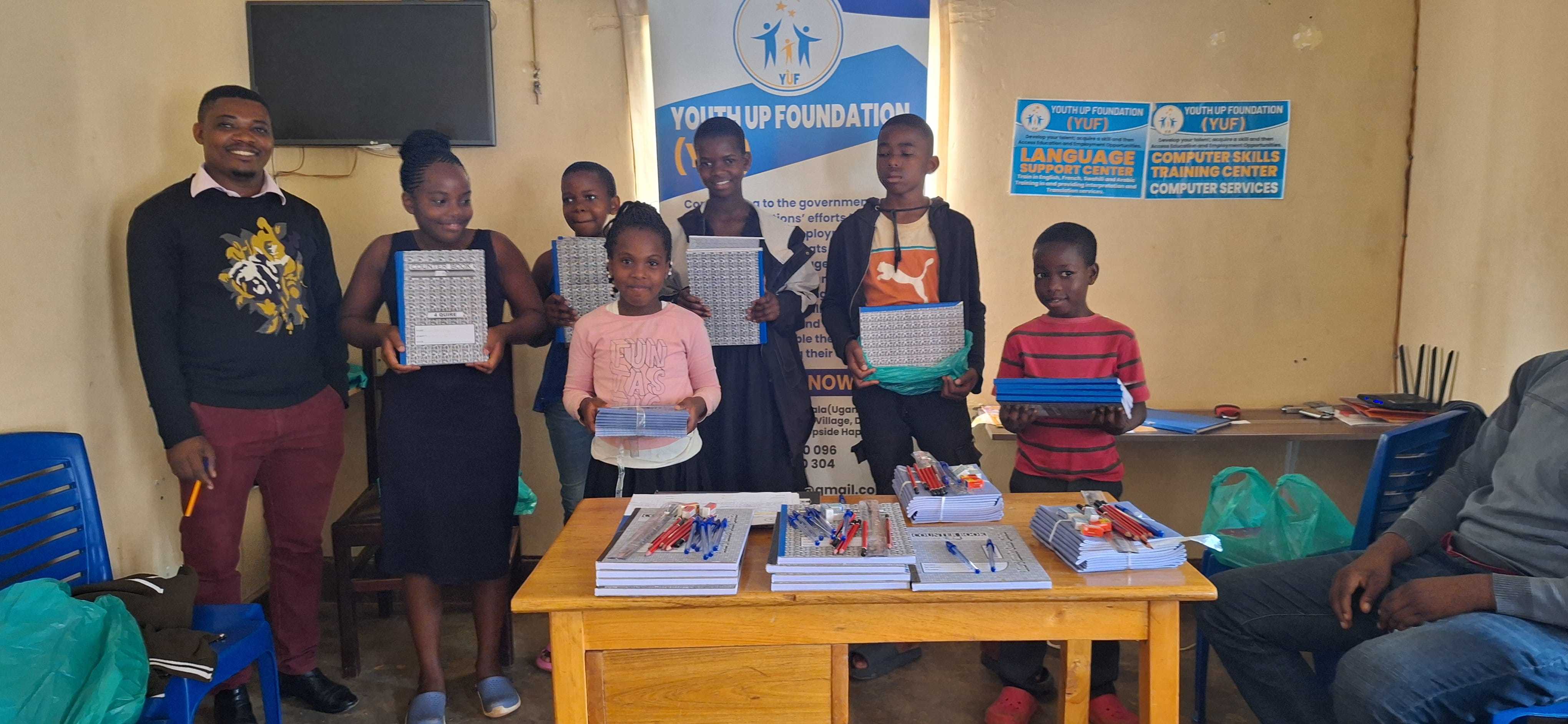


YUF recognizes education as a powerful foundation for protection, empowerment, and long-term development. Many refugee and host community children face barriers such as school fees, lack of scholastic materials, language challenges, and trauma related to displacement. Through its Educational Support Program, YUF addresses these challenges and promotes access to quality and inclusive learning opportunities. School Fees and Scholastic Materials Support YUF supports vulnerable refugee and host community children in nursery and primary schools by providing school fees assistance and essential learning materials such as books, pens, uniforms, and school supplies. This intervention significantly reduces school dropouts and improves attendance and academic performance. By easing the financial burden on families, YUF ensures that children remain in school and pursue their education with dignity.Now YUF has 58 children that are being supported in 2 primary schools i.e. Ndejje K primary school with 38 children and Yet Happy Kids with 20 children. Early Learning and Childcare Services In 2025, Youth Up Foundation (YUF) established an Early Childhood Development (ECD) initiative that includes childcare services for children aged 6 months to 3 years, alongside a broader ECD program currently under development. This initiative promotes early learning, cognitive development, and child protection, while creating a safe and nurturing environment for young children. The program also plays a critical role in empowering parents—especially women—by enabling them to participate in livelihood activities and vocational training. Previously, many women in the community struggled to balance childcare responsibilities with income-generating activities, increasing their economic vulnerability and exposure to domestic violence. With the introduction of YUF’s ECD and childcare services, parents can now safely leave their children in a secure and supportive environment while they engage in small businesses or attend training programs. This has not only improved household income opportunities but also strengthened child protection and family well-being, ensuring that children are cared for as their parents work toward a more stable future.